How is AI used by police to draft reports?
TL;DR
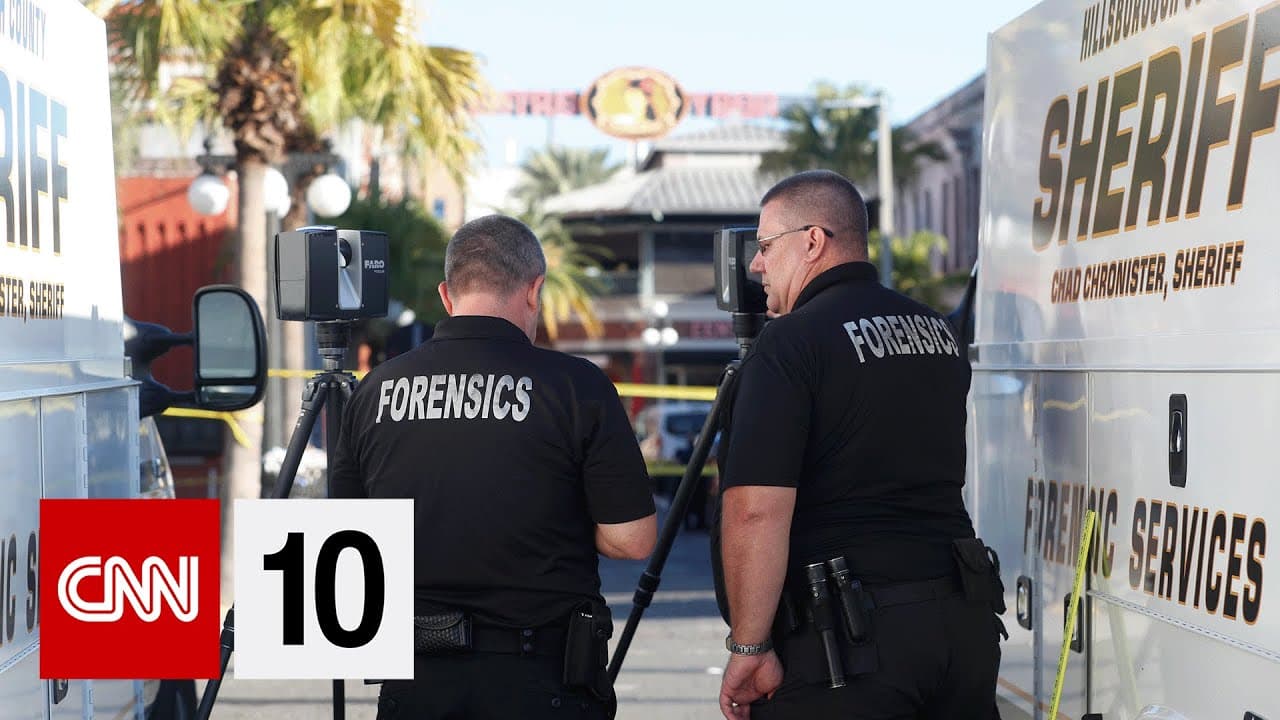
AI draft tools like Draft One convert police body camera transcripts into first draft reports to save time for officers. Safeguards exist to guide officers through prompts and ensure the report remains theirs, but experts warn about potential biases and errors. Some departments pilot the tech while discussions about transparency continue.
Transcript
Hello everyone, welcome to CNN 10. I'm Koi Wire here with your daily 10-minute rendevous with the news. It is your word Wednesday. One of you helped us write today's show. We saw some outstanding, commanding, and captivating submissions. We'll see who made it. You are halfway through the week. We're here to hopefully help you learn something new, l... Read More
Key Insights
- Draft One creates the first police report draft from a body camera transcript.
- Fill-in prompts are built to guide officers through the drafting process.
- Disclosures of AI involvement are optional in many departments but mandatory in Utah by law.
- Experts warn AI could encode biases or introduce errors if not carefully reviewed.
- AI aims to free officers for field work by reducing report-writing time.
- The police reports are critical documents in charging and judicial decisions.
- Public transparency around AI usage in reports is a growing concern.
- Pilot programs show safeguards but also highlight need for ongoing oversight.
- More videos from this channel:
- More from this channel: CNN 10
Install to Summarize YouTube Videos and Get Transcripts
Explore YouTube Video Summarizer or Get YouTube Transcript Extractor
Questions & Answers
Q: How does Draft One turn body cam audio into a police report?
Draft One takes the transcript from a police worn body camera and uses AI to generate the initial draft of a police report. The system is designed to speed up the administrative side of policing, allowing officers to spend more time in the field. The draft includes fill-in prompts to prompt review and correction.
Q: What safeguards are included to keepAI drafts accurate?
The AI draft includes bracketed prompts and fill-in-the-blank sections intended to encourage officers to read, add information, and correct errors. Officers are expected to verify the content and make the report their own, reducing the risk that the AI output becomes a final, unreviewed document.
Q: Why are legal experts concerned about AI drafted police reports?
Experts warn that biases could be encoded in AI models or that errors in the transcript could be reflected in the final report. Inaccurate statements in reports can affect prosecutions and judicial outcomes, so calls for transparency and careful oversight are common as AI becomes more integrated.
Q: What is the stance of the ACLU on AI drafted police reports?
The ACLU urges departments not to rely on AI to draft police reports due to concerns about potential biases and inaccuracies. They advocate for safeguards and human review to ensure that reports are accurate and fair, protecting due process and the integrity of the record.
Q: Are there legal requirements for disclosing AI involvement in reports?
In Utah, a law was passed requiring disclosure on reports created with AI, ensuring everyone understands when AI contributed to the drafting. This reflects a broader push for transparency in how AI is used in official records and the potential implications for accountability.
Q: Which department was highlighted as piloting AI drafting in the CNN piece?
Fort Collins, Colorado was highlighted as one of the departments piloting the AI drafting technology, using the system to generate initial reports from body camera transcripts and then reviewing them for accuracy and completeness before submission.
Q: How might AI drafting affect police workflow and staffing?
AI drafting is intended to reduce the time officers spend on report writing, freeing up more time for field work and potentially addressing hiring challenges by improving efficiency. However, it also adds a new layer of verification to ensure the AI output is accurate and reliable.
Q: What is a potential risk if officers do not closely review AI drafts?
If officers do not carefully review and modify AI drafts, incorrect information could become part of the official report. Such errors can lead to misinterpretation in investigations, wrongful charges, or other legal complications, underscoring the need for thorough human oversight.
Summary & Key Takeaways
-
AI tools turn police bodycam transcripts into initial reports, aiming to reduce writing time. The process includes fill-in prompts to keep accuracy and oversight, but prompts can be altered or removed before submission. This approach is being piloted by several departments to improve efficiency.
-
Concerns include potential biases and inaccuracies in AI drafts, prompting calls for disclosure and validation by officers. Experts stress the importance of human review to preserve the integrity of records used in prosecutions and court proceedings.
-
The technology is part of a broader trend of AI in law enforcement, with departments like Fort Collins piloting the system and lawmakers in Utah mandating AI disclosures in reports.
Read in Other Languages (beta)
Share This Summary 📚
Summarize YouTube Videos and Get Video Transcripts with 1-Click
Try YouTube Summary with ChatGPT & Claude or YouTube Transcript Generator
Explore More Summaries from CNN 10 📚



Summarize YouTube Videos and Get Video Transcripts with 1-Click
Try YouTube Summary with ChatGPT & Claude or YouTube Transcript Generator