How to fix a cold truck heater on the ice road puzzle
TL;DR
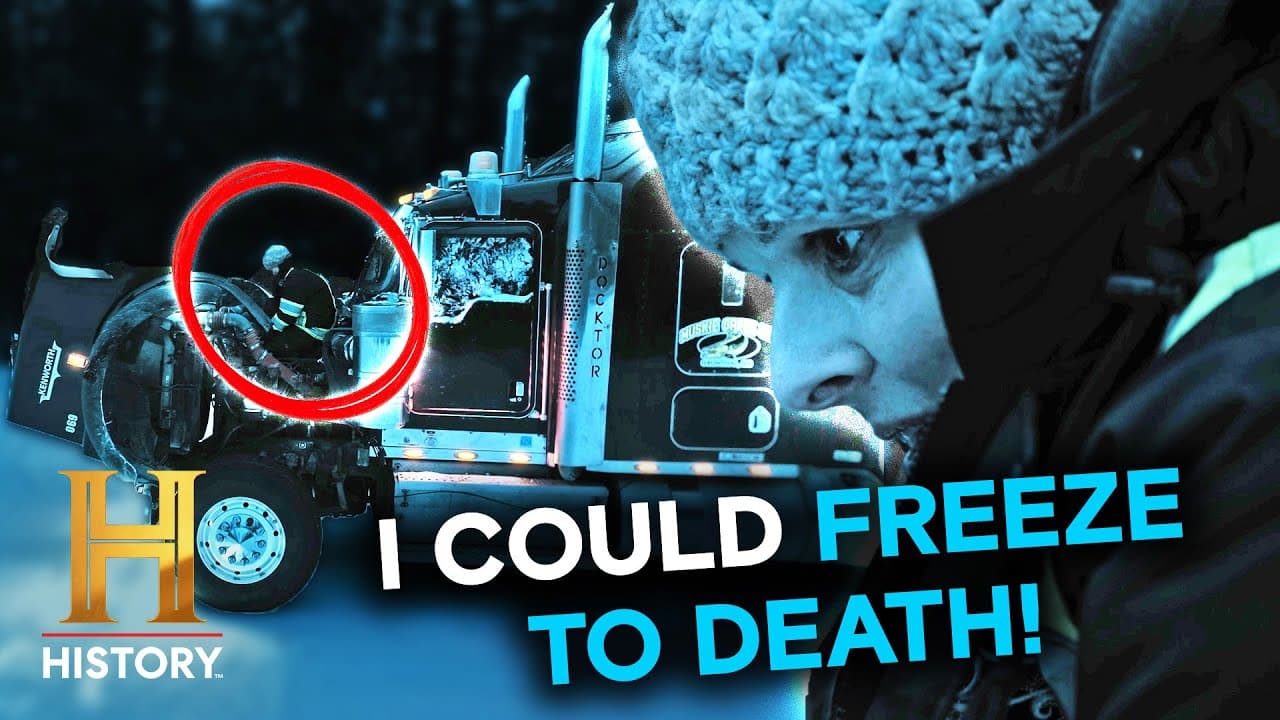
Lisa loses heat in a minus 40 situation and cannot fix the blower motor. She contacts Scooter and after attempts to troubleshoot, they determine a blown blower motor and decide it needs professional repair. With heat gone, she sleeps in the truck and eventually drives back to Muskie Creek to get the truck serviced.
Transcript
♪ narrator: After a cold night in Garden Hill... - Big old bump. ♪ narrator: Lisa's running 800 miles back to Muskie Creek. - ♪ Driving a truck narrator: And she's hauling more than machinery. - ♪ Driving a big old truck narrator: She's also carrying memories of an old job. - It's getting cold. ♪ I used to be a school bus driver. I need a Class... Read More
Key Insights
- The key problem is a non functioning heater in extremely cold temperatures on the ice road.
- Blower motor failure is identified as the likely root cause of the heating outage.
- Diagnostic steps include checking fuses and visually inspecting HVAC cab controls.
- In the cold, heat is essential for safety and survival and affects decisions on travel.
- Seeking help from another driver leads to a collaborative attempt to diagnose the issue.
- A jumper wire bypass is discussed but deemed unsafe and not a fix.
- Without heat, the driver must sleep in the cab and improvise warmth to endure.
- Professional repair is ultimately required to restore reliable heating and return the truck to service.
- More videos from this channel:
- More from this channel: HISTORY
Install to Summarize YouTube Videos and Get Transcripts
Explore YouTube Video Summarizer or Get YouTube Transcript Extractor
Questions & Answers
Q: How did Lisa determine that the blower motor might be the problem
Lisa inspected the HVAC cab control, considered a stuck blower motor, and checked for obvious fuse issues. When no obvious fuse problem was found and no wiring bypass appeared viable, she concluded the blower motor itself could be burned out. This assessment framed the next steps toward professional repair.
Q: What is the immediate danger of driving without heat in minus 40
Without heat, Lisa describes the risk as serious and life threatening, with the possibility of frostbite or hypothermia. The cold drives a survival mode, complicates decision making, and makes it hard to sleep or work. Heat failure directly threatens safety and the ability to complete the trip.
Q: What help did Lisa seek when heat failed
Lisa called Scooter from Muskie Creek to meet and inspect the heater area. They planned to meet at a pullout area near Red Sucker Lake to assess the problem together. The collaboration illustrates how drivers rely on fellow truckers for urgent help in remote regions.
Q: What was Scooter's initial assessment about bypassing the blower
Scooter suggested attempting a jumper wire to see if the heater would work, but both parties rejected the idea as unsafe. The exchange shows that improvisation is risky, and bypassing critical components in a vehicle heater can lead to dangerous outcomes.
Q: What did Lisa do when options ran out
With no effective fix, Lisa resorted to using engine heat to stay warm and as a temporary measure. She acknowledges the limitation of engine heat and the lack of other heat sources, highlighting a critical moment where survival takes precedence over completing the trip.
Q: What happened after Lisa reached Muskie Creek
Lisa made it back to Muskie Creek and planned to have the truck sit in a shop for repairs. The arrival marks the end of the immediate crisis on the road and sets the stage for professional service to restore heating and continue operations.
Q: How do ice road truckers view heat as part of the job
The narrative emphasizes that heat is not just comfort but a lifeline supporting safety, sleep, work, and community service. Losing heat complicates delivering essential cargo and maintaining warm, livable conditions in extreme environments.
Q: What does the scene reveal about the role of heat in survival
Heat is presented as essential for staying alive, making sense of the terrain, and keeping the truck functional as a lifeline. The absence of heat forces individuals to improvise, rely on others, and reassess their ability to continue the journey until proper repairs are completed.
Summary & Key Takeaways
-
Lisa battles extreme cold when her truck heater fails, realizing heat is essential for survival on the ice road. She attempts to diagnose by checking fuses and considering the blower motor. The failed heat source highlights the harsh conditions drivers endure in remote communities.
-
A diagnosis with Scooter leads to the conclusion that the blower motor is likely the problem and not a simple fix. They realize replacements are needed and plan to meet again to assess the situation further. The scene emphasizes the vulnerability of drivers without heat.
-
Lisa returns to Muskie Creek to seek professional service for the heater, underscoring the truck as both livelihood and shelter. The episode frames heat as critical for safety, survival, and the ability to continue delivering essential cargo to remote areas.
Read in Other Languages (beta)
Share This Summary 📚
Summarize YouTube Videos and Get Video Transcripts with 1-Click
Try YouTube Summary with ChatGPT & Claude or YouTube Transcript Generator
Explore More Summaries from HISTORY 📚






Summarize YouTube Videos and Get Video Transcripts with 1-Click
Try YouTube Summary with ChatGPT & Claude or YouTube Transcript Generator