How to build an earth shelter hut with clay insulation
TL;DR
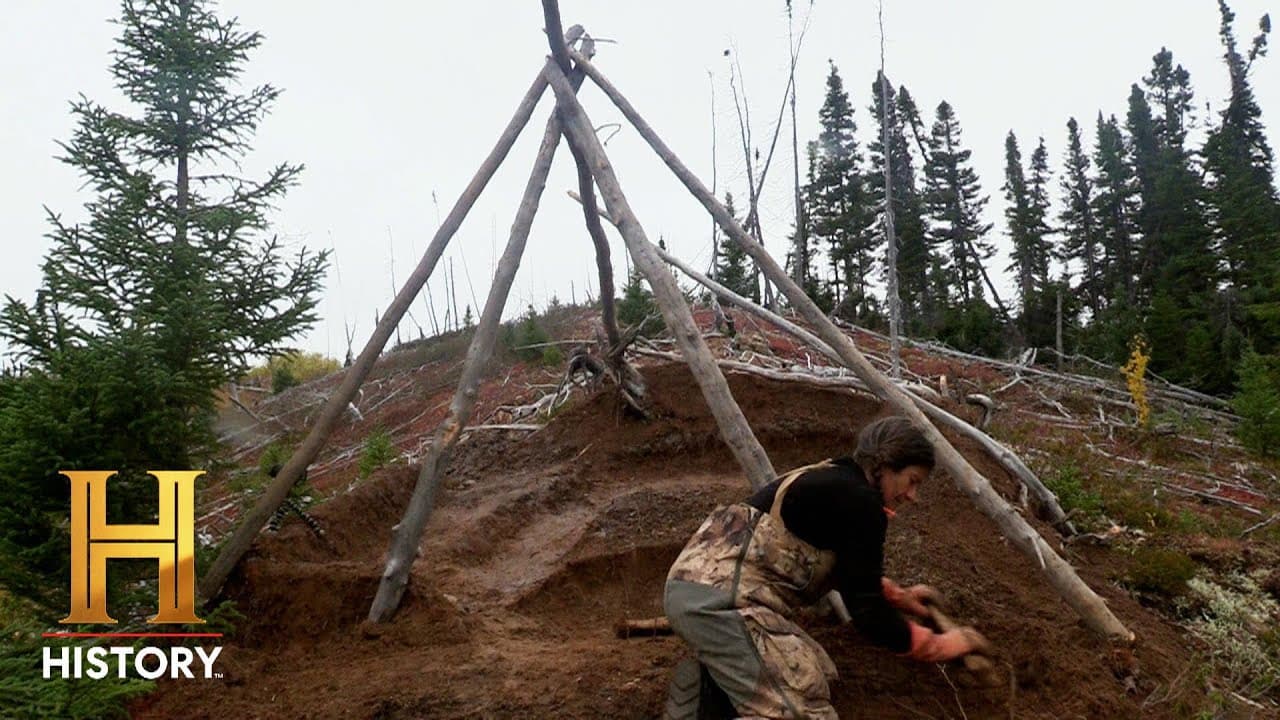
An adobe earth shelter can be insulated with thick clay walls and a sod roof to keep heat in during cold storms. The shelter is built with rafters, tarps, moss, and a mud floor, then reinforced with a clay wall and a moss insulated door. It shows step by step how to thicken insulation and seal gaps for warmth.
Transcript
[dramatic music] ♪ ♪ - So noticed the other day that this hillside here is actually a big, huge mound of clay. My thought is, I can make an earth home here. So ideally, I'll be able to just pound this into the ground and dig out lots of soil. ♪ ♪ The shelter I want to make, it's going to be highly insulated... ♪ ♪ And it's going to be small enough... Read More
Key Insights
- Earth sheltering uses a hillside as a natural clay source, enabling thick insulating walls that reduce heat loss.
- The design relies on a round roof created by interlocking rafters and a tarp to form a cohesive, wind resistant enclosure.
- Sod and moss are used strategically on the roof and walls to minimize heat escape and maintain dry interior conditions.
- Insulation is enhanced by a clay wall that retains heat and a tightly packed moss door to block drafts.
- A retaining wall and debris fill stabilize the structure and create a compact interior footprint.
- The shelter aims to be small and heatable, prioritizing dryness and warmth during storms.
- Construction involves layering materials such as pine rack walls and clay, creating an insulated, cushiony interior surface.
- The build is tested by real weather, including hailing and freezing rain, to ensure performance under harsh conditions.
- More videos from this channel:
- More from this channel: HISTORY
Install to Summarize YouTube Videos and Get Transcripts
Explore YouTube Video Summarizer or Get YouTube Transcript Extractor
Questions & Answers
Q: A real search query question about the video (e.g. 'How to...', 'What is...', 'Why does...', 'When should...'). Question 1
How do you start building an earth shelter hut with clay insulation and what are the first steps? The process begins by selecting a clay rich hillside and planning a round roof with rafters. Then a tarp is laid over the frame to form a cover, followed by compacting clay and using moss to seal gaps. This creates initial warmth retention.
Q: Question 2
What materials are used to insulate and waterproof the adobe hut in this build? The builder uses clay from the hillside, a tarp for the roof, sod for roof panels, and moss to fill and seal gaps. A moss packed door provides insulation, and a clay wall helps retain heat inside the shelter.
Q: Question 3
Why is a sod roof chosen for heat retention and weather protection in this shelter? The sod roof adds natural insulation and helps keep moisture out while blending with the earth. It works with the tarp and clay walls to minimize heat loss and maintain dryness during snow and wind.
Q: Question 4
How is structural stability achieved in the earth shelter hut during construction? The builder creates a retaining wall of sticks and debris, uses X shaped braces to lock rafters in place, and ensures the roof ridge is round for even tarp coverage. These steps prevent movement and improve stability in storms.
Q: Question 5
What role does moss play in the door and walls of the shelter? Moss is packed into the doorframe to reduce drafts and add insulation. It also lines the wall areas to cushion against hard impacts and help seal gaps, contributing to a warmer interior environment.
Q: Question 6
What challenges are faced during the build and how are they addressed? The main challenges include cold weather and ongoing wind, so the builder patches walls with more sticks and moss, and tightens tarps. They continuously adjust to maintain heat retention and dryness inside the shelter.
Q: Question 7
How does the builder ensure the interior remains dry and warm when storms hit? By thickening clay walls, using a sod roof, and sealing with moss, the interior is protected from wind and moisture. The insulated door further reduces heat loss, keeping the sleeping area warm during precipitation.
Q: Question 8
What is the overall goal of this earth shelter project in a survival context? The aim is to create a compact, highly insulated shelter that can be heated easily, stay dry, and withstand harsh weather while isolated from camera crews, allowing sustainable living in a remote environment.
Summary & Key Takeaways
-
A person plans and begins building an earth shelter hut using clay, sod, and moss for insulation to stay dry and warm in a harsh environment.
-
The process includes setting up a round roof with connected rafters, a tarp cover, and a sod roof, then adding a retaining wall and a moss packed door for insulation.
-
The final stages focus on sealing walls and creating a heavy, insulated door to withstand a storm while living inside the shelter.
Read in Other Languages (beta)
Share This Summary 📚
Summarize YouTube Videos and Get Video Transcripts with 1-Click
Try YouTube Summary with ChatGPT & Claude or YouTube Transcript Generator
Explore More Summaries from HISTORY 📚


Summarize YouTube Videos and Get Video Transcripts with 1-Click
Try YouTube Summary with ChatGPT & Claude or YouTube Transcript Generator