How Johnson Shaped Reconstruction After Lincoln
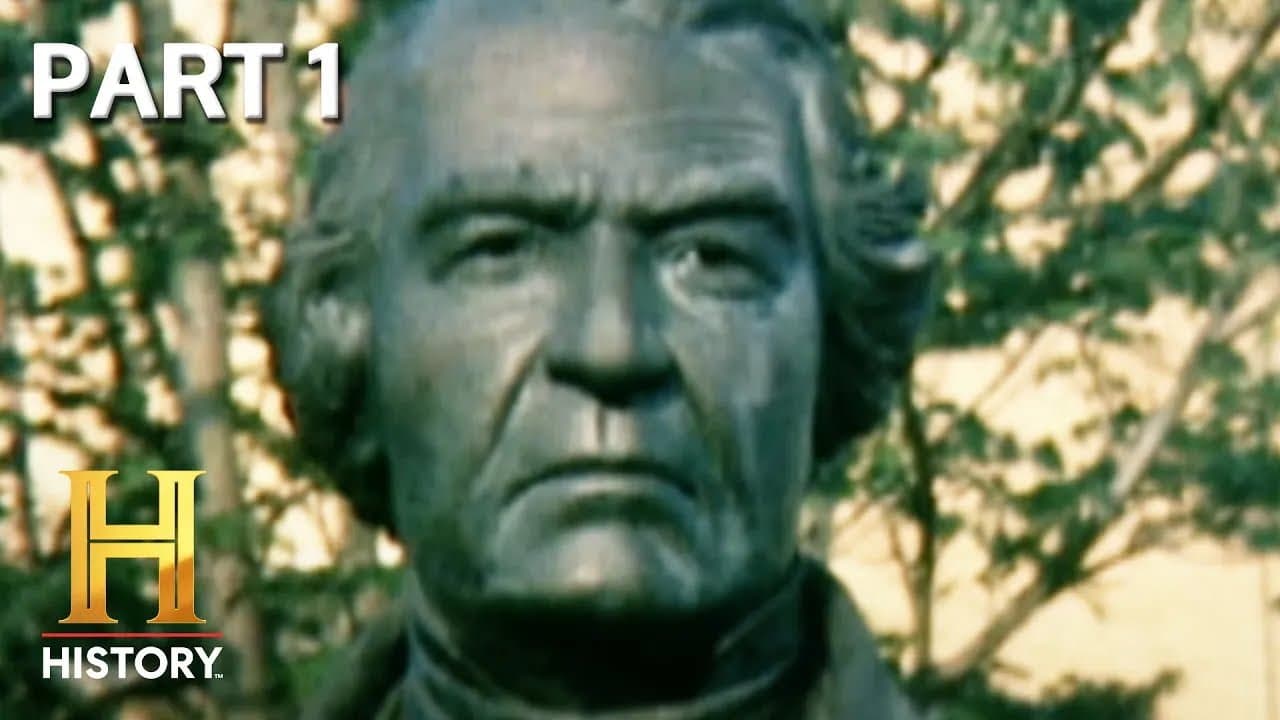
TL;DR
Johnson pursued a lenient restoration plan that favored former Confederates and limited protections for freed slaves, triggering clashes with Congress. His vetoes and the Tenure of Office Act prompted impeachment, and Congress ultimately asserted control over Reconstruction policy, reshaping the executive role during this period.
Transcript
APRIL 14th, 1865 IS REMEMBERED AS THE NIGHT OF ABRAHAM LINCOLN'S ASSASSINATION. BUT IN WASHINGTON, IT WAS AN EVENING OF GENERAL TREACHERY. THERE WERE EVIL MEN ABOUT. LINCOLN WAS SHOT. SECRETARY OF STATE WILLIAM SEWARD WAS STABBED. GENERAL ULYSSES S. GRANT WAS TARGETED BUT WAS FORTUNATELY OUT OF TOWN. VICE PRESIDENT ANDREW JOHNSON WAS ON THE HIT ... Read More
Key Insights
- Johnson favored a presidential Reconstruction that pardoned most former Confederates and avoided harsh punishment, reshaping early postwar policies.
- The key to Johnson’s approach was aligning with a vision of a restored Union that emphasized leniency and executive initiative over radical reform for freed slaves.
- Congress responded by expanding civil rights protections, overriding multiple presidential vetoes, and imposing checks on presidential power with new statutes during Reconstruction.
- The Tenure of Office Act acted as a political trap to limit presidential removal power, becoming a fuse that ignited Johnson’s impeachment struggle.
- Johnson’s stance and personality—stubborn, self-focused, and wary of opposition—drove his reliance on warnings of conspiracies and his mistrust of critics.
- Impeachment arose not from criminal conduct alone but from a constitutional clash over who controls Reconstruction policy and the pace of national healing.
- The impeachment trial turned into a national spectacle that demonstrated Congress’s willingness to override executive authority when policy diverged.
- Johnson’s presidency is portrayed as a turning point that weakened the office and empowered Congress to set broad national policy during the Reconstruction era.
- More videos from this channel:
- More from this channel: HISTORY
Install to Summarize YouTube Videos and Get Transcripts
Explore YouTube Video Summarizer or Get YouTube Transcript Extractor
Questions & Answers
Q: How did Andrew Johnson's background influence his Reconstruction policies
Johnson rose from poverty and became a tailor, a self-made newcomer who valued the common white man and believed in limited federal intervention in state matters. His background informed a policy preference for quick restoration of the Union with broad amnesty for former Confederates and minimal protections for freed slaves. This approach reflected his distrust of centralized power and his belief that loyalty and self-reliance should guide postwar governance. The result was a reconstruction framework that prioritized restoring political unity over expansive civil rights protections, setting the stage for later conflicts with Congress.
Q: Why did Johnson veto the Civil Rights legislation and Freedmen’s Bureau extension
Johnson vetoed civil rights measures and the Freedmen’s Bureau extension because he argued for leniency toward the defeated South and opposed federal guarantees that expanded citizenship and voting rights for freed people. He believed that restoring the Union should not entail sweeping federal interventions into state governance or new rights for freed slaves that he thought states should decide. His vetoes underscored a fundamental political split about how to define citizenship, rights, and power after the war and revealed his preference for a lighter federal touch in Reconstruction.
Q: What was the Tenure of Office Act and how did it affect Johnson
The Tenure of Office Act limited the president's ability to remove executive appointees without Senate approval, a constitutional constraint aimed at protecting cabinet members loyal to Lincoln’s legacy. Johnson’s suspension and dismissal of a holdover secretary of war violated this act, providing radical Republicans with a constitutional pretext to impeach him. The act became central to the impeachment process as it framed Johnson’s actions as an abuse of executive power and demonstrated the deep-seated tensions between the presidency and Congress during Reconstruction.
Q: How did Congress respond to Johnson's Reconstruction plan
Congress responded by passing a series of Reconstruction acts that extended federal assistance to freed people, expanded civil rights, and redefined the terms for readmitting Southern states into the Union. They vetoed Johnson’s proposals, and over time, Congress used overrides to shape policy, effectively controlling the pace and scope of Reconstruction. This shift established a precedent that Congress would define major national policies in the wake of civil war, diminishing presidential influence in critical policy areas.
Q: What role did impeachment play in this period
Impeachment served as a constitutional mechanism to challenge Johnson's leadership when it appeared that his approach threatened congressional authority over Reconstruction policy. Although he was ultimately not removed, the impeachment process shifted power dynamics, signaling that Congress could exert significant influence over national policy. The trial highlighted the intense political friction surrounding Reconstruction and the struggle to determine who would set the postwar agenda.
Q: How did Johnson's relationship with Radical Republicans shape policy
Radical Republicans pressured Johnson to implement stringent reforms to protect freed people and redefine citizenship. Johnson resisted, pursuing a policy of leniency toward the defeated South. This antagonistic relationship led to a stalemate in which Congress enacted policies over his vetoes, gradually eroding presidential authority and empowering Congress to direct national policy. The clash defined a period where legislative branch leadership became more influential in Reconstruction decisions.
Q: What was the long-term impact on the presidency
The long-term impact was a weakened presidential authority in the wake of a highly partisan Reconstruction. The confrontation with Congress set a precedent for legislative supremacy in setting national policy, especially regarding civil rights and federal intervention in state matters. This era demonstrated that congressional power could eclipse presidential leadership when fundamental constitutional and policy disputes arose from postwar governance.
Q: How is Johnson portrayed in this documentary segment
The documentary presents Johnson as a stubborn, self-directed figure who pursued a lenient Reconstruction strategy that contrasted with Radical Republicans. It highlights his vetoes, impeachment, and the perception that his leadership undermined an assertive federal effort to protect newly freed slaves. The portrayal emphasizes the enduring impact of his decisions on the balance of power between the presidency and Congress during Reconstruction.
Summary & Key Takeaways
-
Johnson faced a tough reconstruction task after Lincoln’s assassination, choosing a path that prioritized quick restoration over expansive civil rights. This approach set up ongoing conflicts with Congress, defining the balance of power for decades. The Presidency was shaped by his confrontations with radical Republicans and the veto power that followed.
-
Congress responded with extensive Reconstruction legislation and overrides of Johnson’s vetoes, advancing protections for freed people and reasserting legislative authority. The Tenure of Office Act and the impeachment struggle highlighted a transformed political dynamic in Washington.
-
The episode frames Johnson as a controversial leader whose policies reflected a broader national debate over how to redefine citizenship and rights in the postwar United States, marking a pivotal shift in the relationship between the presidency and Congress.
Read in Other Languages (beta)
Share This Summary 📚
Summarize YouTube Videos and Get Video Transcripts with 1-Click
Try YouTube Summary with ChatGPT & Claude or YouTube Transcript Generator
Explore More Summaries from HISTORY 📚






Summarize YouTube Videos and Get Video Transcripts with 1-Click
Try YouTube Summary with ChatGPT & Claude or YouTube Transcript Generator