How Does Trump's Immunity Affect Legal Cases?
TL;DR
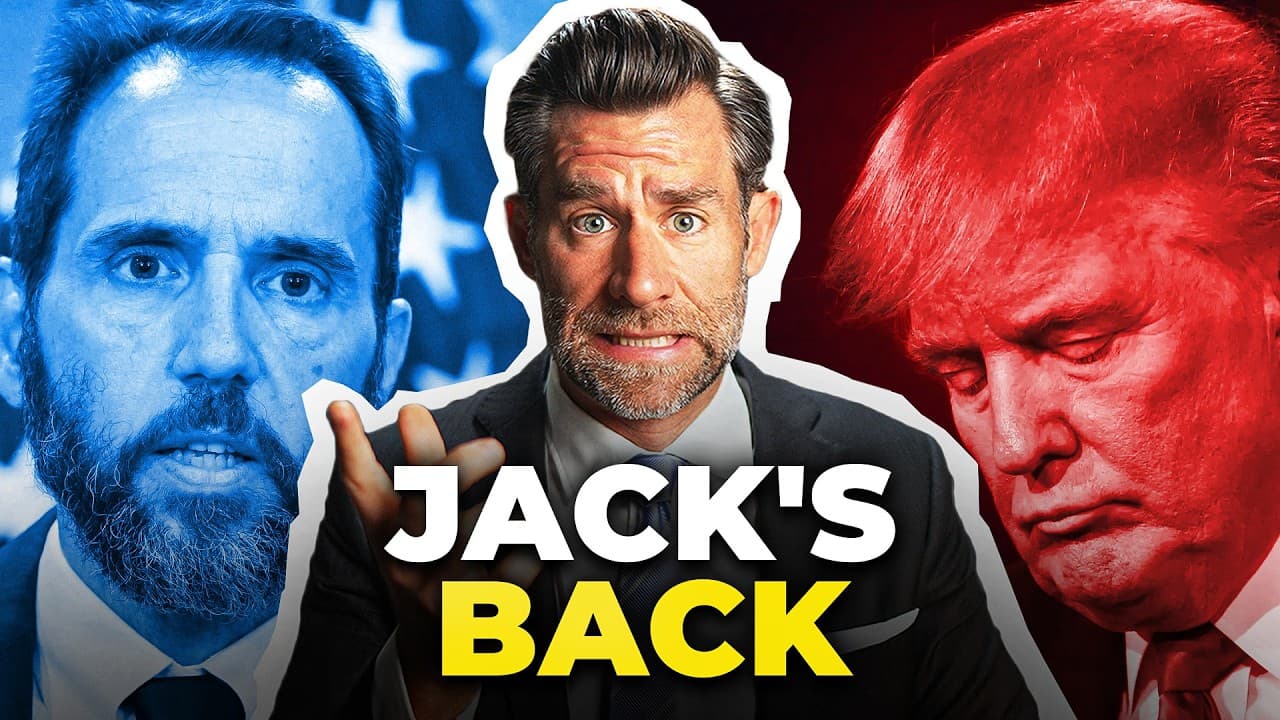
Special Counsel Jack Smith is aggressively pursuing legal action against Donald Trump, challenging the notion of presidential immunity. Despite a Supreme Court ruling that could shield Trump, Smith is adapting his strategy to comply with new legal precedents and continue prosecution efforts. The outcome of these cases could significantly impact future presidential conduct and legal accountability.
Transcript
- Remember when we explained that the Supreme Court made presidents theoretically immune from basically any criminal prosecution? Well, apparently, Jack Smith didn't get the memo because he's moving full steam ahead in D.C. in Florida. He's giving the middle finger to Judge Cannon and filing a very interesting superseding indictment in D.C. He's pl... Read More
Key Insights
- Jack Smith is actively pursuing legal actions against Trump despite Supreme Court immunity rulings.
- The Supreme Court ruled that presidents might be immune from prosecution for official acts.
- Judge Cannon dismissed a case against Trump, citing the appointments clause, which Smith is appealing.
- Smith's filings are a strategic roadmap for prosecuting Trump if he loses the 2024 election.
- The 11th Circuit Court is expected to hear oral arguments on Smith's appeal in late 2024.
- Trump's legal team is using delay tactics, hoping to push trials past the 2024 election.
- The Supreme Court's ruling creates a presumption of immunity for presidential actions.
- The outcome of these cases will set important precedents for presidential legal accountability.
Install to Summarize YouTube Videos and Get Transcripts
Explore YouTube Video Summarizer or Get YouTube Transcript Extractor
Questions & Answers
Q: How is Jack Smith pursuing legal action against Trump despite immunity claims?
Jack Smith is challenging the notion of presidential immunity by filing a superseding indictment against Trump. He is adapting his legal strategy to comply with the Supreme Court's ruling on immunity, which suggests presidents may be shielded from prosecution for official acts. Smith's approach involves navigating complex legal arguments and aiming to establish accountability for presidential actions.
Q: What was Judge Cannon's reasoning for dismissing the case against Trump?
Judge Cannon dismissed the case against Trump by citing the appointments clause of the Constitution. She argued that the appointment of Special Counsel Jack Smith was unconstitutional because it lacked Senate approval. Smith is appealing this decision, contending that the Attorney General has the authority to appoint special counsels without Senate confirmation, a practice supported by historical precedents.
Q: What impact does the Supreme Court's ruling have on presidential immunity?
The Supreme Court's ruling suggests that presidents may be immune from prosecution for actions taken in their official capacity. This ruling creates a presumption of immunity, protecting presidents from legal consequences for certain official acts. However, the ruling has sparked debate about the limits of this immunity and its implications for presidential accountability in legal matters.
Q: How might the outcome of these cases affect future presidential conduct?
The outcome of these legal cases could significantly impact future presidential conduct by clarifying the extent of immunity from prosecution for official acts. If the courts uphold the notion of broad immunity, it may embolden presidents to act without fear of legal consequences. Conversely, if the courts limit immunity, it could establish a precedent for holding presidents accountable for their actions, potentially influencing their behavior while in office.
Q: What are the implications of Trump's delay tactics in these legal proceedings?
Trump's legal team is employing delay tactics to push the proceedings beyond the 2024 election, hoping for a favorable political outcome. These tactics involve filing motions and appealing decisions to extend the timeline. The delay could impact the momentum of the cases and potentially influence public perception and political dynamics surrounding the legal challenges against Trump.
Q: How does the Supreme Court's ruling affect the legal strategy of Special Counsel Jack Smith?
The Supreme Court's ruling on presidential immunity requires Jack Smith to adapt his legal strategy to align with the new legal framework. Smith is focusing on rebutting the presumption of immunity by emphasizing actions that fall outside the scope of official presidential duties. His strategy involves presenting evidence and legal arguments to challenge the notion that Trump's actions were protected by immunity.
Q: What role does the 11th Circuit Court play in the ongoing legal proceedings against Trump?
The 11th Circuit Court is expected to hear oral arguments on Jack Smith's appeal against Judge Cannon's dismissal of the case. The court's decision will be crucial in determining whether the case against Trump can proceed. The 11th Circuit's ruling could set a precedent for the interpretation of the appointments clause and the authority of special counsels, impacting the broader legal landscape surrounding presidential prosecutions.
Q: What are the potential consequences of the legal proceedings for Trump's political future?
The legal proceedings against Trump could have significant consequences for his political future. If the courts rule against him, it may hinder his ability to run for office or influence political outcomes. Conversely, if Trump prevails, it could bolster his position and reinforce his claims of immunity from prosecution. The proceedings are closely watched, as they may shape public perception and influence the political landscape leading up to the 2024 election.
Summary & Key Takeaways
-
Special Counsel Jack Smith is challenging the idea of presidential immunity by pursuing legal action against Donald Trump. Despite the Supreme Court's ruling that could shield Trump from prosecution for official acts, Smith has filed a superseding indictment, adapting his strategy to align with the new legal landscape. These cases are pivotal in determining the extent of presidential immunity and accountability.
-
The legal proceedings against Trump involve complex arguments about the role of special counsels and the limits of presidential immunity. Judge Cannon dismissed a case against Trump, citing constitutional issues, which Smith is appealing. The 11th Circuit Court is expected to hear arguments in late 2024, while Trump employs delay tactics to extend proceedings beyond the 2024 election.
-
The Supreme Court's ruling on presidential immunity has significant implications for Trump's legal battles. While the ruling suggests presidents are immune from prosecution for official acts, Smith is working to challenge this presumption. The outcome of these cases could redefine the legal framework for holding presidents accountable for their actions while in office.
Read in Other Languages (beta)
Share This Summary 📚
Summarize YouTube Videos and Get Video Transcripts with 1-Click
Try YouTube Summary with ChatGPT & Claude or YouTube Transcript Generator
Explore More Summaries from LegalEagle 📚

Summarize YouTube Videos and Get Video Transcripts with 1-Click
Try YouTube Summary with ChatGPT & Claude or YouTube Transcript Generator