How to embrace sensitivity as a highly sensitive person
TL;DR
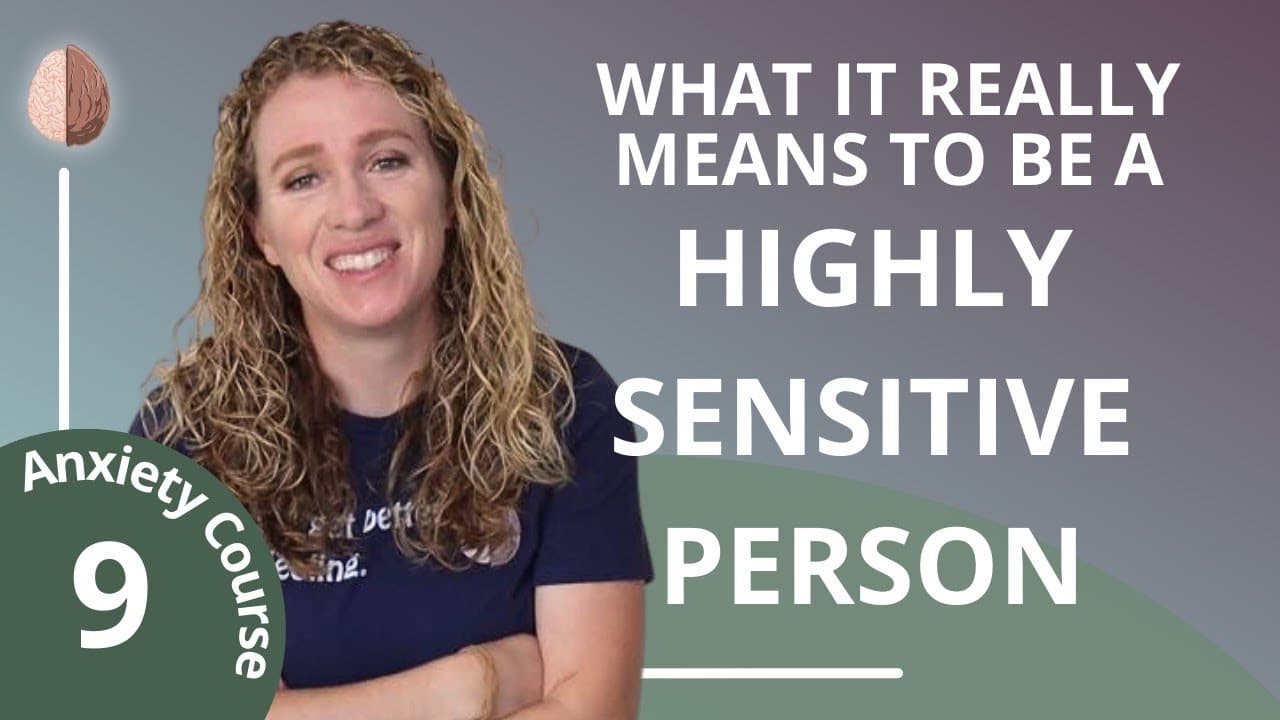
Let go of cultural shame around being sensitive. Being an HSP means your nervous system processes information more deeply and intensely, which is a strength. You have four gifts: emotional sensitivity, sensory sensitivity, depth of processing, and intuition; use them to connect, solve problems, and help others.
Transcript
The moment I started to see my own sensitivity as a gift, not a flaw, my world changed. Now, you may have anxiety and not be an HSP, but many people with anxiety are. You've probably been told you're too sensitive. I have been. I've been shamed for crying in class as a kid about all those dumb books where dogs die. I've been shamed for taking t... Read More
Key Insights
- Sensitivity is a natural trait where the nervous system processes information more deeply and intensely than average.
- Emotional sensitivity makes HSPs highly empathetic and attuned to others emotions and needs.
- Sensory sensitivity leads to heightened responses to lights, noises, and smells and can cause overwhelm in crowded environments.
- Depth of processing enables thorough reflection on experiences and can lead to unique problem solving approaches.
- Intuition helps HSPs pick up subtle cues and make informed decisions while maintaining a strong sense of ethics.
- Cultural shame around sensitivity is a learned message that can be unlearned to reclaim strength.
- Societal balance benefits from both sensitive and extroverted traits, with sensitivity complementing leadership and care.
- Four gifts of HSPs can be leveraged in creative, therapeutic, and collaborative settings.
Install to Summarize YouTube Videos and Get Transcripts
Explore YouTube Video Summarizer or Get YouTube Transcript Extractor
Questions & Answers
Q: How can I stop feeling ashamed for being sensitive
Shame around sensitivity is described as a cultural message that can be unlearned by reframing sensitivity as a gift rather than a weakness. The approach emphasizes recognizing that the nervous system processes information more deeply and intensely, which allows you to empathize, notice details, and create meaningful impact. Embracing this perspective can reduce self judgment and increase self acceptance.
Q: What are the four gifts of being highly sensitive
The video identifies four gifts: emotional sensitivity, which includes intense emotions and empathy; sensory sensitivity, which heightens awareness of sensory input and can aid noticing details and dangers; depth of processing, which enables thorough reflection and novel problem solving; and intuition, which helps read subtle cues, guide ethical decisions, and understand others quickly.
Q: Why is sensitivity considered a strength in society
Sensitivity is presented as vital for healing, empathy, and thoughtful decision making. The speaker notes society needs healers, dreamers, observers, and thinkers who are sensitive to feelings, as well as other roles. When balanced with other traits, sensitivity helps protect, support, and guide communities, making it a strength rather than a disability.
Q: How does emotional sensitivity affect relationships
Emotional sensitivity allows for deep empathy and clear perception of others feelings, enabling supportive responses and conflict management. It helps in building connection and trust, though it can be challenging if overwhelmed. The framework suggests using this sensitivity to positively influence personal relationships and professional interactions.
Q: What is depth of processing for an HSP
Depth of processing refers to thinking through experiences thoroughly and over extended periods. This trait yields rich inner reflections and can lead to unique solutions to problems. It also benefits personal growth and therapeutic work, as it supports deeper understanding of emotions and situations.
Q: Can sensitivity coexist with leadership roles
Yes, sensitivity can complement leadership by enhancing empathy, ethical judgment, and attentiveness to team dynamics. The video positions sensitive individuals as valuable for guiding teams, planning, and ensuring others feel heard. The coexistence of sensitivity with leadership requires self care to prevent burnout.
Q: How can HSPs manage overstimulation
HSPs may need extra time to rest and recharge due to heightened sensory input. Strategies include recognizing when to pause, creating quiet environments, setting boundaries, and leveraging the four gifts to work effectively when rested. The aim is to maintain productivity while protecting mental and emotional well being.
Q: What practice does the video suggest to connect with your sensitivity
The video suggests writing a letter to your sensitivity or anxiety as part of a reflective practice from the course material. This exercise helps validate feelings, reduce self judgment, and articulate how sensitivity has been used for good. It enables a constructive dialogue with yourself.
Summary & Key Takeaways
-
Let go of shame and view sensitivity as a gift rather than a flaw, recognizing that it is a natural trait you are born with.
-
Emotional, sensory, deep processing, and intuitive abilities give HSPs unique strengths in empathy, attention to detail, problem solving, and ethical guidance.
-
With practice, HSPs can use their sensitivities to contribute meaningfully to society while managing rest and recharge needs.
Read in Other Languages (beta)
Share This Summary 📚
Summarize YouTube Videos and Get Video Transcripts with 1-Click
Try YouTube Summary with ChatGPT & Claude or YouTube Transcript Generator
Explore More Summaries from Therapy in a Nutshell 📚



Summarize YouTube Videos and Get Video Transcripts with 1-Click
Try YouTube Summary with ChatGPT & Claude or YouTube Transcript Generator