The Political Depravity of Unjust Pardons
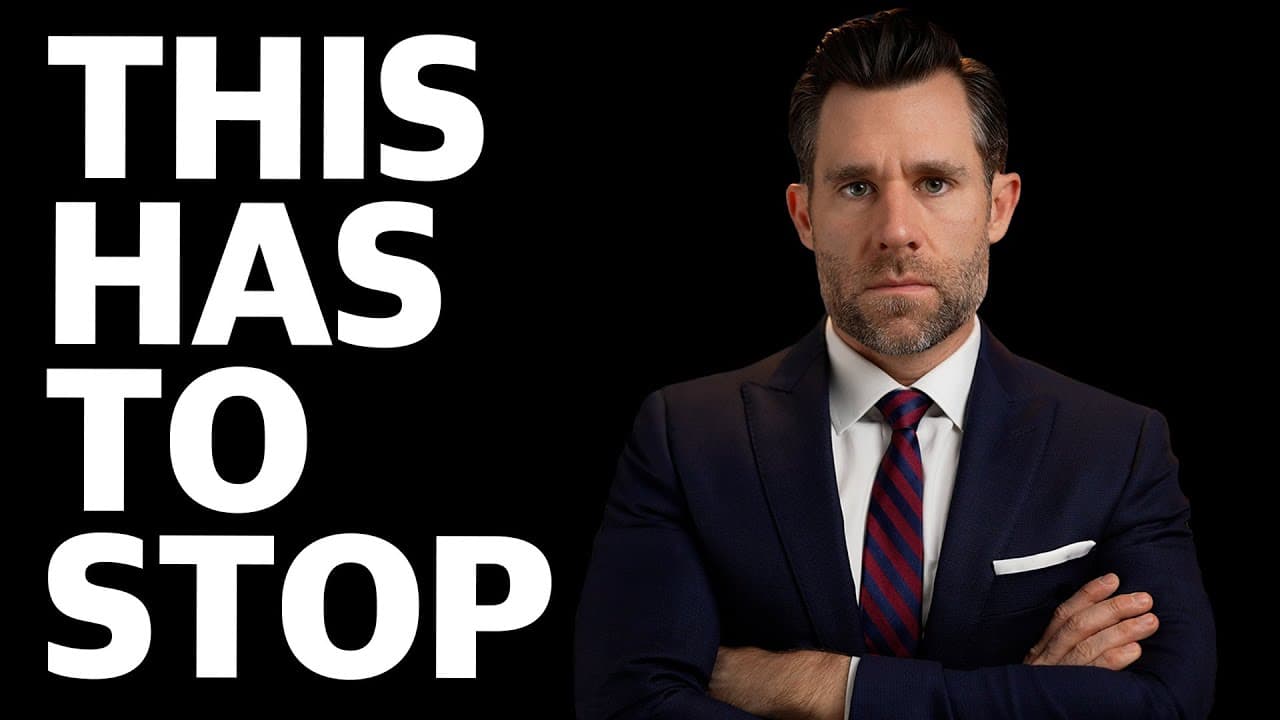
TL;DR
The pardons are portrayed as unjust because they benefited convicted political allies and people whose alleged criminality advanced President Trump’s interests, potentially weakening the justice system. The speaker cites Paul Manafort, Roger Stone, George Papadopoulos, Chris Collins, and Duncan Hunter, while warning that pardon power could shield presidential associates and incentivize misconduct. Read on for the specific cases, risks, exceptions, and proposed scrutiny discussed.
Transcript
- I actually don't know where to start. I'm just, I'm so furious. And I'm so sad for our country. That they claim to be the party of law and order. The hypocrisy makes it feel like ash in my mouth to even say it. Because there's no depth, no illegality to which the president will not stoop. It's astounding. The president has completed what appears ... Read More
Key Insights
- ❓ President Trump's pardons include individuals convicted of serious crimes like murder and corruption.
- ✊ The pardons threaten the integrity of the justice system and pose a risk of abuse of power.
- 📫 Lack of accountability and the potential for future pardons for close associates raise further concerns.
- 🤙 Calls for investigations and potential limits on the pardon power are essential to uphold the rule of law and prevent further abuse.
- 🪡 The unprecedented nature of these pardons highlights the need for checks and balances in the presidential pardon system.
- 🍽️ Concerns about potential future pardons for Trump's inner circle add to the urgency of addressing this issue.
- 🍝 Past precedents of presidential pardons, like the Marc Rich case, are being overshadowed by the gravity of these recent pardons.
Install to Summarize YouTube Videos and Get Transcripts
Explore YouTube Video Summarizer or Get YouTube Transcript Extractor
Questions & Answers
Q: Why does the speaker consider President Trump’s pardons unjust?
The speaker argues that the pardons protected political allies and people whose criminality benefited President Trump or his campaign. He presents this as corruption rather than an ordinary partisan disagreement and says it threatens the rule of law.
Q: Who received the pardons criticized in the discussion?
The speaker names Paul Manafort, Roger Stone, George Papadopoulos, Chris Collins, and Duncan Hunter. He also refers to war criminals responsible for killing innocent Iraqi citizens, including women and children.
Q: What crimes are associated with Chris Collins and Duncan Hunter?
The transcript says Chris Collins and Duncan Hunter were convicted and were about to serve extensive prison sentences. It associates their cases with insider trading and embezzling campaign funds, including spending campaign money on extramarital affairs.
Q: Why is Paul Manafort singled out?
The speaker describes Paul Manafort as both a presidential crony and a direct conduit to Russians through Konstantin Kilimnik and Oleg Deripaska. Manafort is also grouped with significant defendants who refused to cooperate with the Mueller Investigation and Main Justice before receiving pardons.
Q: Which defendants were not pardoned, according to the speaker?
The speaker identifies Rick Gates and Michael Cohen as the exceptions among significant defendants discussed. He says both testified and cooperated against President Trump.
Q: How could these pardons threaten the justice system?
The speaker argues that pardoning people who commit crimes for a sitting president’s benefit creates ways to game the system. His examples include shielding co-conspirators and pardoning people involved in campaign-finance violations that benefited the president.
Q: Who does the speaker suggest might receive future pardons?
The speaker names Jared Kushner, Bill Barr, President Trump himself, Ivanka Trump, Don Junior, and Trump Organization CFO Allen Weisselberg as possible candidates. These are presented as warnings about what might happen, not as pardons that had already occurred.
Q: What political response to the pardons does the transcript describe?
The speaker says Republicans were largely silent and specifically names Ben Shapiro, Mark Levin, and Tucker Carlson as saying nothing. He notes that Ben Sasse criticized the move as “rotten to the core,” but faults him for taking no action.
Summary & Key Takeaways
-
President Trump's recent pardons included individuals convicted of murder, corruption, and treason.
-
The pardons pose a threat to the justice system and allow for potential abuse of power.
-
Lack of accountability and possible future pardons for close associates also raise concerns.
Read in Other Languages (beta)
Share This Summary 📚
Summarize YouTube Videos and Get Video Transcripts with 1-Click
Try YouTube Summary with ChatGPT & Claude or YouTube Transcript Generator
Explore More Summaries from LegalEagle 📚
Summarize YouTube Videos and Get Video Transcripts with 1-Click
Try YouTube Summary with ChatGPT & Claude or YouTube Transcript Generator