Follow-up: Attempting to make X-rays by unrolling Scotch tape -- Success?
TL;DR
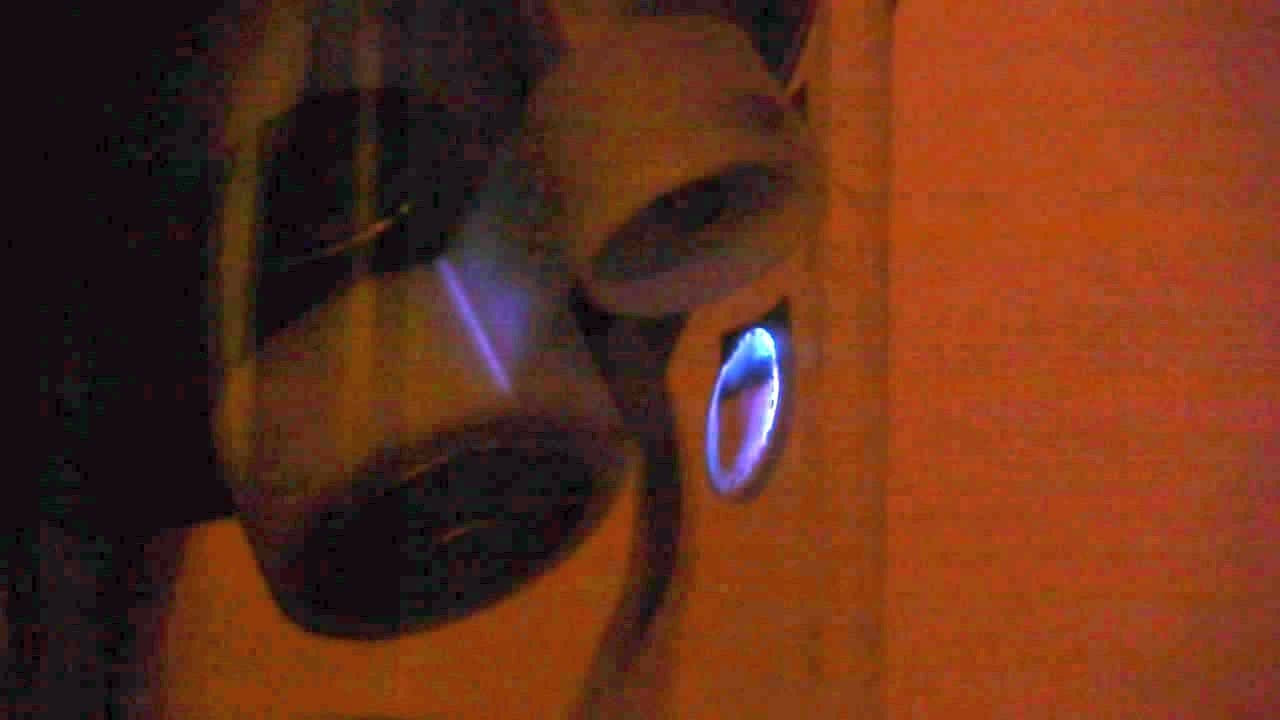
In this follow-up video, the content creator conducts experiments with a phosphorus screen, a scintillator, and a metal strip to determine if x-rays or electrons are being produced.
Transcript
here's a quick follow-up to last night's video so watch that one if you haven't seen it yet what I've done here is put a piece of my phosphorous screen that x-ray intensifier cassette inside the vacuum chamber and so it's wrapped around the inside of this acrylic tube and then also on top of that there's a round scintillator a piece of glass that's... Read More
Key Insights
- 📞 Electrons appear to be emitted from the junction, while the phosphorus screen enclosed in plastic does not receive any electrons.
- 🌟 The scintillator screen, with exposed phosphorus, glows when electrons interact with it.
- 📤 The metal strip's ability to block electrons and indicate x-ray presence remains uncertain due to inconclusive experimental results.
Install to Summarize YouTube Videos and Get Transcripts
Explore YouTube Video Summarizer or Get YouTube Transcript Extractor
Questions & Answers
Q: What was the purpose of placing the phosphorus screen, scintillator, and metal strip inside the vacuum chamber?
The purpose was to observe if x-rays were being produced or if only electrons were emitted from the junction. The presence of a shadow on the phosphorus screen would indicate x-ray production.
Q: Why did the phosphorus screen not light up while the scintillator screen did?
The phosphorus screen is encased in plastic, preventing the electrons from reaching the phosphorus. On the other hand, the scintillator screen has its phosphorus exposed on the surface, making it susceptible to direct electron impacts.
Q: Did the metal strip effectively block the electrons?
The results were inconclusive. It is unclear if the electrons were able to pass through the metal strip or if there were low-energy x-rays present that were not detectable.
Q: What changes will the content creator make for future experiments?
The content creator plans to use an aperture between the tape junction and the screen, as well as position the metal strip between the aperture and the screen. A larger screen and chamber, different types of tape, and a CRT will also be used.
Summary & Key Takeaways
-
The content creator places a phosphorus screen, a scintillator, and a metal strip inside a vacuum chamber to observe the presence of x-rays by checking for a shadow on the screen.
-
After analyzing the video playback, it is concluded that only electrons are emitted, as the phosphorus on the scintillator screen is encased in plastic and does not receive the electrons.
-
The content creator tries different setups and positions of the metal strip to determine if it can block the electrons and indicates the presence of x-rays, but the results are inconclusive.
Read in Other Languages (beta)
Share This Summary 📚
Summarize YouTube Videos and Get Video Transcripts with 1-Click
Try YouTube Summary with ChatGPT & Claude or YouTube Transcript Generator
Explore More Summaries from Applied Science 📚


Summarize YouTube Videos and Get Video Transcripts with 1-Click
Try YouTube Summary with ChatGPT & Claude or YouTube Transcript Generator