How Foods Influence Mood and Emotions
TL;DR
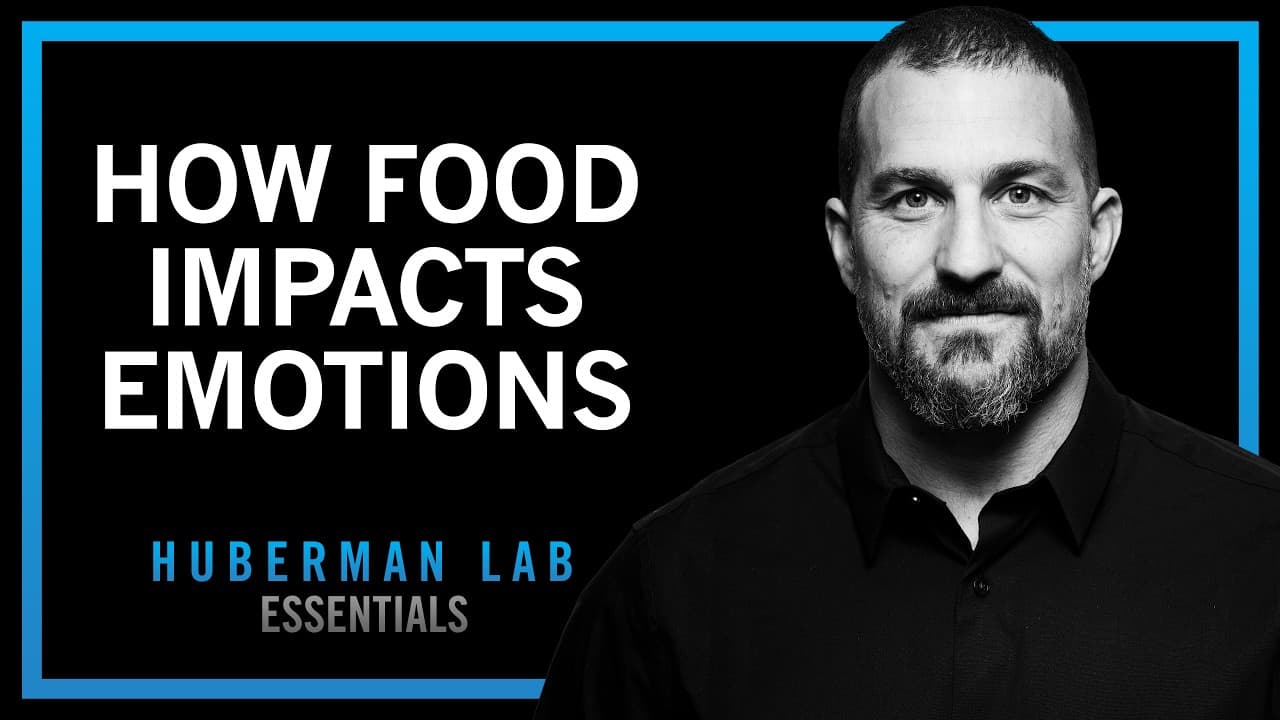
Foods and nutrients significantly impact emotions through brain-body interactions. Dopamine and serotonin, key neurotransmitters, are influenced by amino acids and nutrients like omega-3s, affecting mood and cravings. The vagus nerve and gut microbiome also play crucial roles in emotional regulation. Understanding these connections can help optimize dietary choices for better mental health.
Transcript
ANDREW HUBERMAN: Welcome to Huberman Lab Essentials, where we revisit past episodes for the most potent and actionable science-based tools for mental health, physical health, and performance. [MUSIC PLAYING] My name is Andrew Huberman, and I'm a professor of neurobiology and ophthalmology at Stanford School of Medicine. This podcast is separate fro... Read More
Key Insights
- Emotions are closely linked to the brain-body relationship, influenced by both mental and physical factors.
- The vagus nerve is a critical pathway connecting the brain and body, affecting emotional states through various organs.
- Sugars in food trigger dopamine release, driving cravings and influencing behavior, even without conscious awareness.
- Amino acids like l-tyrosine are precursors to dopamine, affecting motivation and emotional well-being.
- Serotonin, primarily produced in the brain, influences mood and is affected by carbohydrate intake.
- Omega-3 fatty acids have been shown to reduce depressive symptoms, comparable to some antidepressants.
- The gut microbiome influences mood and immune function, with fermented foods supporting a healthy microbiome.
- Belief and mindset can significantly alter physiological responses to food, impacting hunger and satisfaction.
Install to Summarize YouTube Videos and Get Transcripts
Explore YouTube Video Summarizer or Get YouTube Transcript Extractor
Questions & Answers
Q: How do sugars affect our emotions and cravings?
Sugars in food stimulate the release of dopamine, a neurotransmitter associated with pleasure and reward. This release drives cravings and influences behavior, often subconsciously. The vagus nerve senses sugar in the gut and signals the brain, enhancing the desire for more sugary foods. This biological mechanism explains why hidden sugars in foods can lead to increased consumption without conscious awareness.
Q: What role does the vagus nerve play in emotions?
The vagus nerve is a key pathway connecting the brain and body, influencing emotional states by transmitting signals from various organs, including the gut, heart, and lungs. It plays a crucial role in regulating emotions by affecting neurotransmitter levels and bodily responses. For example, it senses nutrient levels in the gut and communicates with the brain to modulate mood and cravings, highlighting the brain-body connection in emotional regulation.
Q: How do omega-3 fatty acids impact depression?
Omega-3 fatty acids, particularly EPA, have been shown to reduce depressive symptoms. Studies indicate that a daily intake of 1,000 mg of EPA can be as effective as certain antidepressants like Prozac. Omega-3s improve mood by influencing neurotransmitter systems and reducing inflammation, which are linked to depression. They also have a synergistic effect when combined with low doses of antidepressants, enhancing their efficacy.
Q: What is the gut microbiome's role in mood regulation?
The gut microbiome, composed of diverse microorganisms, influences mood and immune function by affecting the gut environment and signaling to the brain. It modulates neurotransmitter production, impacting mood-related chemicals like serotonin and dopamine. A healthy microbiome, supported by fermented foods, enhances mood and cognitive function, while imbalances can lead to negative emotional states. Individual dietary choices can optimize microbiome health and emotional well-being.
Q: How does mindset affect physiological responses to food?
Mindset and beliefs can significantly alter physiological responses to food, impacting hunger and satisfaction levels. Research shows that belief in a food's caloric content can influence ghrelin levels, a hunger-related hormone, regardless of the actual calorie content. This top-down modulation demonstrates how psychological factors can affect physical processes, highlighting the importance of mindset in dietary experiences and emotional responses.
Q: What are the effects of amino acids on neurotransmitters?
Amino acids are precursors to neurotransmitters like dopamine and serotonin, which play vital roles in mood and motivation. L-tyrosine, found in foods like meats and nuts, is a precursor to dopamine, influencing motivation and emotional well-being. Adequate amino acid intake ensures proper neurotransmitter synthesis, affecting mood regulation and cognitive function. This underscores the importance of balanced nutrition for maintaining mental health.
Q: How do serotonin levels influence mood and eating behavior?
Serotonin, a neurotransmitter, influences mood by creating a sense of well-being and contentment. It is primarily produced in the brain and can be affected by carbohydrate intake. Elevated serotonin levels promote relaxation and satisfaction, contrasting with dopamine-driven motivation and pursuit. Serotonin's role in mood regulation is also linked to antidepressant efficacy, as SSRIs increase serotonin availability, improving depressive symptoms.
Q: What dietary factors support a healthy gut microbiome?
A healthy gut microbiome is supported by a diet rich in fermented foods, which provide beneficial probiotics. These foods help maintain a balanced microbiome, enhancing mood and immune function. While probiotics can be beneficial, excessive intake may lead to brain fog. Individual dietary preferences, influenced by genetic and environmental factors, also play a role in microbiome health, emphasizing the need for personalized nutrition strategies.
Summary & Key Takeaways
-
Emotions arise from complex brain-body interactions, with nutrients playing a crucial role. The vagus nerve connects the brain to various organs, influencing emotional states. Sugars and amino acids affect neurotransmitters like dopamine and serotonin, impacting cravings and mood.
-
Omega-3 fatty acids have been found to reduce depressive symptoms, comparable to antidepressants. The gut microbiome also plays a significant role in mood regulation, with fermented foods supporting a healthy microbiome.
-
Mindset and beliefs can alter physiological responses to food, affecting hunger and satisfaction. Understanding these connections can help optimize dietary choices for better emotional well-being.
Read in Other Languages (beta)
Share This Summary 📚
Summarize YouTube Videos and Get Video Transcripts with 1-Click
Try YouTube Summary with ChatGPT & Claude or YouTube Transcript Generator
Explore More Summaries from Andrew Huberman 📚



Summarize YouTube Videos and Get Video Transcripts with 1-Click
Try YouTube Summary with ChatGPT & Claude or YouTube Transcript Generator