How to Create a CRUD API with .NET 6
TL;DR
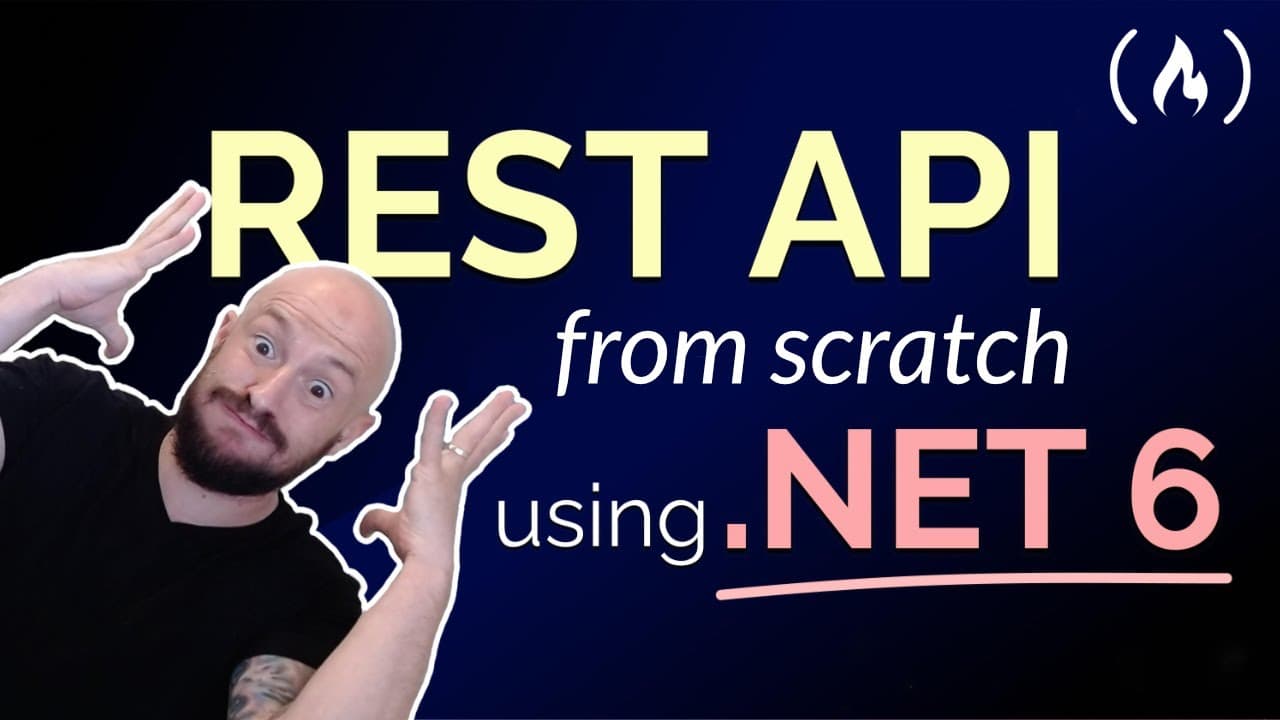
To create a CRUD-based REST API using .NET 6, start by defining the API structure and separating the API definition from application logic. Implement endpoints for creating, reading, updating, and deleting resources, while ensuring error handling and following best practices like domain-driven design to improve organization and resilience.
Transcript
in this.net 6 course amikai will teach you how to build a rest api amikai is a software engineer at microsoft and he is great at breaking down complex technical topics in a way that's easy for beginners to understand hi everyone today we're going to be building a crud based rest api completely from scratch i'm really excited to be collaborating wit... Read More
Key Insights
- 🚾 Building a REST API from scratch involves defining the API, setting up the project structure, and implementing the necessary endpoints for CRUD operations.
- 🔠 Separating the API definition and logic into separate projects allows for better modularity and versioning of the API.
- 😣 Using the .NET CLI and Visual Studio Code provides a streamlined development experience for building the REST API.
- 🎨 Following principles from domain-driven design and functional programming can improve the resilience and organization of the application.
- 🏛️ Resilience and error handling are crucial aspects of building a scalable API, requiring explicit definition and handling of errors.
- 👨💼 By enforcing business rules on the internal service models, the API can ensure the validity and consistency of data.
Install to Summarize YouTube Videos and Get Transcripts
Explore YouTube Video Summarizer or Get YouTube Transcript Extractor
Questions & Answers
Q: What is the main objective of this course?
The course aims to teach beginners how to build a CRUD-based REST API from scratch using .NET, with a focus on creating, reading, updating, and deleting breakfast items in the Uber Breakfast application.
Q: What technologies are used in the course?
The course utilizes .NET 6, the .NET CLI, and Visual Studio Code as the main technologies for building the REST API.
Q: What architecture choices are made in building the REST API?
The REST API follows a CRUD-based architecture, allowing for the creation, reading, updating, and deleting of resources. The focus is on building a system suitable for small to medium-sized applications, incorporating concepts from functional programming and domain-driven design.
Q: How are errors and exceptions handled in the API?
The course demonstrates an approach to error handling using the erroror library, which allows for explicit representation of errors and better control over error flows. The API returns appropriate error responses to clients based on the specific errors encountered.
Key Insights:
- Building a REST API from scratch involves defining the API, setting up the project structure, and implementing the necessary endpoints for CRUD operations.
- Separating the API definition and logic into separate projects allows for better modularity and versioning of the API.
- Using the .NET CLI and Visual Studio Code provides a streamlined development experience for building the REST API.
- Following principles from domain-driven design and functional programming can improve the resilience and organization of the application.
- Resilience and error handling are crucial aspects of building a scalable API, requiring explicit definition and handling of errors.
- By enforcing business rules on the internal service models, the API can ensure the validity and consistency of data.
- The erroror library provides a useful tool for representing and managing errors in the API, enabling better control and clarity in error handling processes.
Summary & Key Takeaways
-
The content focuses on building the backend for a fictional application called Uber Breakfast, which allows users to create, read, update, and delete breakfast items.
-
The course covers the architecture, technologies, and principles used in building the REST API, including the use of .NET 6, the .NET CLI, and Visual Studio Code.
-
The instructor, Amikai, is a software engineer at Microsoft with a knack for simplifying complex technical topics for beginners.
Read in Other Languages (beta)
Share This Summary 📚
Summarize YouTube Videos and Get Video Transcripts with 1-Click
Try YouTube Summary with ChatGPT & Claude or YouTube Transcript Generator
Explore More Summaries from freeCodeCamp.org 📚
![The Most Important Skills Going Forward with CTO + Homebrew Maintainer Mike McQuaid [Podcast #204] thumbnail](/_next/image?url=https%3A%2F%2Fi.ytimg.com%2Fvi%2F58Tn2xB8kIE%2Fhqdefault.jpg&w=750&q=75)
Summarize YouTube Videos and Get Video Transcripts with 1-Click
Try YouTube Summary with ChatGPT & Claude or YouTube Transcript Generator