What Is Deep Geography and Its Impact on Understanding Ukraine?
TL;DR
Deep geography examines how our understanding of places, influenced by language and narratives, shapes our perception of events like the war in Ukraine. For instance, using 'Ukraine' versus 'the Ukraine' reflects a view of sovereignty, while the naming of its capital as 'Kyiv' instead of 'Kiev' highlights cultural and historical significance. Such distinctions affect how we interpret conflicts and global geopolitics.
Transcript
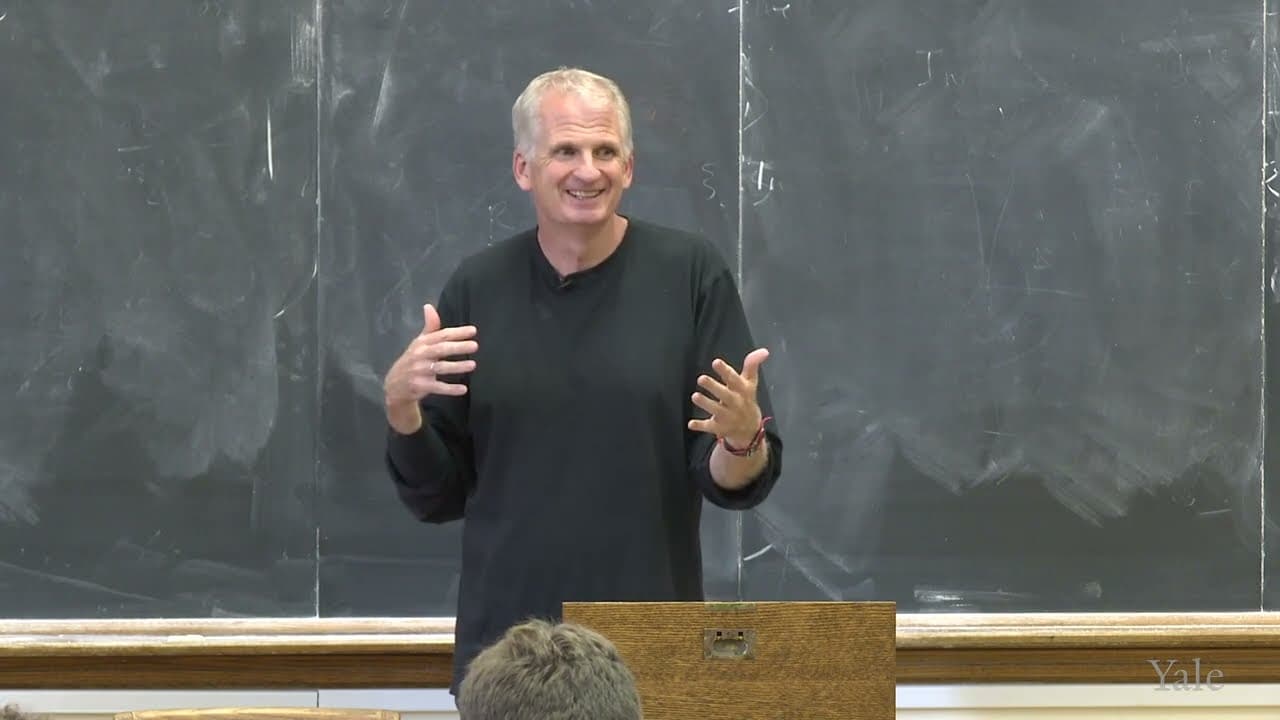
(solemn music) - Okay, greetings everybody. Welcome to lecture three. I knew when I was gonna give this lecture that it would be after I had gone to Ukraine and back in-between. So the nice people who are filming this asked me not to wear the same shirt as I wore last week, both times, which I'm sure you guys noticed. I didn't notice. It was very t... Read More
Key Insights
- 🥇 Language and naming choices have cultural, historical, and political implications and shape our understanding of places.
- ❓ Deep geography involves narratives and perceptions that influence how we interpret events and conflicts.
- 🥺 The narratives we are taught can lead to biased perspectives and influence predictions about outcomes.
Install to Summarize YouTube Videos and Get Transcripts
Explore YouTube Video Summarizer or Get YouTube Transcript Extractor
Questions & Answers
Q: How does the difference between "Ukraine" and "the Ukraine" reflect cultural and historical influences?
Saying "Ukraine" implies that it is a separate country, while "the Ukraine" suggests that it is a region within a larger entity, such as Russia or the Soviet Union. The choice of terminology reflects historical and cultural complexities that influence our understanding of the region.
Q: Why is the naming of the capital city of Ukraine significant?
The naming of the capital, whether as Kyiv or Kiev, reflects transliteration and historical influences. It has implications for how we perceive the city and its historical connection to Russia and Ukraine.
Q: What role does language play in shaping our understanding of events?
Language affects how we perceive events and places. Different languages have different terms for the same place, and these nuances can influence our interpretations. Language also reflects cultural and historical perspectives.
Q: How does the concept of deep geography impact our interpretations of conflicts like the war in Ukraine?
The narratives and deep geography we are exposed to shape our perspectives on events. For example, the belief that Ukraine is an exception or lesser than Russia can influence predictions about the outcome of the war. It is important to critically examine these narratives and understand their implications.
Summary & Key Takeaways
-
Deep geography refers to the way we think about places and how it influences our understanding of events. It encompasses language, naming, and narratives that shape our perspectives.
-
The difference between saying "Ukraine" and "the Ukraine" indicates whether we view Ukraine as a country or a region. This distinction has historical and cultural implications.
-
The naming of the capital, Kyiv or Kiev, involves transliteration and reflects the different historical influences on the city.
-
The narratives we are taught about places, such as the belief that Russia and Ukraine are inseparable, can have a profound impact on our interpretations and predictions about conflicts.
-
The concept of deep geography is crucial in understanding how our perceptions of space, history, and language shape our views on events like the war in Ukraine.
Read in Other Languages (beta)
Share This Summary 📚
Summarize YouTube Videos and Get Video Transcripts with 1-Click
Try YouTube Summary with ChatGPT & Claude or YouTube Transcript Generator
Explore More Summaries from YaleCourses 📚



Summarize YouTube Videos and Get Video Transcripts with 1-Click
Try YouTube Summary with ChatGPT & Claude or YouTube Transcript Generator