What Can Animal Droppings Tell Us About Wildlife?
TL;DR
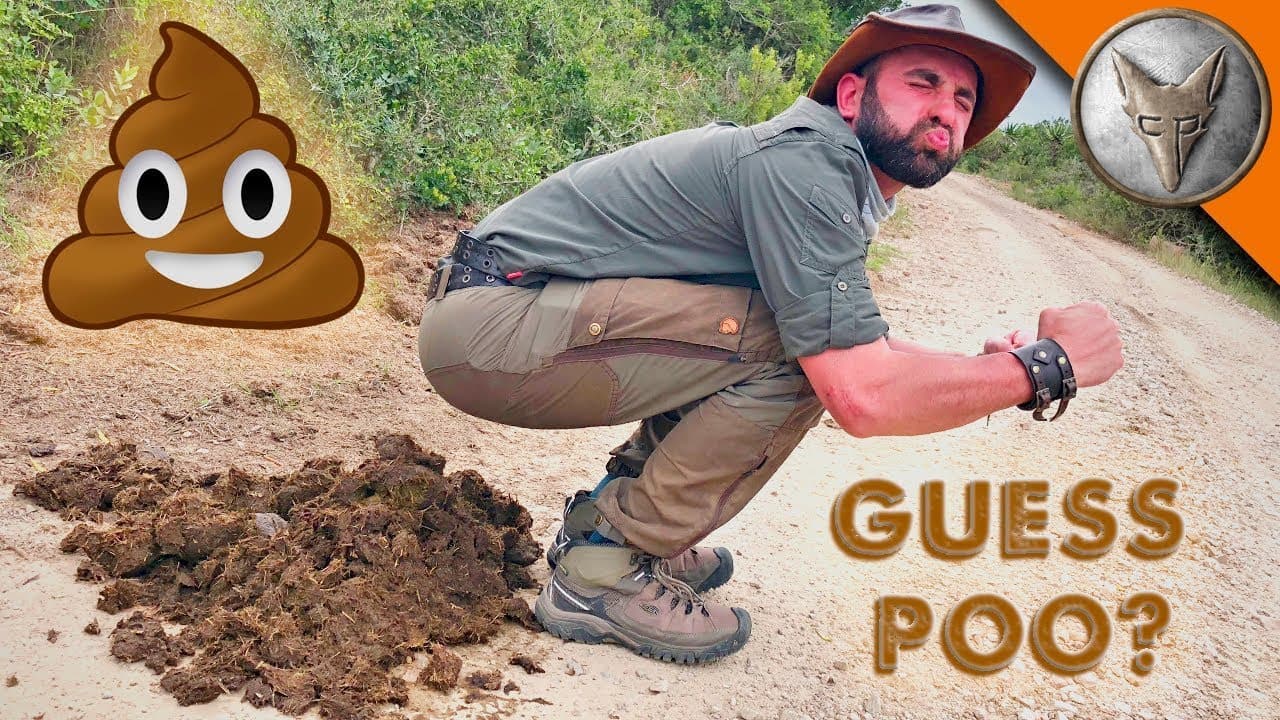
Animal droppings provide vital clues about wildlife, from tracking their species to understanding their diets and health. In South Africa's Kariega Game Reserve, Coyote and a poop expert uncover various droppings, ranging from small impala pellets to large elephant waste, revealing fascinating insights about each animal's eating habits and habitat.
Transcript
- Oh my gosh, here we go. Zoom in on that hole! (suspenseful music) Wow. (safari theme music) Hey, Mark. - [Mark] Yeah? - Point your camera down here. - [Mark] Ew. - Do you know what that is? - [Mark] Did you make that? - I did not make that. That is an animal poop. And right now, we're in South Africa, which is full of animals. And do you know wha... Read More
Key Insights
- 🇿🇦 South Africa's Kariega Game Reserve is home to a diverse range of animals, each leaving behind distinct droppings.
- 💁 Animal droppings can provide valuable information about an animal's diet and overall health.
- 🖐️ Dung beetles play a crucial role in the decomposition of animal droppings, often swarming them shortly after they are deposited.
- 🤑 Different animals have varying bathroom habits, with some species, like the rhino, producing more frequent, smaller droppings, while others, like the elephant, produce larger ones.
Install to Summarize YouTube Videos and Get Transcripts
Explore YouTube Video Summarizer or Get YouTube Transcript Extractor
Questions & Answers
Q: How many types of animal droppings did Coyote and his team find?
Coyote and his team found droppings from impala, giraffes, lions, rhinos, and elephants, totaling five types of animal droppings.
Q: What distinguishes the droppings of different animals?
The composition and odor of the droppings vary depending on the animal's diet. For example, impala droppings are made up of plants and underbrush, while lion droppings contain meat, guts, and gristle.
Q: Why were there bugs on the elephant's droppings?
The bugs were attracted to the warm and fresh elephant droppings to feed on them. Dung beetles, in particular, are known to quickly find and consume animal droppings.
Q: What did Coyote conclude about the episode?
Coyote acknowledged that the episode may have been gross, but it was also educational. He highlighted the importance of poop in tracking and understanding wildlife.
Summary & Key Takeaways
-
Coyote and his team embark on a scavenger hunt for animal droppings in South Africa's Kariega Game Reserve.
-
They start with small turds from impala, progressing to giraffe, lion, rhino, and elephant droppings.
-
Jo, a poop expert, provides insights into the composition and characteristics of the different droppings.
Read in Other Languages (beta)
Share This Summary 📚
Summarize YouTube Videos and Get Video Transcripts with 1-Click
Try YouTube Summary with ChatGPT & Claude or YouTube Transcript Generator
Explore More Summaries from Brave Wilderness 📚

Summarize YouTube Videos and Get Video Transcripts with 1-Click
Try YouTube Summary with ChatGPT & Claude or YouTube Transcript Generator