What Is the Biology of Our Best and Worst Selves?
TL;DR
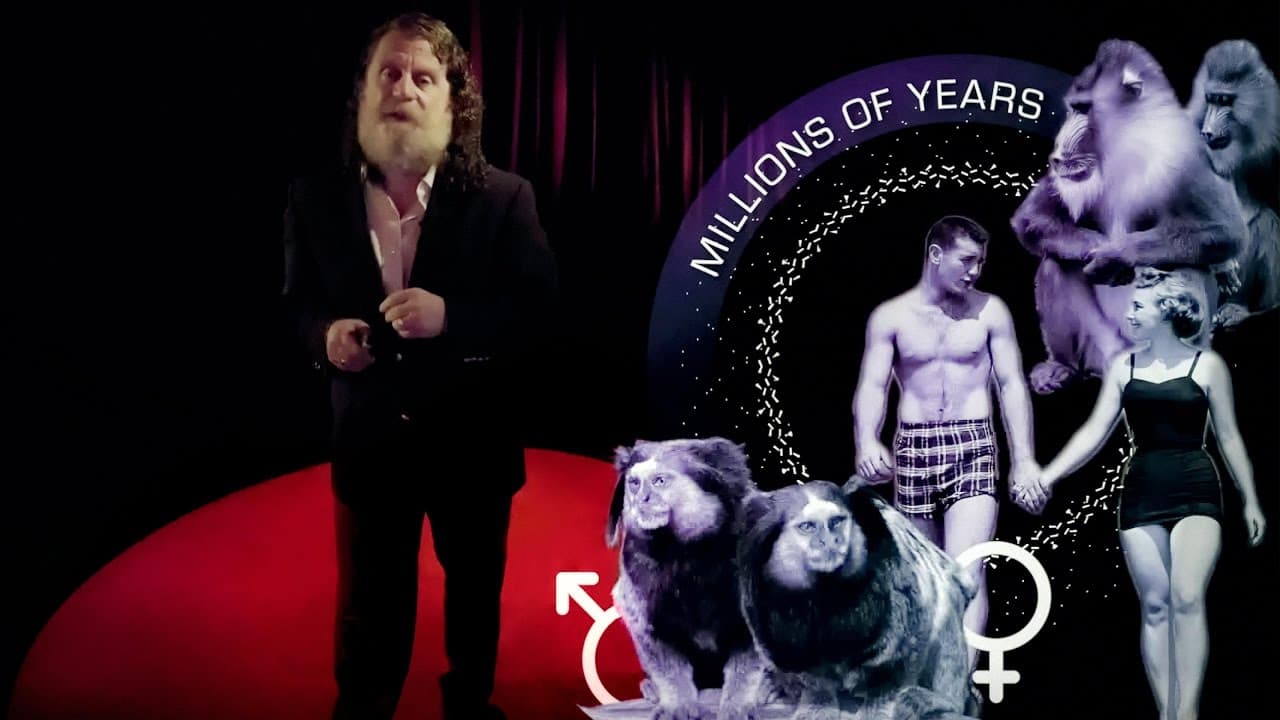
The biology of our best and worst selves reveals that human behavior is shaped by a complex interplay of factors, including brain activity, hormones, experiences, genes, and evolutionary history. Understanding this complexity is crucial for recognizing our potential for both violence and altruism, and highlights that behavioral change is possible when we study the conditions that foster transformation.
Transcript
Chris Anderson: So Robert spent the last few years think about how weird human behavior is, and how inadequate most of our language trying to explain it is. And it's very exciting to hear him explain some of the thinking behind it in public for the first time. Over to you now, Robert Sapolsky. (Applause) Robert Sapolsky: Thank you. The fantasy alwa... Read More
Key Insights
- 🌍 Violence and human behavior are complex and contradictory. We are both a violent and compassionate species, struggling to make sense of our best and worst behaviors.
- 🔬 Understanding the biology and context of our behaviors is challenging but essential. It involves considering factors such as brain regions, hormones, genes, childhood experiences, and evolutionary mechanisms.
- 🔫 The meaning of a behavior is subjective and dependent on the situation. Pulling a trigger can be an appalling act or a heroic act, depending on the context.
- 💥 Multiple levels of causality contribute to behavior. Factors include brain activity, environmental stimuli, hormones, neural plasticity, childhood experiences, ancestral influences, and evolutionary processes.
- 🌟 Change is possible at various levels. Ecosystems, cultures, and brains can change, leading to transformative shifts in behavior. Examples include the abolition of slavery, reconciliations after war, and acts of moral courage.
- 💡 Studying the history of extraordinary human change and understanding the biology behind it is crucial for fostering positive transformation and preventing repetition of negative behaviors.
- 🧠 Neurons, neurochemicals, and biology do not determine behavior. Instead, they interact with genes, environments, and experiences to shape behavior.
- 📚 The complexity of human behavior calls for caution and open-mindedness. Instead of seeking simplistic explanations, we should embrace the complexity and strive to understand the multifaceted factors influencing behavior.
- 🎙️ More videos with Robert Sapolsky:
Install to Summarize YouTube Videos and Get Transcripts
Explore YouTube Video Summarizer or Get YouTube Transcript Extractor
Questions & Answers
Q: What is the main topic of the video?
The main topic of the video is human behavior, particularly the complex nature of violence and altruism.
Q: What does the speaker say about violence and human behavior?
The speaker highlights the paradoxical relationship humans have with violence. While violence is a problem for our species, we also have a fascination with and support for certain types of violence, such as acts of heroism and self-sacrifice. This contradictory behavior makes it difficult to understand the biology behind our actions.
Q: How does the speaker explain the complexity of human behavior?
The speaker emphasizes that human behavior is influenced by multiple factors at different levels, including brain activity, environmental cues, hormones, neural plasticity, early life experiences, genetics, cultural upbringing, and even the evolutionary history of our species. To truly understand a behavior, all these factors must be taken into account.
Q: What does the speaker suggest about studying history and human change?
The speaker argues that studying the history of extraordinary human change and understanding the biology behind it is crucial in order to repeat and replicate these moments. By learning from the past, we can strive to transform our worst behaviors into our best ones and bring about positive change.
Summary & Key Takeaways
-
Violence and human behavior are complex and often contradictory. We hate violence, but only when it's the wrong kind. We are both a violent and altruistic species.
-
Understanding the biology and context of human behavior is challenging. Every behavior is influenced by multiple levels of causality, including brain activity, hormones, experiences, genes, and evolution.
-
Change is possible. Examples of individuals and groups undergoing profound transformations demonstrate that behavior can be shifted from worst to best. Studying history and biology can help facilitate positive change.
Read in Other Languages (beta)
Share This Summary 📚
Summarize YouTube Videos and Get Video Transcripts with 1-Click
Try YouTube Summary with ChatGPT & Claude or YouTube Transcript Generator
Explore More Summaries from TED 📚

Summarize YouTube Videos and Get Video Transcripts with 1-Click
Try YouTube Summary with ChatGPT & Claude or YouTube Transcript Generator