How to Build Founder Culture Through Conviction
TL;DR
Founders build committed cultures by defining a bold destination, personally recruiting the earliest believers, and repeatedly showing how present disruption leads toward that goal. Effective leadership does not require flashy charisma, but it does require authenticity, trustworthiness, consistent delivery, and the willingness to absorb criticism while the organization finds people aligned with its mission.
Transcript
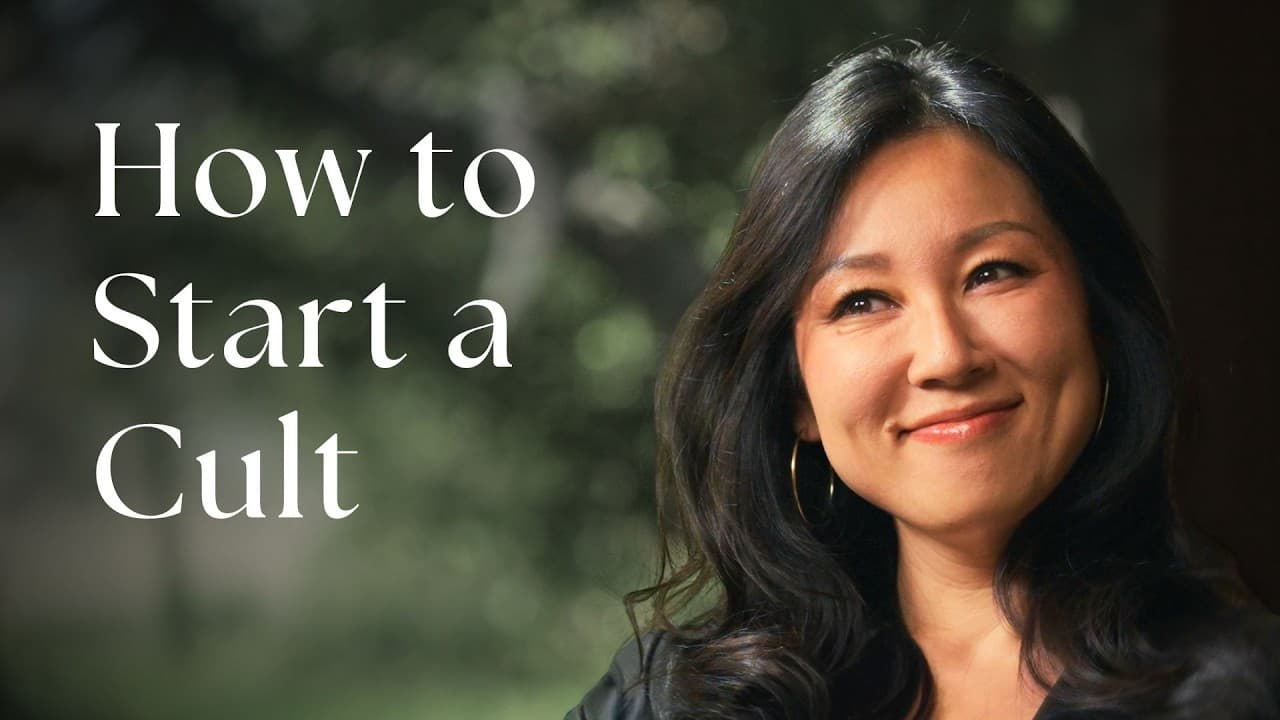
Today I have the pleasure of sitting down with Lulu Chang, Missouri, the founder of Rostra. She helps some of the best founders in the world basically tell their stories. I want to start this off with the idea of like how do you start a cult? Cuz many of the best founders in the world are incredibly good at building like a culture that other people... Read More
Key Insights
- A founder is the central carrier of an early company's vision, so the founder must recruit its first believers and personally absorb criticism. This concentration of responsibility also makes the organization vulnerable when too much identity and direction depend on one leader.
- The first recruits are the hardest to persuade because an unconventional company has little evidence, appears improbable, and asks people to leave comfortable lives. The founder must communicate deep conviction that the mission is possible, necessary, and achievable under that leadership.
- Early recruiting eventually becomes more scalable when existing members begin attracting additional members. The transcript suggests that this shift may happen after roughly 10 people, but the founder still has to perform the difficult initial work without relying on an established organization.
- Charisma is not limited to a loud, magnetic, or traditionally impressive personality. Quiet conviction, substantive thinking, high integrity, trustworthiness, and consistent overdelivery can also persuade people that a leader deserves responsibility for their future and livelihood.
- Authenticity works by steadily attracting people who align with a leader's genuine character and beliefs. Pretending to be someone else is difficult to sustain, and every day spent maintaining that performance delays the cumulative process of finding the right audience.
- Perceived chaos can be a necessary stage of ambitious transformation. Turning a functional space or organization into something fundamentally different may require dismantling its current form, creating a temporary period that looks destructive even when the leader understands the destination.
- Clear progress communication reduces anxiety during disruptive change. Leaders should define the finished result, identify the current stage, and provide frequent updates, much like a pizza tracker reassures a customer that the order is still advancing toward completion.
- Unpredictability can prevent outsiders from treating a leader's ambition as fixed and fully understood. The transcript presents Elon as repeatedly expanding perceived boundaries when observers believe they can extrapolate a business, making earlier estimates of his plans appear incomplete.
Install to Summarize YouTube Videos and Get Transcripts
Explore YouTube Video Summarizer or Get YouTube Transcript Extractor
Questions & Answers
Q: How can a founder build a committed company culture?
A founder can build commitment by setting a clear vision, personally recruiting the earliest believers, and demonstrating unwavering conviction that the mission is possible, necessary, and achievable. The founder must also accept being the visible target for criticism. As the group grows, existing members may begin recruiting others, but the first stage depends heavily on direct persuasion and personal credibility.
Q: Why are a startup's first employees difficult to recruit?
The first employees are difficult to recruit because the company has little proof, the idea may look unreasonable, and the personal risks are unusually high. Prospective recruits may need to leave comfortable and lucrative work, strain relationships, accept an uncertain lifestyle, and trust equity that feels intangible. The founder must make the opportunity credible before the organization has earned conventional credibility.
Q: What qualities make a founder persuasive without traditional charisma?
A founder can be persuasive through quiet depth, substantive understanding, high integrity, trustworthiness, and consistent delivery. The transcript contrasts visible, room-commanding charisma with leaders whose credibility emerges through careful explanation or repeated overdelivery. These less flashy qualities matter because recruits need confidence that the mission is real and that their future and livelihood will be safe under the founder's leadership.
Q: Why should founders be more authentically themselves?
Founders should express their genuine character because sustained imitation is unlikely to work and eventually slips. Authenticity gradually filters an audience, attracting people who agree with the leader and allowing poorly aligned observers to leave. The transcript compares this process to a magnet orienting filings over time. Pretending delays the compounding process of collecting employees and supporters who genuinely belong with the mission.
Q: How should leaders communicate during chaotic organizational change?
Leaders should repeatedly describe the intended finished state, explain the organization's current stage, and provide regular progress updates. The transcript calls this a Domino's pizza tracker approach: people gain comfort when they know the desired result and can see that work continues. This communication is particularly important when employees or shareholders might mistake a necessary period of disruption for purposeless destruction.
Q: Why can ambitious transformation look destructive at first?
Ambitious transformation can look destructive because reaching a fundamentally different destination may require dismantling a functional current state. The transcript uses the example of converting a pleasant room into a cathedral to podcasting. Between those states, the room may resemble rubble. Observers often react to the immediate disorder and forget that it may be a temporary phase within a coherent plan.
Q: When does an early company begin recruiting through its own members?
An early company begins recruiting more organically after enough committed members have joined and can attract additional people themselves. The transcript suggests that this effect may emerge after roughly 10 people, while emphasizing that the first few recruits remain the founder's responsibility. There is no shortcut for that initial stage because the organization lacks the social proof and momentum that later members provide.
Q: How can unpredictability affect perceptions of a founder's ambition?
Unpredictability can keep observers from assuming that they have fully measured a founder's plans or a company's future boundaries. The transcript describes Elon as introducing new ambitions when others believe they can extrapolate one of his businesses. This repeatedly resets their frame of reference. It also distinguishes externally perceived chaos from internal confusion, since outsiders may lack the context behind an unconventional decision.
Summary & Key Takeaways
-
A founder creating an unconventional company must act as its first leader, set the vision, recruit the earliest believers, and accept personal responsibility for opposition. Those initial recruits are difficult to win because the organization has little proof, the mission appears improbable, and joining may demand substantial personal and professional sacrifice.
-
Leadership charisma can take several forms. Some leaders command attention immediately, while others persuade through quiet substance or exceptionally consistent integrity. The essential quality is making people believe that the mission is real and that their future and livelihood will remain safe in the leader's hands.
-
Authenticity helps founders attract the right audience over time, while imitation delays that process. During disruptive transformations, leaders should also communicate the intended destination and provide frequent progress updates. A clear picture of the finished result helps employees and shareholders understand why the present situation may temporarily resemble disorder.
Read in Other Languages (beta)
Share This Summary 📚
Summarize YouTube Videos and Get Video Transcripts with 1-Click
Try YouTube Summary with ChatGPT & Claude or YouTube Transcript Generator
Explore More Summaries from Relentless 📚




Summarize YouTube Videos and Get Video Transcripts with 1-Click
Try YouTube Summary with ChatGPT & Claude or YouTube Transcript Generator