How to learn from failure and break the cycle
TL;DR
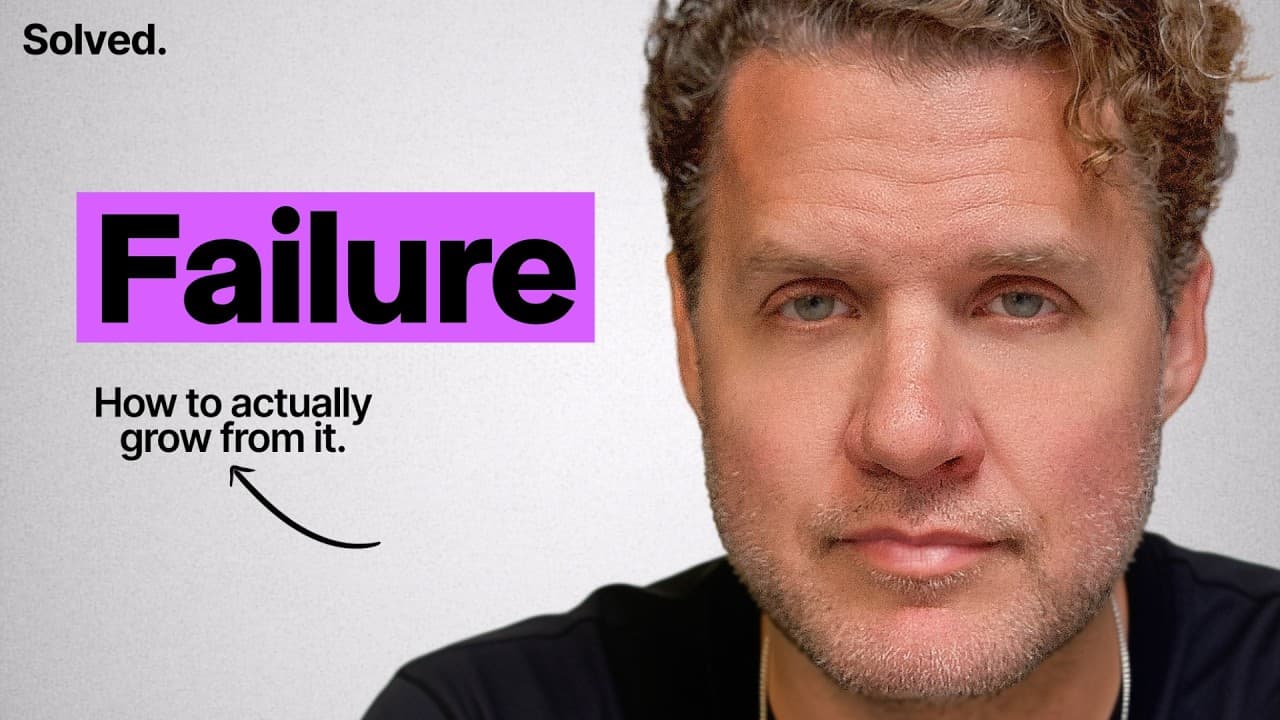
Failure is not an event to avoid but a byproduct of our own standards and values. The episode argues that the modern obsession with failing forward is a coping mechanism that often traps people in fear, and it explores lessons from FailCon, survivorship bias, and practical ways to define failure to learn more effectively.
Transcript
You know, Drew, usually we do some sort of cold open to these episodes, but I failed to think of one. This is >> We're getting kind of a trend. >> These like little meta cold open. >> Yeah. So, we have You failed already. I'm just before we've even started. >> I'm just trying to be clever. >> We can't commit to a studio space. We had commitment las... Read More
Key Insights
- Failure is a byproduct of what you value, not an external event, making it possible to redefine it.
- The modern culture of failure has both worship and shame, each reinforcing unhelpful patterns of behavior.
- FailCon illustrates survivorship bias and the danger of lessons drawn only from successful or visible outcomes.
- Perceived failure triggers a fear response similar to threats, explaining why people avoid or minimize losses.
- Societal trends toward celebrating failure can obscure the real, practical lessons needed to improve.
- Quitting and failing are not the same; measuring when to quit wisely is essential to learning.
- The belief that failure is the best teacher is challenged by evidence that people struggle to extract lessons.
- Defining failure clearly and personally is the key to using it as a learning tool rather than a source of fear.
Install to Summarize YouTube Videos and Get Transcripts
Explore YouTube Video Summarizer or Get YouTube Transcript Extractor
Questions & Answers
Q: What is the central claim about failure in this episode?
The central claim is that failure is not an external event to avoid or chase, but a byproduct of our own arbitrary standards and values. By redefining failure and how we measure it, we can learn more effectively from setbacks. This reframing helps break the cycle of fear and hollow optimism that many people experience.
Q: Why is FailCon discussed, and what happened to it?
FailCon is discussed as a case study of a conference aimed at celebrating failure. It initially gained traction by addressing a real gap in startup culture but eventually stopped because the underlying financial and structural issues persisted. The episode suggests that even well intended efforts can fail when they do not address broader systemic factors.
Q: What is survivorship bias, and how is it used in the discussion?
Survivorship bias refers to focusing on successful cases while ignoring failures, leading to misleading conclusions. The episode uses it to critique popular anecdotes about failure, like Michael Jordan’s or Steve Jobs’ failures, arguing that such stories ignore the broader context and misrepresent how often lessons from failure are truly learned.
Q: How does the episode describe the physiological response to failure related events?
The episode notes that rejected emails and other negative feedback can trigger the same physiological response as life threatening threats. This explains why people react defensively or avoidant when confronted with failure, even if the stakes are not literally dangerous, highlighting the deep psychological impact of perceived failure.
Q: What societal lesson about failure is challenged by the episode?
The episode challenges the idea that failure is inherently good or the best teacher. Instead, it argues that the common presumption leads to avoidance or shallow lessons, and that meaningful learning requires redefining failure and actively engaging with the consequences of our actions.
Q: What role does the concept of quitting play in the discussion?
Quitting is discussed as a concept distinct from failing. The episode emphasizes evaluating when quitting is a wise decision rather than a sign of weakness. This helps separate strategic retreat from unproductive persistence, enabling better learning outcomes and more accurate assessments of progress.
Q: How is the idea of failure tied to personal standards?
Failure is tied to personal standards in that it reflects how an individual defines success and acceptable risk. By examining and adjusting these internal standards, one can change how setbacks are perceived and pursued, transforming failure from a source of fear into a constructive feedback loop.
Q: What broader narrative about failure and culture does the episode critique?
The episode critiques the broad cultural narrative that paints failure as either something to worship or condemn, arguing that both extremes distort reality. A balanced approach focuses on actionable learning, honest assessment of outcomes, and a redefined notion of what constitutes meaningful progress.
Summary & Key Takeaways
-
The episode reframes failure as a byproduct of our personal standards rather than an external event, encouraging a shift in how we define and respond to failure.
-
It analyzes FailCon as a case study in celebrating failure and why it ultimately faltered, linking it to broader issues of survivorship bias and financial constraints.
-
It promises actionable guidance on learning from failure by addressing psychological reactions and redefining success, rather than chasing an inevitable lesson from every setback.
Read in Other Languages (beta)
Share This Summary 📚
Summarize YouTube Videos and Get Video Transcripts with 1-Click
Try YouTube Summary with ChatGPT & Claude or YouTube Transcript Generator
Explore More Summaries from Mark Manson 📚



Summarize YouTube Videos and Get Video Transcripts with 1-Click
Try YouTube Summary with ChatGPT & Claude or YouTube Transcript Generator