When Does a Maritime Strike Become a War Crime?
TL;DR
Killing defenseless survivors of a military strike would be unlawful and, according to Douglas Macgregor, could constitute a war crime. Survivors should be rescued and detained because the law of war protects them and prisoners can provide valuable intelligence. Responsibility should be traced through the chain of command, especially when senior officers receive or transmit allegedly illegal orders.
Transcript
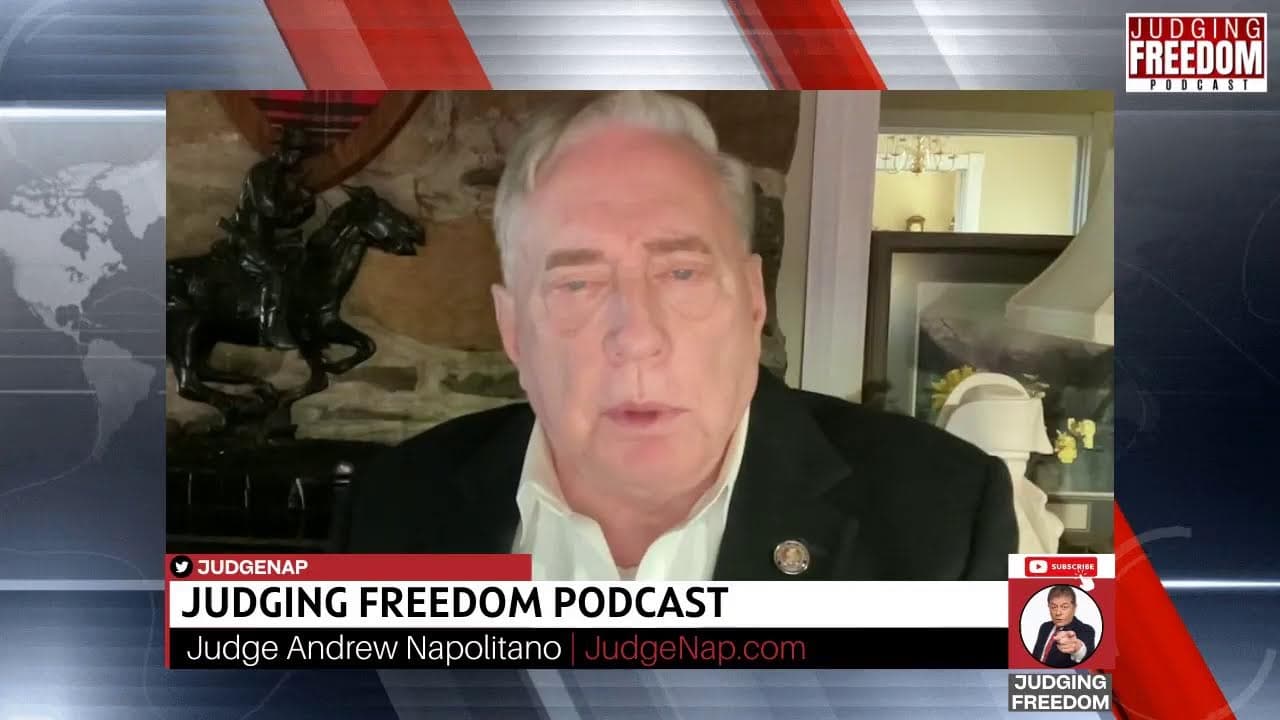
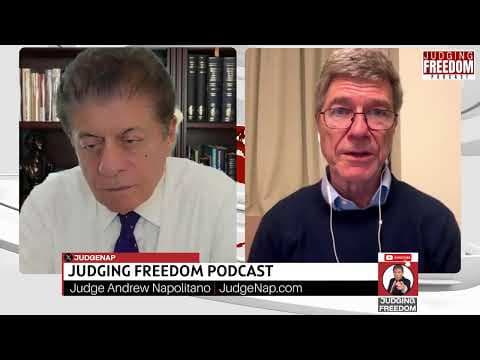
Heat. Heat. Hi everyone, Judge Andrew Npalitano here for Judging Freedom. Today is Thursday, December 4th, 2025. Colonel Douglas McGregor will be here with us in a minute on this topic. Would it be a crime, a war crime to attack Venezuela for no legitimate military purpose? But first, this history tells us every market eventually falls. Currencies ... Read More
Key Insights
- An attack on nonviolent civilians at sea is unlawful unless tangible evidence shows that they intend to commit violence against the country, its forces, or its ships. Macgregor argues that the Coast Guard and law enforcement should handle ambiguous maritime situations instead.
- The law of war requires military personnel to distinguish deliberate atrocities from accidental harm. Macgregor describes atrocities as intentional acts and emphasizes that military education, historical experience, and the Uniform Code of Military Justice establish recognizable standards of lawful conduct.
- Defenseless survivors of a boat strike should be rescued rather than deliberately killed. Macgregor says people clinging to wreckage after an attack are not deserving of extermination, regardless of allegations that their vessel carried drugs or supported illegal activity.
- Prisoners are valuable sources of intelligence rather than merely operational burdens. Captured suspects can reveal why they were present, how their network operates, where materials originate, who finances them, whom they contact, and what related actors may do next.
- Killing a person who is defenseless before military power is characterized by Macgregor as an act of terror. He argues that historical atrocities do not excuse current misconduct and that postwar legal standards exist because armed forces know the difference between lawful and unlawful behavior.
- A senior commander has options when given an allegedly illegal order. Macgregor says an admiral could disregard the instruction, later explain why it was misguided, or directly refuse it as unlawful instead of automatically transmitting it down the chain of command.
- Responsibility for an unlawful strike should be traced to the senior officials who originated and transmitted the order. Macgregor is particularly reluctant to blame lower-ranking personnel because military discipline makes refusal difficult and exposes them to serious institutional consequences.
- A complete investigation is necessary before assigning individual guilt because early battlefield reports can be emotionally charged and inaccurate. Macgregor nevertheless says that proof of an explicit order and knowing compliance would establish criminal responsibility for both the official issuing it and the commander executing it.
Install to Summarize YouTube Videos and Get Transcripts
Explore YouTube Video Summarizer or Get YouTube Transcript Extractor
Questions & Answers
Q: When does an attack on civilians at sea become unlawful?
An attack becomes unlawful when nonviolent civilians are targeted without tangible, concrete evidence that they intend to commit violence against the country, its forces, or its ships. Macgregor says ambiguous maritime situations should be handled by the Coast Guard and law enforcement. Suspected offenders can be intercepted, detained, investigated, and questioned instead of being treated immediately as military targets.
Q: Must military forces rescue survivors after attacking a boat?
Macgregor says there is a legal and moral imperative to rescue survivors who remain alive and defenseless after a strike. People clinging to wreckage should not be deliberately killed, even when their boat allegedly carried drugs. The law of war and military legal instruction address this obligation, while rescue also allows authorities to detain and question potential suspects.
Q: Why should military forces capture prisoners instead of killing them?
Prisoners can provide intelligence about the network behind an operation, including why participants were present, where materials originated, who paid them, whom they dealt with, and what affiliated actors might do next. Killing survivors destroys both human evidence and investigative opportunities. Macgregor therefore describes prisoners as operational assets rather than burdens that should be eliminated.
Q: Can a military officer refuse an illegal order?
A military officer can refuse an order believed to be illegal. Macgregor says a senior admiral could explicitly tell the secretary that the order is unlawful, quietly disregard it and continue with the course considered correct, or later explain why compliance would have been misguided or counterproductive. Knowingly passing down an illegal order can create personal responsibility.
Q: Who is responsible when an illegal military order is carried out?
Responsibility should be traced through the chain of command to the official who originated the instruction and the senior commander who knowingly transmitted or executed it. Macgregor says that if an investigation proves the defense secretary explicitly ordered survivors killed and the admiral complied without hesitation, both could be guilty of a war crime rather than only the personnel operating the weapon.
Q: Why are lower-ranking service members treated differently in the discussion?
Lower-ranking personnel operate within a disciplined institution where obedience is a primary obligation. A sergeant, lance corporal, or boatswain's mate may fear court-martial or institutional punishment for refusing an order, even when it appears wrong. Macgregor therefore focuses scrutiny on senior leaders who create and transmit commands, while remaining reluctant to make junior operators the principal targets of blame.
Q: Why is an investigation necessary before declaring a war crime?
An investigation is necessary because the available account may be incomplete and early reports from military events are often emotionally charged or inaccurate. Macgregor says the facts must establish whether survivors were visible, whether an explicit order to kill them was issued, and whether the admiral knowingly obeyed it. Those findings determine individual intent, conduct, and responsibility.
Q: How does the fog of war affect responsibility for a strike?
The fog of war can limit what officials see and understand during an unfolding operation, particularly when fire, smoke, incomplete reports, and digital analysis complicate observation. However, Macgregor does not treat uncertainty as a blanket excuse. If later evidence proves that survivors were deliberately targeted under an explicit command, the claimed confusion would not remove responsibility from those who issued and executed the order.
Summary & Key Takeaways
-
Douglas Macgregor argues that attacking nonviolent civilians at sea is unlawful unless tangible evidence establishes their intention to commit violence against American forces, ships, or the country. Ambiguous encounters should instead involve the Coast Guard and law enforcement, which can stop, investigate, detain, and question suspected offenders without treating them as military targets.
-
The discussion focuses on allegations that two people survived an initial strike on a boat and were subsequently killed. Macgregor says defenseless survivors should have been rescued rather than exterminated. Capturing them would also have preserved sources of information about their mission, associates, trafficking network, origins, financing, and likely future activities.
-
Macgregor says an admiral receiving an illegal order could disregard it, explain afterward why it was misguided, or explicitly refuse to carry it out. If an investigation established that senior officials ordered the killing of survivors and the admiral knowingly transmitted that command, he believes responsibility would extend through the senior chain of command.
Read in Other Languages (beta)
Share This Summary 📚
Summarize YouTube Videos and Get Video Transcripts with 1-Click
Try YouTube Summary with ChatGPT & Claude or YouTube Transcript Generator
Explore More Summaries from Judge Napolitano - Judging Freedom 📚

Summarize YouTube Videos and Get Video Transcripts with 1-Click
Try YouTube Summary with ChatGPT & Claude or YouTube Transcript Generator