How to Build a $12K Monthly YouTube Side Business
TL;DR
A YouTube side business can grow without quitting a full-time job when proven topics, multiple revenue sources, and repeatable production systems replace unfocused effort. Richard Walls reportedly increased his best monthly revenue from under $1,000 to about $12,000 by refining content strategy, improving monetization, hiring help, and treating each published video as a long-term business asset.
Transcript
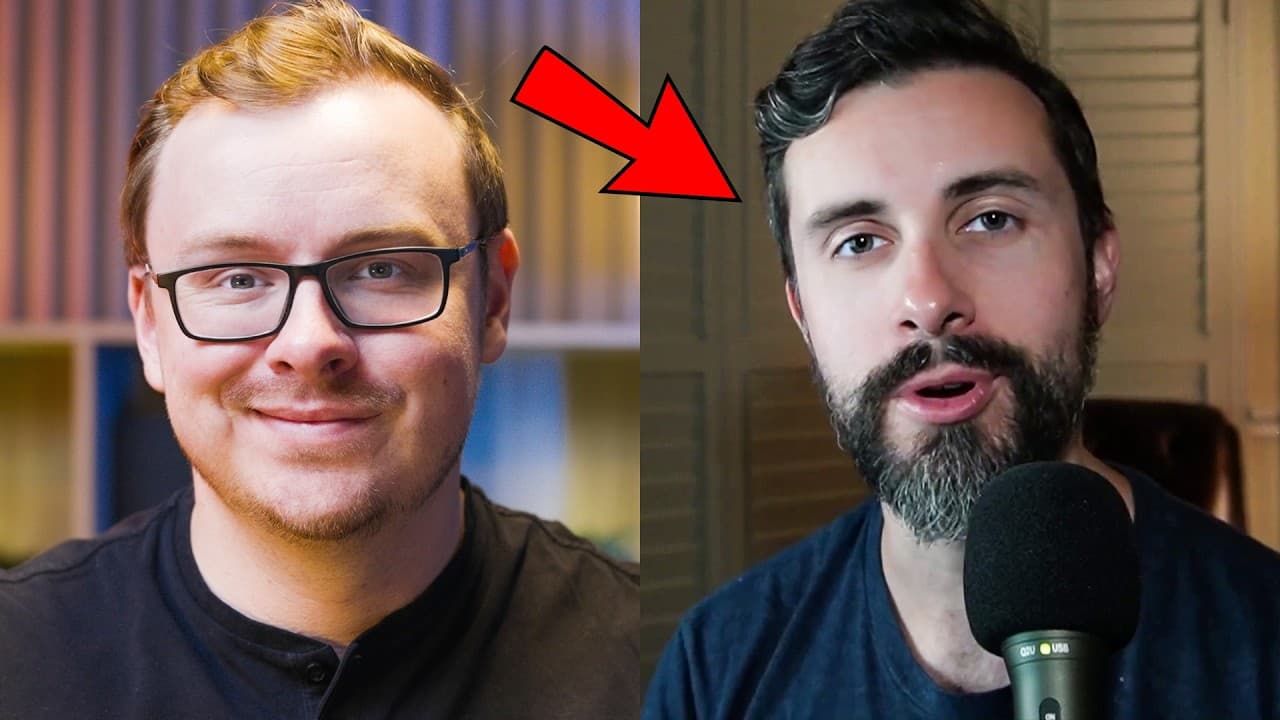
Meet Richard. He has a demanding full-time job. He has a family and he has investments. And he still managed to build a YouTube channel that makes $12,000 a month. Richard proves that you don't need to quit your job to build a successful YouTube business. And you don't need to work 80 hours a week on YouTube. He couldn't because he already had a fu... Read More
Key Insights
- A focused content strategy is the foundation of Richard's reported turnaround because it replaces guesswork with subjects his audience already wants to watch. Topic selection also considers whether viewer interest can eventually lead to a purchase, connecting audience demand directly with the channel's business model.
- Monetization optimization is broader than relying only on YouTube advertising revenue. Richard's revised approach made each video a potential source of income through relevant products and services, helping his reported best month reach about $12,000 after he had previously earned less than $1,000 monthly.
- Scalable systems are essential when a creator has only a few hours each week. Richard sought a streamlined process because his demanding Fortune 50 position reportedly required 60 hours per week, while his family and investments also competed for his limited time and attention.
- A creator's existing profession can supply credible and relevant content ideas. Richard's corporate experience keeps him close to the career challenges faced by his audience, allowing daily work experiences and professional knowledge to become potential material for career development and personal finance videos.
- A personal brand can create professional opportunities beyond channel revenue. By publicly demonstrating expertise in career development and personal finance, Richard positioned himself as an authority whose visibility could attract employment opportunities if he ever lost or decided to leave his corporate position.
- Published videos can function as long-term business assets because they remain available while the creator works, sleeps, or spends time with family. The strategy assumes that both older and newer videos can contribute to an expanding content library once effective monetization systems are connected to them.
- Passive income begins with active production, disciplined execution, and deliberate systems. Richard's stated goal is a mostly passive side business rather than maximizing monthly revenue, so his plan emphasizes gradual scaling, hiring assistance, and building a team that can support content creation over time.
- Reported success does not guarantee identical results for every creator. The account explicitly says that not everyone will earn $12,000 per month and describes higher student earnings as atypical, making Richard's experience an individual case study rather than a predictable financial outcome.
Install to Summarize YouTube Videos and Get Transcripts
Explore YouTube Video Summarizer or Get YouTube Transcript Extractor
Questions & Answers
Q: How can a full-time employee build a YouTube side business?
A full-time employee can begin with one video per week, choose topics supported by clear audience interest, and create repeatable processes for research, production, publishing, and monetization. The account recommends keeping the job as a financial safety net, using professional experience as content material, hiring help when affordable, and scaling gradually instead of quitting work or relying on unfocused effort.
Q: How did Richard Walls reach about $12,000 in one month?
Richard Walls reportedly reached a best month of about $12,000 after making three major changes. He stopped guessing about topics and selected subjects his audience wanted, improved monetization so videos could support products and services beyond AdSense, and introduced systems for more efficient production and scaling. Before these changes, he had spent over three years earning less than $1,000 monthly.
Q: What content strategy helped Richard Walls grow his channel?
The revised strategy focused on proven subjects that career development and personal finance viewers were already interested in watching. It also evaluated whether that interest could lead to a purchase, addressing Richard's earlier difficulty with both idea generation and commercial relevance. His topics included major certifications, certificates, and college programs, particularly whether they were worthwhile for specific viewers and circumstances.
Q: Why are production systems important for busy YouTube creators?
Production systems reduce the time lost to repeated decisions, unclear workflows, and unfocused activity. Richard needed this efficiency because he had a demanding full-time position, a family, investments, and reportedly only a few hours each week for YouTube. A clearer process allowed him to plan for hiring his first employee and eventually developing a team for content creation.
Q: How can YouTube videos become long-term business assets?
YouTube videos can continue attracting viewers and supporting revenue after the creator finishes producing them. In Richard's approach, the existing video library works while he is at his job, sleeping, or spending time with family, and every new upload adds another asset. Previously published videos can also become commercially useful when better monetization processes are added to the channel.
Q: How can a full-time job provide ideas for a YouTube channel?
A job can reveal recurring questions, frustrations, decisions, and skills that other professionals want help understanding. Richard works in the corporate environment addressed by his career development content, so his daily experiences expose him to relevant audience problems. The suggested niche exercise is to identify advice that would have saved one's younger self substantial time, effort, or money.
Q: Why does personal branding on YouTube support a career?
Personal branding publicly demonstrates a creator's knowledge and can establish authority within a professional field. Richard's career development and personal finance channel provides evidence of his expertise beyond his Fortune 50 role. The account argues that this visibility could produce future employment opportunities, giving him another layer of professional security if he ever lost his current corporate position.
Q: Is earning $12,000 per month from YouTube guaranteed?
No, earning $12,000 per month is not presented as a guaranteed or typical result. The account explicitly states that not everyone will reach that figure and that even larger earnings attributed to other students are atypical. Richard's result is described as his best month after years of low revenue, strategic changes, mentorship, active work, and the development of scalable systems.
Summary & Key Takeaways
-
Richard Walls spent more than three years publishing career development and personal finance content while holding a demanding Fortune 50 job and supporting his family. Although his advice was valuable, limited time and uncertainty about audience demand kept his reported channel income below $1,000 per month before he changed his approach.
-
The turnaround centered on three shifts: choosing proven subjects that viewers wanted, connecting videos to products and services beyond AdSense, and establishing scalable production systems. Richard reported a best month of approximately $12,000 and developed a clearer expansion plan involving his first employee and, eventually, a content creation team.
-
The broader strategy treats every published video as an asset that can attract viewers and generate revenue after production ends. Full-time employment provides financial stability and relevant content ideas, while gradual publishing, delegation, and systematic monetization create options. The account also cautions that Richard's reported earnings are not typical or guaranteed.
Read in Other Languages (beta)
Share This Summary 📚
Summarize YouTube Videos and Get Video Transcripts with 1-Click
Try YouTube Summary with ChatGPT & Claude or YouTube Transcript Generator
Explore More Summaries from Shane Hummus 📚



Summarize YouTube Videos and Get Video Transcripts with 1-Click
Try YouTube Summary with ChatGPT & Claude or YouTube Transcript Generator