How to debunk protein obsession and health with plants
TL;DR
Protein obsession gets in the way of health, and a plant based approach can be safer and more sustainable. The speaker emphasizes that science is complex, not a simple yes or no, and that multivariate analyses and large cohort trials reveal trends beyond single studies. A balanced view argues for minimizing processed meat and leaning toward plant based patterns for overall health.
Transcript
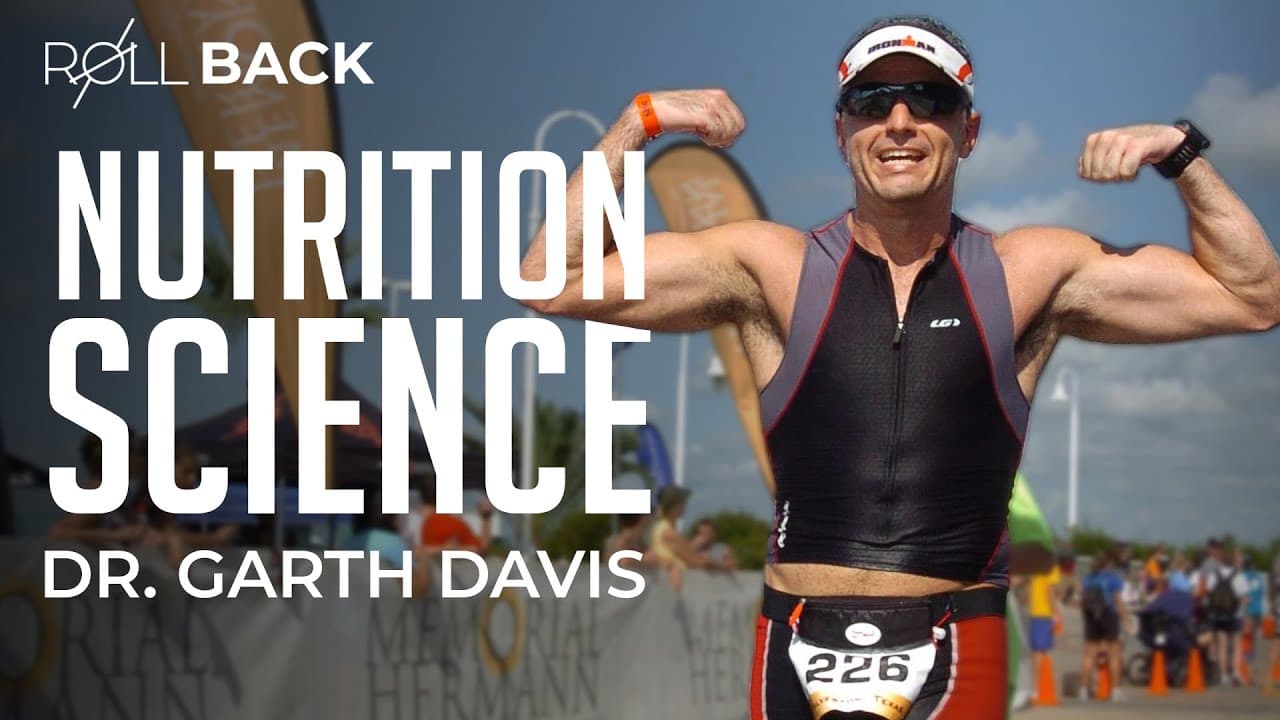
hey everybody welcome to another rollback today we're rolling back the clock all the way to May of 2015. to discuss our misplaced obsession with a little macronutrient you might have heard of called protein and we're doing it with Dr Garth Davis Dr Davis is a veteran weight loss surgeon and obesity medicine specialist who after years and years of p... Read More
Key Insights
- Processed meat consistently appears linked to negative health outcomes in multiple studies.
- The the ethics of science involve publisher incentives, which can bias what gets studied and published.
- Correlation does not equal causation, and multivariate analyses help control confounding factors.
- Randomized controlled trials are rare for long term diet studies, so researchers rely on large cohort data.
- Plant based diets show potential benefits for weight and health when emphasizing whole foods.
- Different animal products carry different health risks, and dairy or red meat patterns differ in disease associations.
- Understanding statistics and study design is essential to interpret nutrition research correctly.
- Vegan and plant based diets require attention to fiber, B12, and other nutrients to be healthful.
- More videos from this channel:
- More from this channel: Rich Roll
Install to Summarize YouTube Videos and Get Transcripts
Explore YouTube Video Summarizer or Get YouTube Transcript Extractor
Questions & Answers
Q: What is the main reason scientists struggle with nutrition claims in media
The core difficulty is that researchers operate in a publishing environment where studies are published to advance careers, and poorly designed or small studies can be amplified through media without proper context. This creates a landscape where headlines misrepresent the nuance of evidence, leading to simplified and sometimes misleading conclusions about diet and health. Readers should look for consistency across large studies and consider confounding factors when evaluating claims.
Q: Why are large cohort studies like Epic important in nutrition science
Large cohort studies follow hundreds of thousands of people over many years, tracking dietary patterns and disease outcomes across diverse populations. They provide a broad view that can reveal associations not visible in small trials. While not proving causation, these studies help identify robust and repeated patterns when multiple populations show similar results, making the findings more credible and less sensitive to single study flaws.
Q: How should one interpret correlation versus causation in diet research
Correlation indicates a relationship between two variables, but it does not prove that one causes the other. Diet research often relies on observational data where many factors change together. To draw stronger conclusions, researchers use multivariate regression to adjust for confounders, look for consistent patterns across studies, and weigh the strength and plausibility of biological mechanisms behind observed associations.
Q: What does the speaker say about processed meats
Processed meats are repeatedly linked with negative health outcomes such as heart disease and cancer in many studies. The cautions against processed meats are consistent across dietary reviews, and this class of foods is singled out as particularly harmful within the broader discussion of meat consumption and chronic disease risk.
Q: How do different animal products affect health risk profiles
Different animal products have distinct associations with health outcomes. For example, certain meats show stronger links to cancers of particular types, while dairy and other products appear in different risk patterns. The discussion underscores that not all animal products carry the same risks, and dietary recommendations should reflect the nuanced evidence across food categories.
Q: What role does plant based nutrition play in health guidance
Plant based nutrition is framed as a viable approach for weight management and overall health when it emphasizes whole plant foods and minimizes highly processed items. The conversation suggests that a plant oriented pattern can reduce reliance on high protein myths and supports a long term sustainable diet, provided attention is given to nutrients like fiber and B12.
Q: What challenges exist when evaluating nutrition studies for personal use
individuals must navigate inconsistent reporting, variable study quality, and conflicting headlines. A careful approach includes examining study design, sample size, duration, funding sources, and replication across diverse populations. By building a base from robust, multi study evidence and understanding potential biases, a person can make more informed diet choices rather than chasing a single study’s claim.
Q: What is the practical takeaway regarding protein and health according to the discussion
The practical takeaway is to scrutinize the role of protein within the context of overall dietary patterns, prioritize plant based foods, and minimize processed meats. This approach aligns with the broader scientific consensus that long term health benefits come from balanced, evidence informed eating rather than fixating on protein quantity alone. It also encourages ongoing learning about nutrition science and staying critical of sensational claims.
Summary & Key Takeaways
-
A plant based diet is presented as a practical approach to weight loss and health that challenges the idea that high protein is always best. The discussion stresses that science is messy and that robust conclusions come from multiple large studies rather than single experiments. Emphasis is placed on avoiding processed meats and considering overall dietary patterns.
-
The host explains that researchers publish for career reasons and that reviews can mislead when not interpreted in context. He urges readers to learn statistics and understand confounding factors, rather than accepting simple cause and effect claims about nutrition.
-
A nuanced view of vegan and plant based eating is offered, noting variability in fiber intake and the need for foods like B12 in some cases. The conversation covers how different meat types relate to various cancers and heart disease, highlighting that not all animal products carry the same risk.
Read in Other Languages (beta)
Share This Summary 📚
Summarize YouTube Videos and Get Video Transcripts with 1-Click
Try YouTube Summary with ChatGPT & Claude or YouTube Transcript Generator
Explore More Summaries from Rich Roll 📚





Summarize YouTube Videos and Get Video Transcripts with 1-Click
Try YouTube Summary with ChatGPT & Claude or YouTube Transcript Generator