How to Manage Stress Effectively
TL;DR
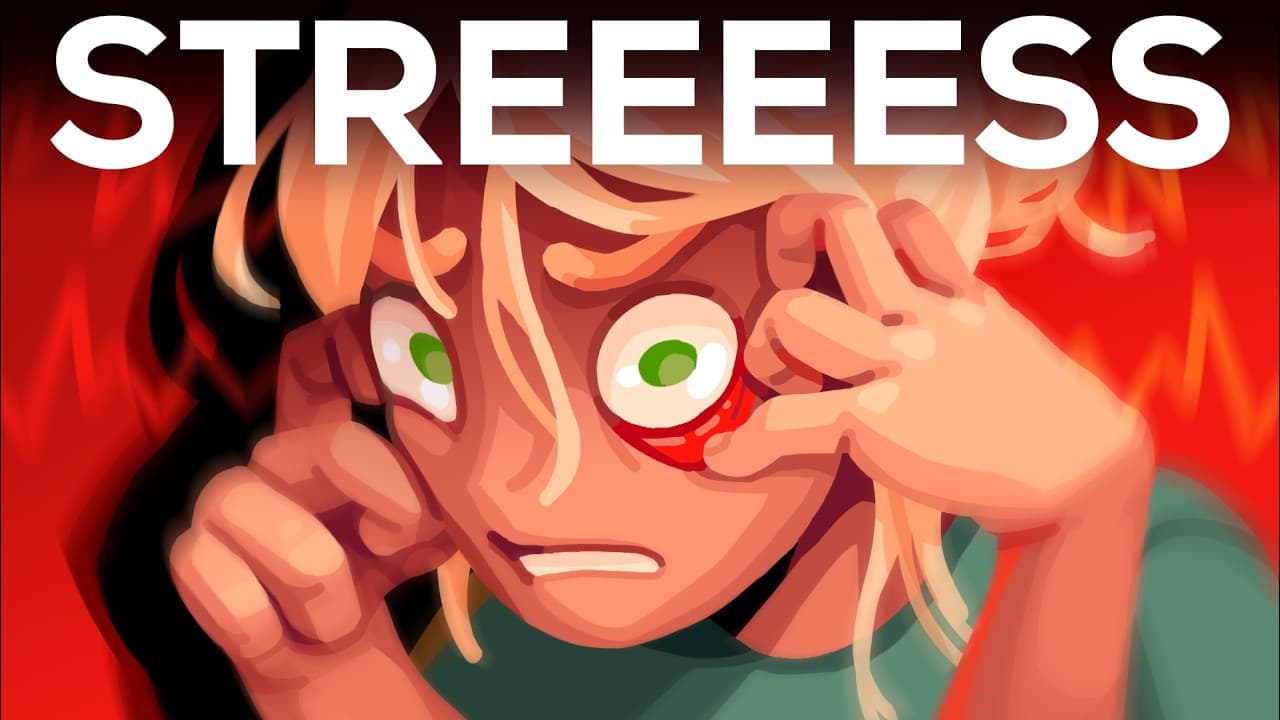
Stress is a biological response that evolved to help us survive, but in modern life, it often becomes chronic and harmful. To use stress positively, incorporate relaxation techniques, eliminate unnecessary stressors, and seek help when needed. Mindfulness practices and lifestyle changes can mitigate stress's negative impacts, preserving your health and well-being.
Transcript
Stress is an ancient superpower that is slowly killing you. It evolved as one of the most powerful tools for survival but has turned into a double edged sword in the modern world. It grants your wish to rise to a gnarly challenge or to work harder – but claims a chunk of your life force in return. Unless you learn how to use it right. What is st... Read More
Key Insights
- Stress is an ancient survival mechanism that prioritizes immediate survival by activating the 'fight or flight' response.
- Modern stressors are often abstract and persistent, unlike the physical threats faced by our ancestors.
- Chronic stress results from prolonged activation of the stress response, leading to severe health issues.
- Adrenaline and cortisol are key hormones involved in the stress response, affecting various body systems.
- Chronic stress weakens the immune system, disrupts metabolism, and increases the risk of heart disease.
- Mindfulness practices like meditation and yoga can effectively reduce stress levels.
- Eliminating or reducing exposure to stressors is the most effective way to manage stress.
- Active relaxation and taking breaks are crucial to prevent stress from becoming harmful.
Install to Summarize YouTube Videos and Get Transcripts
Explore YouTube Video Summarizer or Get YouTube Transcript Extractor
Questions & Answers
Q: What are the main effects of chronic stress on the body?
Chronic stress leads to the continuous activation of the body's 'fight or flight' response, causing issues like muscle tension, headaches, digestive problems, and increased fat storage. It also weakens the immune system, disrupts metabolism, and increases the risk of cardiovascular diseases, ultimately leading to deteriorated physical and mental health.
Q: How does stress affect cognitive abilities?
Under chronic stress, the brain prioritizes quick reactions over calm reflection, impairing clear thinking and decision-making. This can lead to impulsive actions and poor problem-solving. Over time, chronic stress can diminish memory and cognitive abilities, increasing risks of anxiety and depression, trapping individuals in a cycle of stress and impaired mental function.
Q: What are effective ways to manage stress?
Effective stress management includes practicing mindfulness, such as meditation or yoga, to calm the body's stress response. It's also important to actively relax through activities like socializing, exercise, or nature walks. Identifying and eliminating stressors, when possible, and seeking help from friends, family, or professionals can significantly reduce stress levels.
Q: Why is stress considered both a superpower and a curse?
Stress is a superpower because it enhances performance by providing energy and focus in challenging situations. However, it's a curse when it becomes chronic, as prolonged stress leads to health deterioration. Balancing stress's positive effects with adequate relaxation and recovery is crucial for maintaining health and well-being.
Q: What role do adrenaline and cortisol play in the stress response?
Adrenaline and cortisol are hormones that orchestrate the body's stress response. Adrenaline provides a quick surge of energy and focus, activating 'fight or flight' mode. Cortisol manages prolonged stress by reallocating energy resources and suppressing non-essential functions. Together, they prepare the body to face immediate threats, but prolonged exposure leads to health issues.
Q: How can mindfulness practices reduce stress?
Mindfulness practices, like meditation and yoga, help reduce stress by calming the mind and body, promoting relaxation, and improving emotional regulation. These practices encourage awareness of the present moment, reducing the impact of stressors and helping the brain differentiate between real and perceived threats, ultimately lowering stress levels.
Q: What is the impact of modern stressors compared to ancient ones?
Modern stressors are often abstract, persistent, and numerous, unlike the immediate physical threats faced by our ancestors. This leads to chronic stress, as the stress response is continuously activated without physical resolution. Unlike ancient stressors, modern ones don't require immediate physical action, making stress management more challenging and crucial for health.
Q: How can eliminating stressors improve stress management?
Eliminating stressors reduces the frequency and intensity of stress responses, allowing the body to return to a balanced state more easily. Identifying and removing sources of stress, such as negative social media or toxic environments, can significantly lower stress levels, preventing the adverse health effects associated with chronic stress and improving overall well-being.
Summary & Key Takeaways
-
Stress evolved as a survival mechanism, activating 'fight or flight' responses to immediate threats. In modern life, stressors are often more abstract, leading to chronic stress that harms health. Managing stress involves understanding its effects, using mindfulness, and reducing stressors.
-
Chronic stress affects the body by overactivating 'fight or flight' systems and suppressing 'rest and digest' functions. This leads to health issues like weakened immunity, heart disease, and cognitive decline. Effective stress management includes relaxation techniques and lifestyle changes.
-
To manage stress healthily, focus on relaxation, eliminate unnecessary stressors, and seek support. Mindfulness practices help mitigate stress, while lifestyle adjustments like regular breaks and self-care maintain balance. Understanding stress's role allows for its positive use without adverse effects.
-
(Content reviewed on 2026-08-27.)
Read in Other Languages (beta)
Share This Summary 📚
Summarize YouTube Videos and Get Video Transcripts with 1-Click
Try YouTube Summary with ChatGPT & Claude or YouTube Transcript Generator
Explore More Summaries from Kurzgesagt – In a Nutshell 📚

Summarize YouTube Videos and Get Video Transcripts with 1-Click
Try YouTube Summary with ChatGPT & Claude or YouTube Transcript Generator