How Does Triple Therapy Transform Diabetes Treatment?
TL;DR
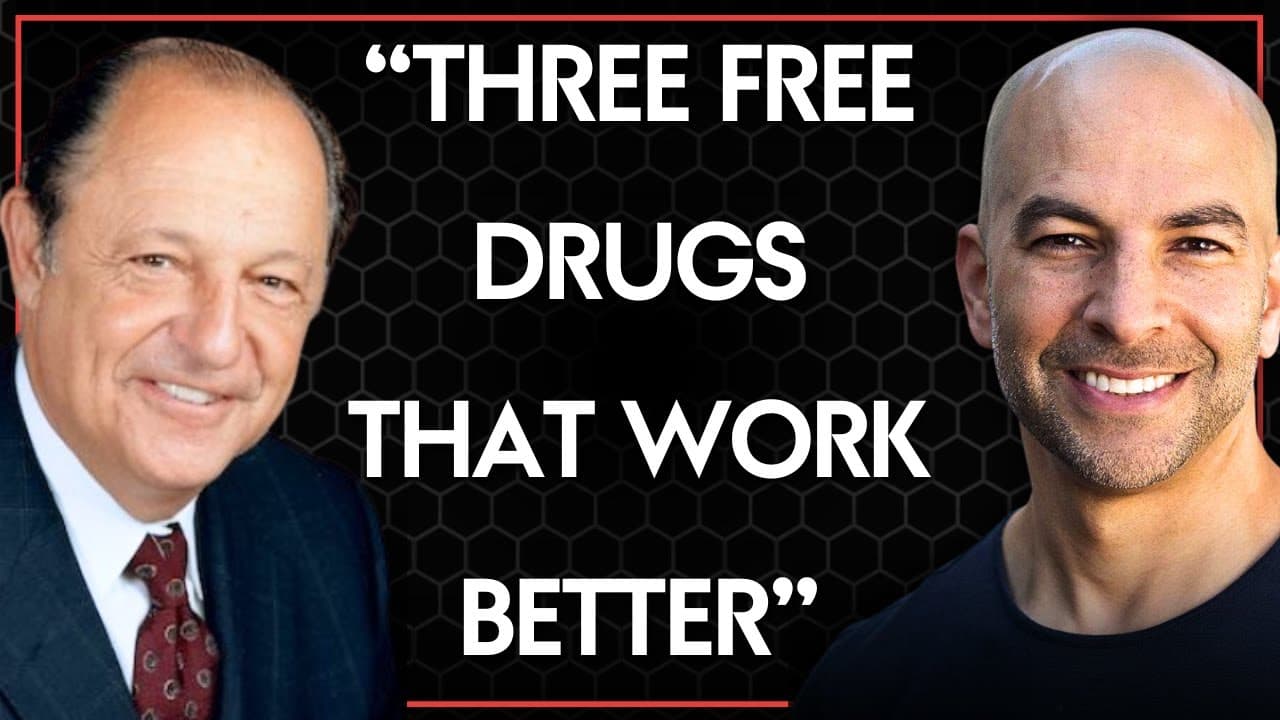
Triple therapy—combining metformin, exenatide, and pioglitazone—substantially enhances diabetes management, achieving better A1C results than traditional methods. Research indicates that 70% of patients on this regimen reach target A1C levels, highlighting the necessity to rethink current treatment strategies and embrace older, more cost-effective medications.
Transcript
the classic study which we'll talk about which to me should change the entire approach to treating diabetes it's called the EDI study and in the edict study what we did is we used triple therapy right from the beginning and my my my point of the Banting lecture the ominous octet if you have eight problems why in the world you think one drug is goin... Read More
Key Insights
- The EDICT study suggests that using triple therapy from the beginning of diabetes treatment can significantly improve patient outcomes compared to traditional methods.
- Triple therapy includes metformin, exenatide, and pioglitazone, which are more effective and affordable compared to newer, expensive medications.
- The study found that 70% of patients using triple therapy achieved an A1C level of less than 6.5, compared to only 29% with the standard ADA approach.
- The ADA's approach, which starts with metformin and adds other drugs as needed, showed zero improvement in insulin sensitivity and beta cell function.
- The cost of insulin and newer diabetes drugs is a significant factor in treatment choices, despite evidence supporting the efficacy of older, cheaper drugs.
- Pioglitazone, despite causing some weight gain, is an effective insulin sensitizer and can be offset by modern GLP-1 drugs to manage weight.
- The podcast emphasizes the importance of understanding pathophysiology in treating diabetes effectively, rather than relying solely on medication costs and conventional methods.
- Clinical research and pathophysiological measurements support the efficacy of triple therapy in managing diabetes and improving patient outcomes.
Install to Summarize YouTube Videos and Get Transcripts
Explore YouTube Video Summarizer or Get YouTube Transcript Extractor
Questions & Answers
Q: What is the EDICT study and its significance?
The EDICT study investigates the effectiveness of using triple therapy—metformin, exenatide, and pioglitazone—from the onset of diabetes treatment. It found that this combination significantly improves patient outcomes, with 70% achieving an A1C level below 6.5, compared to 29% with the traditional ADA approach. This suggests a potential shift in diabetes treatment strategies.
Q: How does triple therapy compare to the ADA approach?
Triple therapy, which includes metformin, exenatide, and pioglitazone, shows superior results compared to the ADA approach, which typically starts with metformin and adds other drugs as needed. The EDICT study found that triple therapy resulted in better insulin sensitivity and beta cell function, leading to a higher percentage of patients achieving target A1C levels.
Q: Why is there resistance to adopting triple therapy in diabetes treatment?
Resistance to adopting triple therapy may stem from the medical community's adherence to traditional methods, pharmaceutical marketing of newer drugs, and the perceived complexity of managing a combination therapy. Additionally, the cost and side effects of pioglitazone, such as weight gain, contribute to hesitancy, despite its proven efficacy in improving patient outcomes.
Q: What are the cost implications of using older diabetes drugs?
Older diabetes drugs, such as those used in triple therapy, are significantly cheaper than newer medications. Metformin is free, exenatide is nearly free, and pioglitazone costs around $5 a month. Despite their affordability and effectiveness, newer, more expensive drugs are often preferred due to pharmaceutical marketing and perceived advancements in treatment.
Q: How does pioglitazone contribute to diabetes management?
Pioglitazone is an effective insulin sensitizer, improving insulin sensitivity and beta cell function. Despite causing some weight gain, its benefits in managing diabetes are significant. When combined with modern GLP-1 drugs, weight gain can be offset, making pioglitazone a valuable component of triple therapy in diabetes management.
Q: What role does pathophysiology play in diabetes treatment?
Understanding pathophysiology is crucial in diabetes treatment, as it involves correcting underlying abnormalities rather than just managing symptoms. The podcast emphasizes that a scientific approach, focusing on pathophysiology, leads to better patient outcomes and more effective treatment strategies, as demonstrated by the success of triple therapy in the EDICT study.
Q: What are the long-term benefits of triple therapy for diabetes patients?
Triple therapy offers long-term benefits by improving insulin sensitivity and beta cell function, resulting in better control of blood glucose levels. The EDICT study showed that this approach leads to sustained improvements in A1C levels, reducing the risk of complications associated with diabetes, such as cardiovascular disease, kidney disease, and neuropathy.
Q: How does the podcast view the current pace of medical advancements in diabetes treatment?
The podcast criticizes the slow pace of medical advancements in diabetes treatment, attributing it to adherence to traditional methods and pharmaceutical interests. It advocates for a more evidence-based approach, emphasizing the efficacy of older, cheaper drugs, as demonstrated by the EDICT study, to improve patient outcomes and reduce healthcare costs.
Summary & Key Takeaways
-
The EDICT study demonstrates that starting diabetes treatment with a combination of metformin, exenatide, and pioglitazone significantly improves patient outcomes. This approach, known as triple therapy, results in better A1C levels compared to the traditional ADA method, which often leads to treatment failure.
-
Despite the effectiveness of triple therapy, newer diabetes medications are often preferred due to their perceived efficacy and pharmaceutical marketing. The podcast argues for the use of older, cheaper drugs, which have shown to be just as effective, if not more so, in managing diabetes.
-
The discussion highlights the disconnect between clinical research findings and standard medical practices. The podcast advocates for a shift in diabetes treatment strategies to include triple therapy, emphasizing the importance of understanding the underlying pathophysiology of the disease.
Read in Other Languages (beta)
Share This Summary 📚
Summarize YouTube Videos and Get Video Transcripts with 1-Click
Try YouTube Summary with ChatGPT & Claude or YouTube Transcript Generator
Explore More Summaries from Peter Attia MD 📚






Summarize YouTube Videos and Get Video Transcripts with 1-Click
Try YouTube Summary with ChatGPT & Claude or YouTube Transcript Generator