Why Did Trump Target Perkins Coie, and How Did the Law Firm Fight Back? ft. Liz Dye
TL;DR
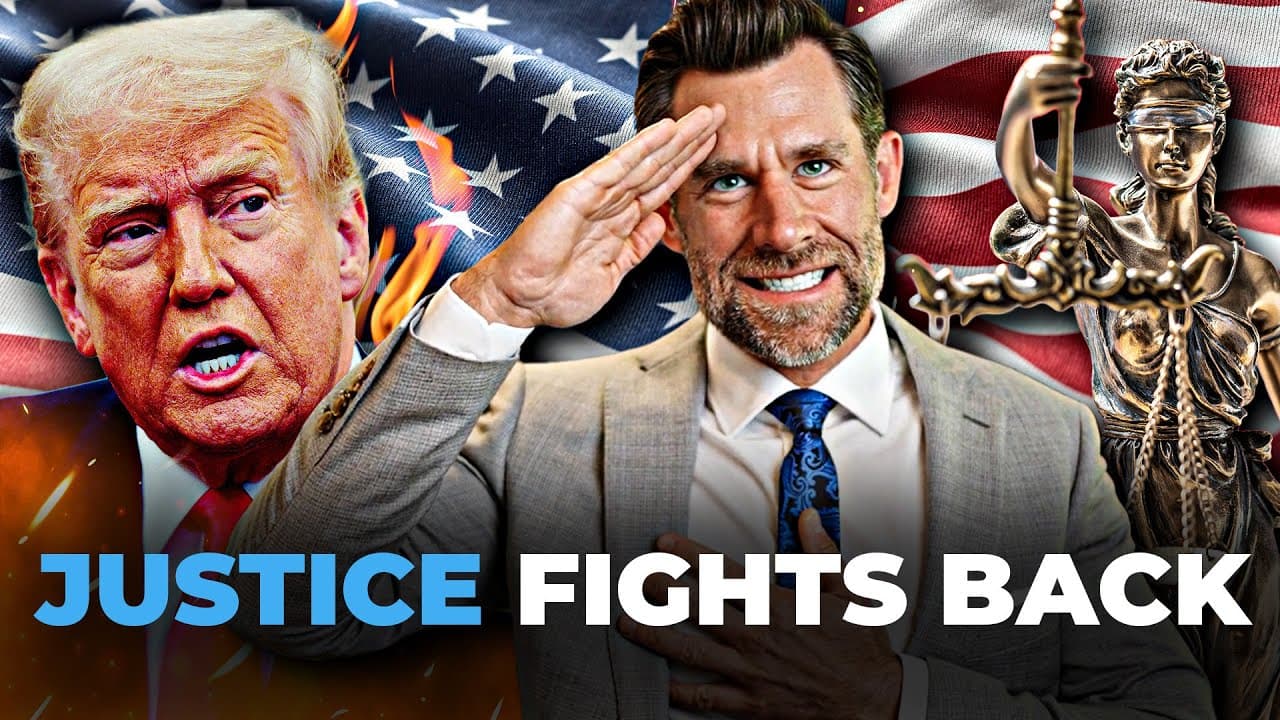
Trump targeted Perkins Coie because of its work for Hillary Clinton and the DNC, its voting-rights litigation, its DEI commitments, and its challenges to his administration. His March 6 executive order sought to cut the firm off from federal engagements and organizations doing business with the government, but a federal judge immediately enjoined it. Read on for Liz Dye’s explanation of the order, the constitutional objections, and the stakes for legal representation.
Transcript
- After being overwhelmed with the Trump administration's flood the zone legal strategy of just do all the illegal and unconstitutional stuff all at once. And while things are falling through the cracks, lawyers are having a surprising amount of success in getting the Trump administration enjoined from conducting its utterly lawless actions. As Whi... Read More
Key Insights
- Trump issued executive orders against law firms Perkins Coie and Paul, Weiss, accusing them of dishonest activities.
- The orders were designed to bar these firms from engaging with the federal government, effectively a death penalty for their business.
- Perkins Coie and other firms faced challenges in finding representation due to fear of Trump's retaliation.
- The orders were deemed unconstitutional, violating separation of powers and First Amendment rights.
- Judge Beryl Howell granted a temporary restraining order against Trump's executive order on Perkins Coie.
- The legal community expressed concern over the chilling effect on representing clients unpopular with the administration.
- Trump's actions were seen as a misuse of presidential power, aiming to punish legal opposition.
- The case highlights the critical role of the judiciary in checking executive overreach and protecting legal rights.
Install to Summarize YouTube Videos and Get Transcripts
Explore YouTube Video Summarizer or Get YouTube Transcript Extractor
Questions & Answers
Q: Why did Trump target the law firm Perkins Coie?
Trump objected to Perkins Coie’s representation of Hillary Clinton and the Democratic National Committee during the 2016 election, including its connection to Fusion GPS and the Steele dossier. His executive order also criticized the firm’s DEI commitments, voting-rights litigation, and lawsuits against his administration.
Q: What did Trump’s executive order against Perkins Coie do?
Signed on March 6, the order imposed sanctions and barred the federal government from engaging with Perkins Coie. It also purported to prevent organizations doing business with the federal government from engaging the firm.
Q: Why was Trump’s order described as a functional death penalty for the firm?
The order reached beyond federal agencies to organizations that do business with the government. Because the transcript says more or less every large American corporation does government business, the restriction threatened Perkins Coie’s ability to retain major corporate clients.
Q: How did the court respond to the Perkins Coie executive order?
A federal judge immediately enjoined the order and said it sent chills up her spine. The existing page summary identifies Judge Beryl Howell as granting a temporary restraining order against it.
Q: What constitutional objections were raised against the executive order?
The page identifies violations of the First Amendment and the separation of powers. Liz Dye specifically characterizes the attack on Perkins Coie’s DEI commitments as viewpoint discrimination and argues that punishing lawyers because of their clients is improper.
Q: What is Perkins Coie?
Perkins Coie is a law firm founded in Seattle in 1912 by a retiring federal judge and a former U.S. attorney. The transcript describes it as the Pacific Northwest’s largest firm, with 21 offices and about 2,500 employees.
Q: Which major companies has Perkins Coie represented?
Its lawyers have represented Google, Meta, Twitter, Amazon, Microsoft, and Intel. The transcript notes that all of these companies do business with the federal government, illustrating the order’s potential commercial reach.
Q: What was Perkins Coie’s connection to the Steele dossier?
In 2016, Perkins Coie attorney Marc Elias represented Hillary Clinton and the DNC and agreed to continue opposition research that Fusion GPS had previously conducted for the Washington Free Beacon. Fusion GPS then hired former MI-6 agent Chris Steele, whose work became known as the Steele dossier.
Summary & Key Takeaways
-
Trump's executive orders targeted law firms like Perkins Coie, accusing them of dishonest and dangerous activities. These orders aimed to bar the firms from federal engagements, threatening their business operations. However, the orders were challenged in court and deemed unconstitutional, violating the separation of powers and First Amendment rights.
-
The legal battle highlighted the misuse of presidential power to punish legal opposition and suppress dissent. Judge Beryl Howell granted a temporary restraining order, emphasizing the importance of maintaining the integrity of the legal system and protecting lawyers' rights to represent their clients without fear of retaliation.
-
The case underscored the chilling effect on the legal community, as many firms hesitated to represent Perkins Coie due to potential repercussions. The outcome reaffirmed the judiciary's crucial role in checking executive overreach and safeguarding democratic principles, ensuring that legal representation remains free from political intimidation.
Read in Other Languages (beta)
Share This Summary 📚
Summarize YouTube Videos and Get Video Transcripts with 1-Click
Try YouTube Summary with ChatGPT & Claude or YouTube Transcript Generator
Explore More Summaries from LegalEagle 📚

Summarize YouTube Videos and Get Video Transcripts with 1-Click
Try YouTube Summary with ChatGPT & Claude or YouTube Transcript Generator