How to spread ideas through PR and comms effectively
TL;DR
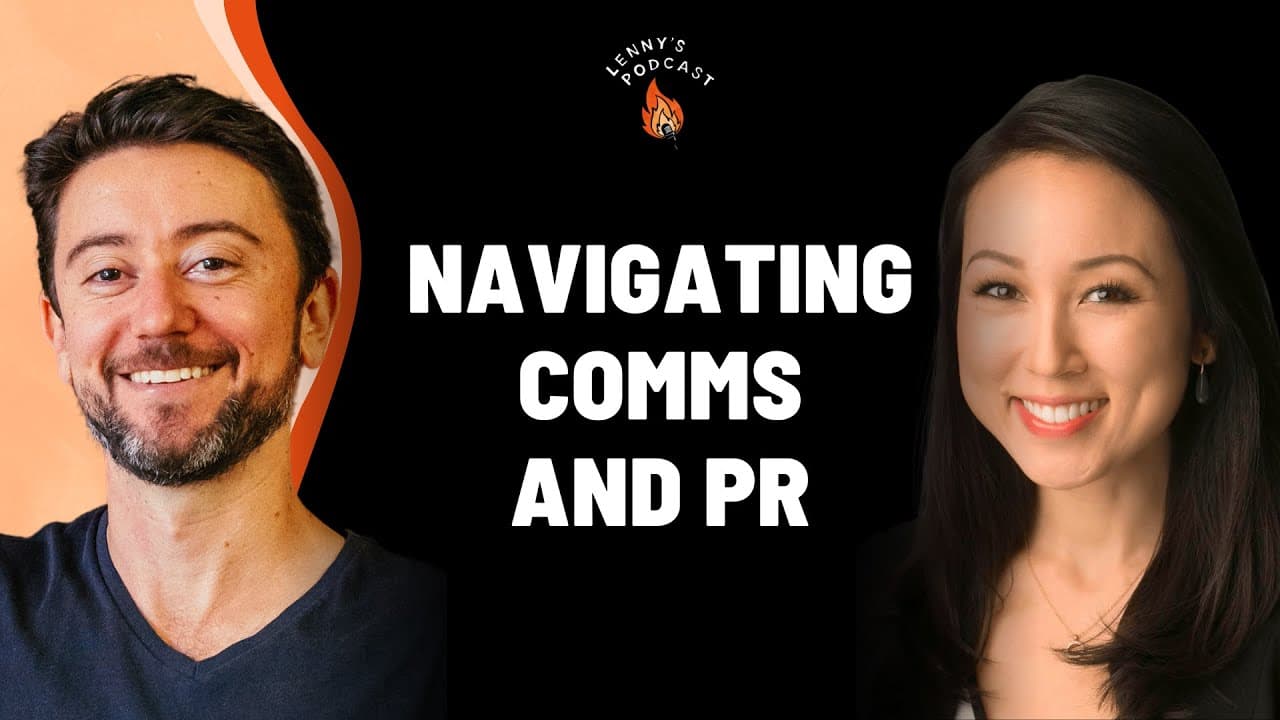
The core is making ideas memorable and easy to repeat. Tie your message to what the audience already cares about, use clear analogies or jokes, and avoid inside jokes that require context. Focus on storytelling over adjectives and craft a simple, repeatable framework that fits the audience’s worldview.
Transcript
I often say to find your audience's cultural erogenous zones so what it means is people have things that they either care about or don't and you're not going to change that so it's a huge lift to try to change someone's world view or their passions it's a light lift to take the thing you want to talk about and just shape it into to fit into their w... Read More
Key Insights
- X is the audience you must respect and understand to spread an idea effectively.
- The key to spreading a message is making it something people want to say and share, not just something a company wants to push.
- The concept of cultural erogenous zones helps identify where audiences are already primed to engage with related ideas.
- A mental image or vivid metaphor improves recall and repeatability of a message.
- A simple, repeatable line or analogy reduces cognitive load and increases spread potential.
- Stories and anecdotes make messages more shareable than adjectives or abstract terms.
- Taking calculated risks in comms can generate attention, but missteps can backfire if context is missing.
- Learning from failures is crucial, as a misaligned metaphor can derail the broader message.
- More videos from this channel:
- More from this channel: Lenny's Podcast
Install to Summarize YouTube Videos and Get Transcripts
Explore YouTube Video Summarizer or Get YouTube Transcript Extractor
Questions & Answers
Q: What makes an idea spreadable in PR and comms?
An idea spreads when it is memorable and worth repeating by the audience. To achieve this you align the message with what people already care about, craft a vivid analogy or joke, and present it in a simple, digestible way. The goal is to create a bridge from audience passion to your concept so sharing feels natural.
Q: How should you identify your natural audience?
Identify your natural audience by mapping who already cares about related topics and who would benefit from your offer. Focus on those people and craft messaging that fits their worldview. If a group does not align with your core idea, it may be better to conserve energy and pursue a different audience instead of forcing a fit.
Q: What is the role of analogies in messaging?
Analogies help translate complex ideas into familiar concepts, reducing cognitive load and increasing recall. A strong analogy creates a quick, vivid picture that listeners can repeat. Used consistently, it forms a recognizable framework that anchors the message in public conversation.
Q: What is a bad example of a messaging misstep to avoid?
Avoid inside jokes or metaphors that only make sense to the creators. When a metaphor requires context the broader audience lacks, it can derail the message and reduce engagement. A failed metaphor often shows up as a sharp drop in resonance and shares.
Q: How can you make a message more memorable for a broad audience?
Make the message easy to explain to a child, strip away clichés, and use imagery or a joke that lands quickly. Repetition of a simple, clear line helps it become second nature to hearers, increasing the chance they will repeat it in conversations.
Q: What is the cautionary example Lulu shared about misfired messaging?
Lulu described a thread that started strong but included an inside joke from a New Yorker reference that did not translate to the audience. The result was confusion and disengagement mid-thread, illustrating how context misalignment can undercut a larger otherwise successful message.
Q: Why is it important to take risks in communications?
Risks can generate attention and set a brand apart, especially when your message aligns with audience passions in a surprising way. However, risks must be calculated and contextualized within the audience’s worldview to avoid alienating listeners or creating unintended backlash.
Q: What should founders do to improve their PR outcomes according to the interview?
Founders should study how ideas spread, identify a concrete audience, and craft concise, repeatable phrases or analogies. They should test messaging, learn from missteps, and iterate quickly. Prioritize storytelling over generic adjectives and aim for a message that people can share naturally in everyday life.
Summary & Key Takeaways
-
Lulu emphasizes that ideas spread when they are memorable and shareable, which hinges on aligning with audience passions and crafting an accessible bridge from X to Y.
-
The conversation covers practical frameworks like cultural erogenous zones, concentric audience reach, and using analogies or jokes to make messages sticky.
-
The episode also includes reflections on risks and missteps in comms, highlighting the importance of context, timing, and audience understanding for successful messaging.
Read in Other Languages (beta)
Share This Summary 📚
Summarize YouTube Videos and Get Video Transcripts with 1-Click
Try YouTube Summary with ChatGPT & Claude or YouTube Transcript Generator
Explore More Summaries from Lenny's Podcast 📚



Summarize YouTube Videos and Get Video Transcripts with 1-Click
Try YouTube Summary with ChatGPT & Claude or YouTube Transcript Generator