How to Run Effective Meetings That Participants Enjoy
TL;DR
To run effective meetings, follow the 40-20-40 Rule: spend 40% of the time on preparation, 40% on follow-up, and only 20% on the actual meeting. Key strategies include using the Go/No-Go test for necessity, inviting only essential participants, setting clear objectives, and employing inclusive facilitation methods to engage everyone involved.
Transcript
recently an mit article took the saying that meeting could have been an email to a whole another level by coining a new phrase meeting recovery syndrome where employees lose additional time mentally recovering from a bad meeting damn although very few of us have formal training in meeting management skills we can all apply tips from the 40 20 40 ru... Read More
Key Insights
- ❓ Prioritize meeting preparation and follow-up over the meeting itself.
- 😒 Use the Go/No-Go test to determine meeting necessity.
- ❓ Invite only essential participants to avoid unnecessary attendees.
- 😫 Set clear objectives and context for each meeting.
- ❓ Pre-align with participants to address concerns beforehand.
- 😒 Use inclusive facilitation tools like Mentimeter or Slido.
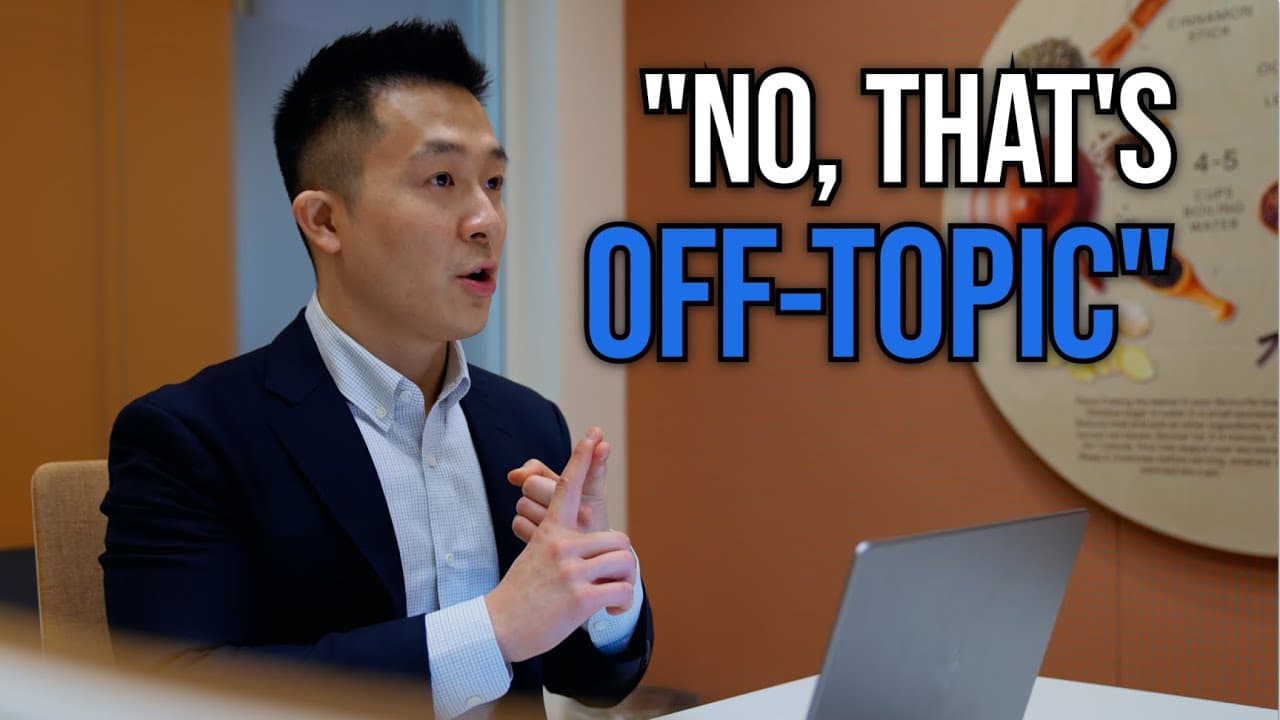
- 🧑✈️ Utilize the parking lot for off-topic discussions during meetings.
Install to Summarize YouTube Videos and Get Transcripts
Explore YouTube Video Summarizer or Get YouTube Transcript Extractor
Questions & Answers
Q: What is the 40-20-40 Rule for meetings?
The 40-20-40 Rule involves spending 40% of time preparing for meetings, another 40% on follow-up, and only 20% on the actual meeting itself.
Q: How can the Go/No-Go test help determine meeting necessity?
The Go/No-Go test ensures meetings are essential by checking for the need for updates, key decision-makers' availability, and real-time feedback requirements.
Q: Why is it important to have clear objectives and context for meetings?
Clear objectives and context help participants understand the meeting's purpose, respect their time, and ensure focused discussions with actionable outcomes.
Q: How can pre-alignment improve meeting effectiveness?
Pre-aligning with participants before meetings helps address concerns in advance, leading to more productive discussions and better buy-in from colleagues.
Summary & Key Takeaways
-
The 40-20-40 Rule emphasizes spending time preparing and following up, not just during the meeting.
-
Tips include the Go/No-Go test for meeting necessity, inviting only essential participants, and setting clear objectives and context.
-
Using pre-alignment, inclusive facilitation, and parking lot techniques can improve meeting effectiveness.
Read in Other Languages (beta)
Share This Summary 📚
Summarize YouTube Videos and Get Video Transcripts with 1-Click
Try YouTube Summary with ChatGPT & Claude or YouTube Transcript Generator
Explore More Summaries from Jeff Su 📚


Summarize YouTube Videos and Get Video Transcripts with 1-Click
Try YouTube Summary with ChatGPT & Claude or YouTube Transcript Generator