What Is Toxicology and How Does Dose Affect Exposure?
TL;DR
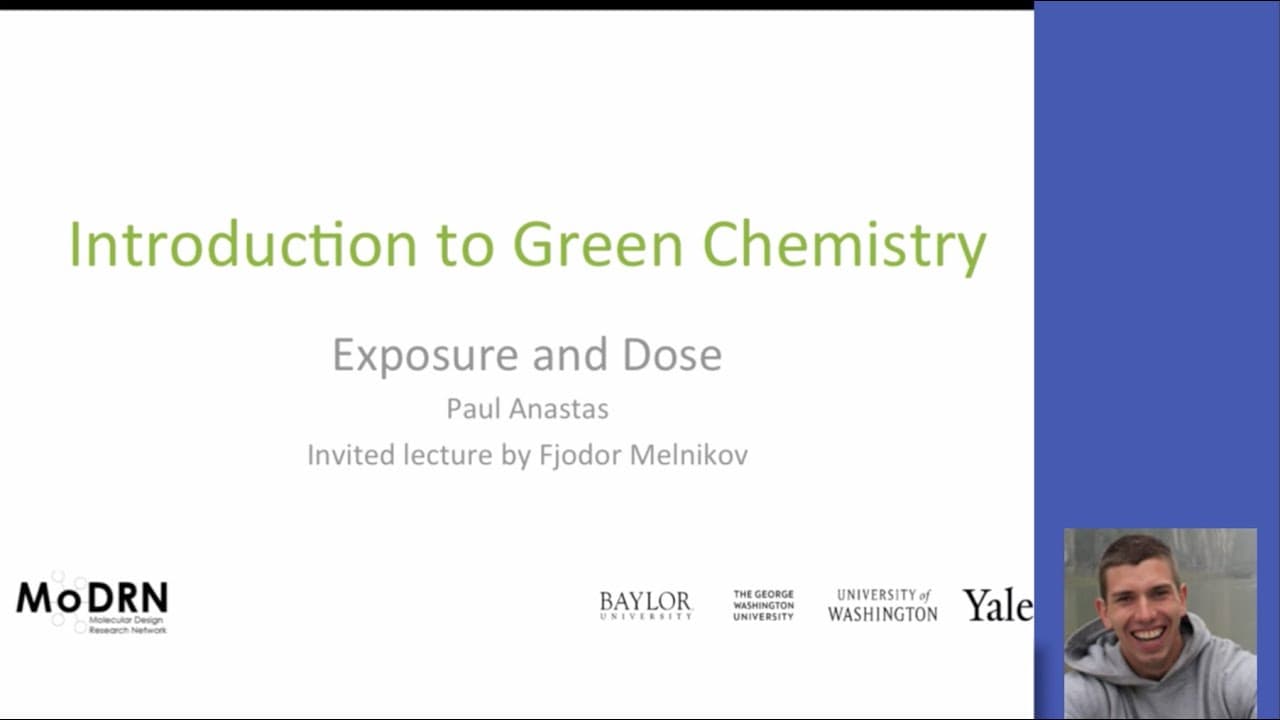
Toxicology examines how exposure to substances impacts health, with the dose of a substance being key to its effects. Different exposure types—oral, inhalation, dermal, and parenteral—affect how substances are absorbed in the body. A higher dose or frequency of exposure increases the likelihood of adverse effects, as seen with even common substances like water or salt at excessive levels.
Transcript
so what is exposure as you can see here exposure is the contact with the substance of change in the physical environment while changes in physical environment occur we can hardly control them at least not worldwide if it's cold outside you better bundle up and prepare for the cold can't quite change the weather as you play on the beach you are expo... Read More
Key Insights
- 🧑🏭 Exposure to substances in the physical environment is unavoidable, but the effects can vary depending on various factors such as exposure type and duration.
- 🪸 Different routes of exposure, such as oral, inhalation, dermal, and parenteral, have different implications for substance absorption and potential harm to the body.
- 🥳 The dose of a substance, measured in milligrams per kilogram of body weight per day of exposure, plays a significant role in determining its impact on the body.
- ☠️ Parameters like the number of doses, frequency of administration, duration of contact, and absorption rates influence the amount of substance in the body.
- 💦 Even commonly consumed substances like water, sugar, or salt can be poisonous if the dose is high enough.
- ❓ Individual susceptibility to substances can vary, and not everyone will experience harmful effects from exposure to the same substance.
- 🤒 The concentration of a substance in the environment can be measured using specific units, such as ppm or milligrams per meter cubed.
Install to Summarize YouTube Videos and Get Transcripts
Explore YouTube Video Summarizer or Get YouTube Transcript Extractor
Questions & Answers
Q: What are the different types of exposure to substances in the environment?
There are four main types of exposure - oral, inhalation, dermal, and parenteral. Oral exposure includes ingesting substances through the mouth, while inhalation exposure occurs through breathing in substances. Dermal exposure refers to direct contact with the skin, and parenteral exposure bypasses natural defense mechanisms and injects substances directly into the bloodstream.
Q: How is the concentration of a substance in the environment measured?
The concentration of a substance in the environment can be measured in various units, depending on the medium. For soil, it is typically measured in milligrams of substance per kilogram of soil. For indoor and outdoor air pollution, carbon monoxide concentration is often measured in parts per million (ppm) or milligrams per meter cubed.
Q: Does exposure always result in harmful effects on the body?
No, exposure does not always result in adverse effects. The outcome of exposure depends on various factors, including the type of substance, its concentration, duration of exposure, route of exposure, and individual susceptibility. Some substances may have a threshold dose, below which no harmful effects are observed.
Q: How does dose relate to exposure?
Dose refers to the amount of substance administered at one time. Exposure and dose are closely linked, as the amount of substance in the body depends on the exposure duration, frequency, and the concentration in the environment. Doses are commonly measured in milligrams of a substance per kilogram of body weight per day of exposure.
Summary & Key Takeaways
-
Exposure to substances in the physical environment is inevitable, but its effects can vary depending on the type and duration of exposure.
-
Different types of exposure, such as oral, inhalation, dermal, and parenteral, have different pathways and implications for substance absorption.
-
The dose of a substance, which refers to the amount administered at one time, is a crucial factor in determining its potential harm to the body.
Read in Other Languages (beta)
Share This Summary 📚
Summarize YouTube Videos and Get Video Transcripts with 1-Click
Try YouTube Summary with ChatGPT & Claude or YouTube Transcript Generator
Explore More Summaries from YaleCourses 📚




Summarize YouTube Videos and Get Video Transcripts with 1-Click
Try YouTube Summary with ChatGPT & Claude or YouTube Transcript Generator