How to own the bottleneck in AI compute for leverage
TL;DR
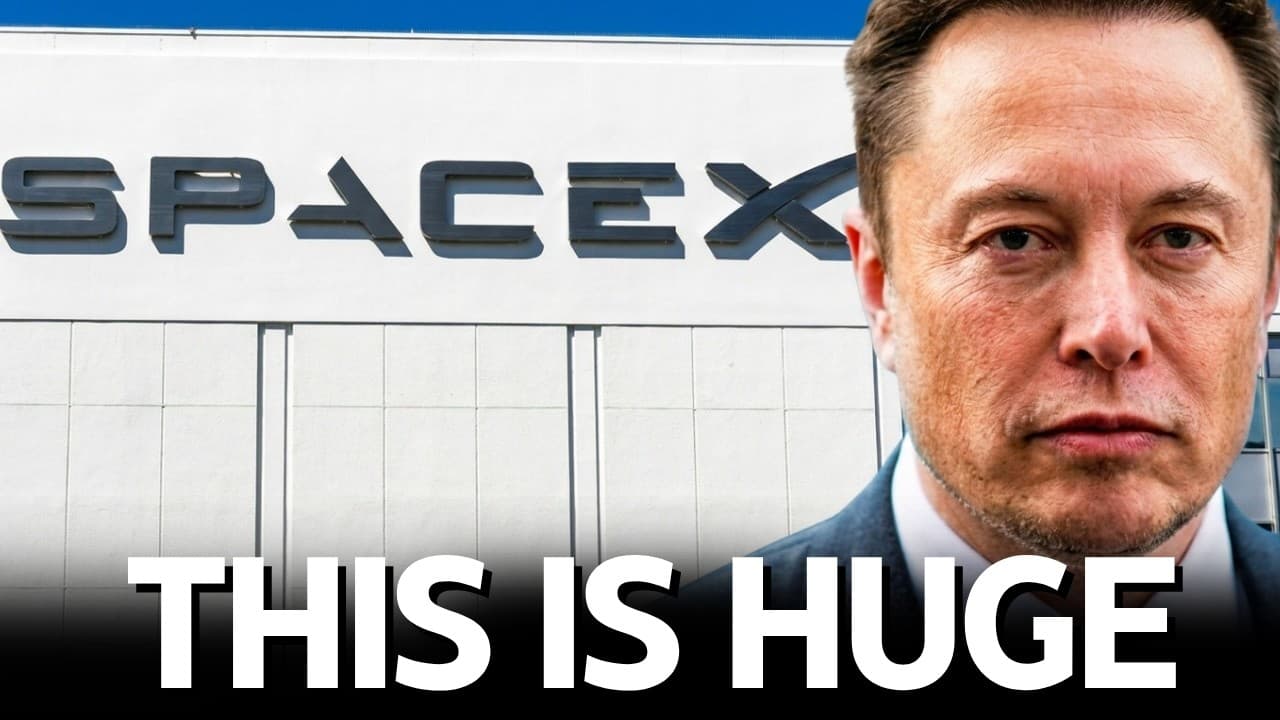
Owning scarce computing power lets you set terms and attract major customers without cutting prices. Colossus shows rent-to-use compute can become a huge revenue stream, with Anthropic and Google signing multi-billion contracts. The key lesson is that control of a critical resource reshapes competition and timelines for AI development.
Transcript
So, right now, the richest, most powerful companies on the planet are all lining up to rent from one man. Google, which owns more AI computing power than just about anyone on Earth, still has to go knocking on his door and agree to pay him nearly a billion dollars a month. Anthropic, the people behind one of the best AI models in the world, signed ... Read More
Key Insights
- AI compute is the bottleneck that decides AI progress and market speed. The scarcity of power makes control over it highly valuable and leverageable.
- Colossus demonstrates rapid build and scale through on-site power and advanced cooling, creating a unique data center infrastructure at an unprecedented pace.
- Big deals from Anthropic and Google show demand for compute can outstrip internal buildouts, turning external capacity into a strategic asset for the buyer and the supplier alike.
- Renting out compute shifts the business model from selling a product to selling access to a scarce resource, creating a durable, recurring revenue stream.
- Ownership of the bottleneck enables negotiating power, allowing the owner to shape terms, timelines, and competitive dynamics without aggressive sales pitches.
- The video frames Elon Musk not just as a hardware builder but as a gatekeeper whose control of core infrastructure redefines who wins the AI race.
- Even if the owner’s own AI product is not winning the race, the underlying asset remains valuable enough to dominate the market for compute.
- The broader market implication is that the value of AI infrastructure can surpass traditional revenue lines, such as rocket launches, when the resource is essential and scarce.
Install to Summarize YouTube Videos and Get Transcripts
Explore YouTube Video Summarizer or Get YouTube Transcript Extractor
Questions & Answers
Q: What is the core asset that gives its owner market power in AI today?
The core asset is the scarce computing power that AI companies need to train and run models. Control of this resource allows the owner to set terms, scale rapidly, and attract major customers who sign multi-billion dollar rental agreements. This bottleneck status creates leverage beyond traditional sales strategies.
Q: Who are the big customers renting Colossus and why do they matter?
Anthropic and Google are highlighted as the big customers renting Colossus. Anthropic signed up for the first Colossus site and then expanded to the second, while Google rented about 110,000 chips for roughly 920 million dollars a month. Their demand validates the platform as a critical, scalable compute resource essential for AI development.
Q: How does Colossus achieve rapid scale and cooling for so many chips?
Colossus scales by building its own gas power plants on site and piping in large amounts of liquid cooling through the dense arrangement of chips. This industrial infrastructure enables a data center the size of a traditional project to come online in weeks rather than years.
Q: What is the financial implication of combining Anthropic and Google deals?
When you add the Anthropic and Google agreements, the rental income approaches around 26 billion dollars a year. This level of recurring revenue from compute capacity dwarfs many other business lines and demonstrates the outsized financial potential of owning the bottleneck in AI infrastructure.
Q: What does Elon Musk aim to achieve with Colossus in the longer term?
Musk aims to expand the compute footprint toward 50 million H100 equivalent chips within five years, seeking to have more AI compute than everyone else. This ambition underscores the strategy of building an unrivaled scale of computational power to influence the AI race.
Q: How does the video describe the signs that the bottleneck is shifting market power?
The video explains that as compute becomes scarce, companies rush to secure capacity, signing large contracts with the owner rather than competing on price alone. This dynamic shows how control over a critical resource redefines bargaining power and market leadership across AI players.
Q: What is the contrast between the owner’s own AI project and the broader compute market?
While Elon’s own AI project is described as possibly losing its race, the owner’s ability to control the compute stack remains a critical asset. This contrast highlights that owning the resource can outlast any single product race, shaping industry outcomes regardless of the owner’s immediate competitive position.
Q: What strategic takeaway does the video offer about owning scarce resources?
The takeaway is simple: own the bottleneck and the market comes to you. By controlling the scarce resource, a company can dictate terms, deter rivals, and create a durable, scalable revenue model that outpaces traditional growth methods, making the resource a strategic cornerstone of the AI economy.
Summary & Key Takeaways
-
Colossus turns a private supercomputer into a commercial platform by renting compute to top AI players, showing the value of owning scarce hardware.
-
The deals with Anthropic and Google illustrate how fast demand can escalate when the bottleneck is in short supply and when a single owner controls essential capacity.
-
The broader insight is that owning the bottleneck can redefine strategic power in tech markets, independent of traditional sales tactics or price competition.
Read in Other Languages (beta)
Share This Summary 📚
Summarize YouTube Videos and Get Video Transcripts with 1-Click
Try YouTube Summary with ChatGPT & Claude or YouTube Transcript Generator
Explore More Summaries from David Carbutt 📚




Summarize YouTube Videos and Get Video Transcripts with 1-Click
Try YouTube Summary with ChatGPT & Claude or YouTube Transcript Generator