10 Unusual Scientific Discoveries for July 2023
TL;DR
Ten unusual scientific discoveries reported in July 2023 include thirsty plants producing ultrasonic clicks, volcanic eruptions disrupting satellite signals, and a West African vine becoming carnivorous when deprived of phosphorus. Other findings connect mammoths with elephant behavior, identify desert kites as early architectural plans, suggest octopuses may have nightmares, use dried lakebeds to inform the search for life on Mars, and explore bowhead whales’ cancer resistance. Read on for the evidence behind each discovery.
Transcript
Scientific work and discovery is progressing at a breakneck speed, with new items of interest coming in from all areas of science happening each month. So here ten wide ranging new scientific discoveries as of June of this year. Number 10. Plants Get Noisy When Thirsty Recent measurement of tomato and tobacco plants shows that plants have a... Read More
Key Insights
- 💦 Plants emit ultrasonic clicks when thirsty, suggesting a potential method for monitoring water needs in agriculture.
- 🛰️ Volcanic eruptions can disrupt satellite transmission, impacting communication and navigation systems.
- 🌱 Certain plants exhibit carnivorous behavior when deprived of specific nutrients, offering insights for sustainable agricultural practices.
- 🦣 Mammoths and elephants share genetic and behavioral similarities, providing a glimpse into the ancient interactions between humans and mammoths.
- 🌱 Desert kites are ancient structures that contain instructions, offering early examples of architectural plans.
- 🐙 Octopuses may experience nightmares, revealing possible similarities in dreaming across different species.
- 🛟 Dried lakebeds on Earth can provide insights into how microbial life adapts to extreme conditions, guiding the search for life on Mars.
- ♋ Bowhead whales possess unique genetic traits that make them resistant to cancer, potentially impacting cancer research and longevity studies.
- ✴️ Binary star systems, like SSN 7, can undergo dramatic changes, eventually leading to the merger of black holes.
Install to Summarize YouTube Videos and Get Transcripts
Explore YouTube Video Summarizer or Get YouTube Transcript Extractor
Questions & Answers
Q: How do plants signal that they need water?
Tomato and tobacco plants emit ultrasonic clicks when they are low on water or when their stems have been severed. The sounds can be detected from a distance, and different species produce distinct clicks; tomatoes also click more frequently than tobacco plants.
Q: How can volcanic eruptions disrupt satellite signals?
Volcanic eruptions can generate pressure waves that help form equatorial plasma bubbles, which interfere with radio satellite downlinks through the atmosphere. During the 2022 Tonga eruption, ash rose more than 50 kilometers and GPS signals degraded nearly halfway around the world as pressure waves propagated over Asia.
Q: Why does Tryphophyllum peltatum become carnivorous?
The West African vine Tryphophyllum peltatum produces sticky, insect-trapping leaves when it is denied phosphorus. When researchers supplied phosphorus again, the plants returned to normal and stopped producing carnivorous leaves.
Q: How were woolly mammoths similar to modern elephants?
Mammoths were closely related to Asian elephants and appear to have experienced musth, a natural period associated with sharply elevated reproductive hormones and aggression in bull elephants. In modern elephants, musth lasts about two to three months and can cause a male to lose a thousand pounds before quickly recovering.
Q: What are desert kites, and why are they significant?
Desert kites are ancient structures used to funnel animals for hunting. They also include instructions for their construction and maintenance, making them the earliest known examples of architectural plans described on the page.
Q: Do octopuses experience nightmares?
Observations of sleeping behavior in a captive octopus named Costello suggest that octopuses might experience nightmares. The finding is presented as a possibility rather than a confirmed conclusion about octopus dreaming.
Q: How can dried lakebeds help scientists investigate possible life on Mars?
Dried lakebeds on Earth, including the Tirez lagoon in Spain, show how microbial life can adapt to extreme conditions. Studying those adaptations may guide the search for microbial life on Mars.
Q: Why are bowhead whales resistant to cancer?
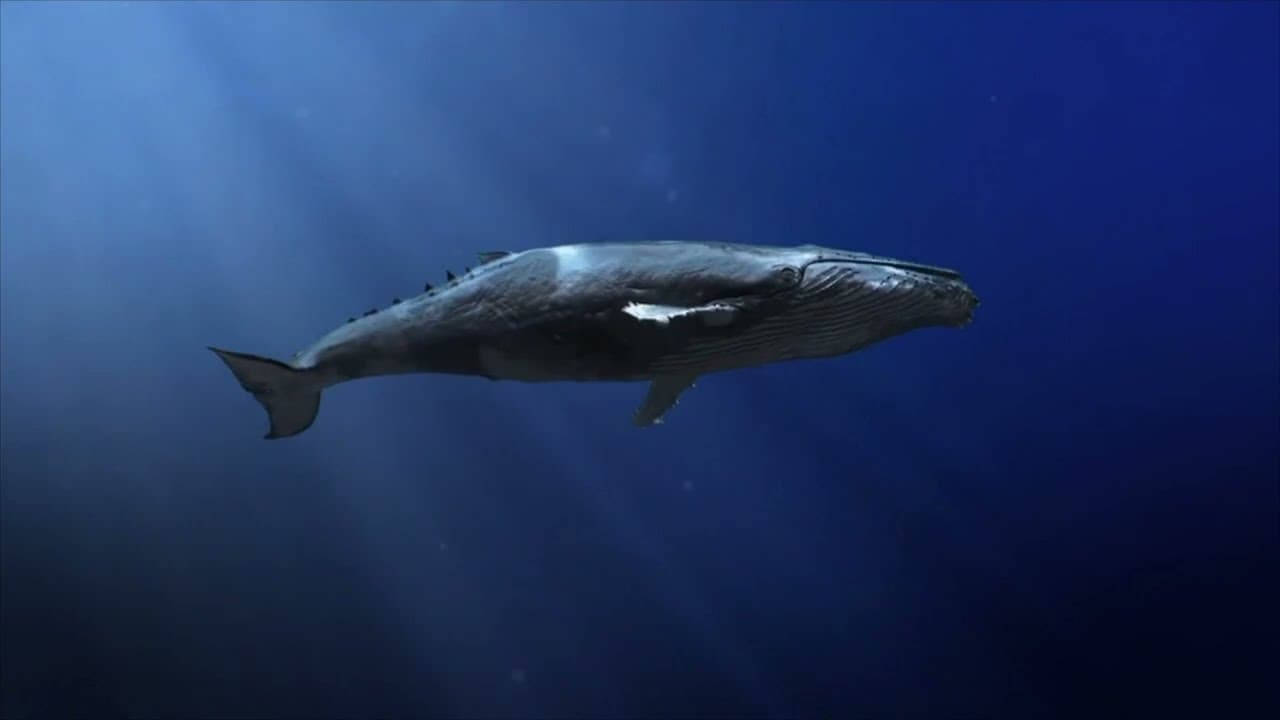
Bowhead whales have a distinctive genetic makeup that helps them repair DNA damage more effectively. That repair capability may contribute to their resistance to cancer and could inform research into cancer prevention and longevity.
Summary & Key Takeaways
-
Plants emit ultrasonic clicks when they are low on water, providing potential for agricultural efficiency and better monitoring of water usage.
-
Volcanic eruptions can disrupt satellites in low earth orbit, affecting transmission of radio satellite downlinks.
-
Certain plants, like the tryphophylium peltatum vine, turn carnivorous when low on phosphorus, potentially offering insights for future agricultural practices.
-
Bowhead whales have a unique genetic makeup that makes them resistant to cancer, potentially opening avenues for cancer prevention in humans.
Read in Other Languages (beta)
Share This Summary 📚
Summarize YouTube Videos and Get Video Transcripts with 1-Click
Try YouTube Summary with ChatGPT & Claude or YouTube Transcript Generator
Explore More Summaries from John Michael Godier 📚



Summarize YouTube Videos and Get Video Transcripts with 1-Click
Try YouTube Summary with ChatGPT & Claude or YouTube Transcript Generator