How to lose visceral fat without starving yourself
TL;DR
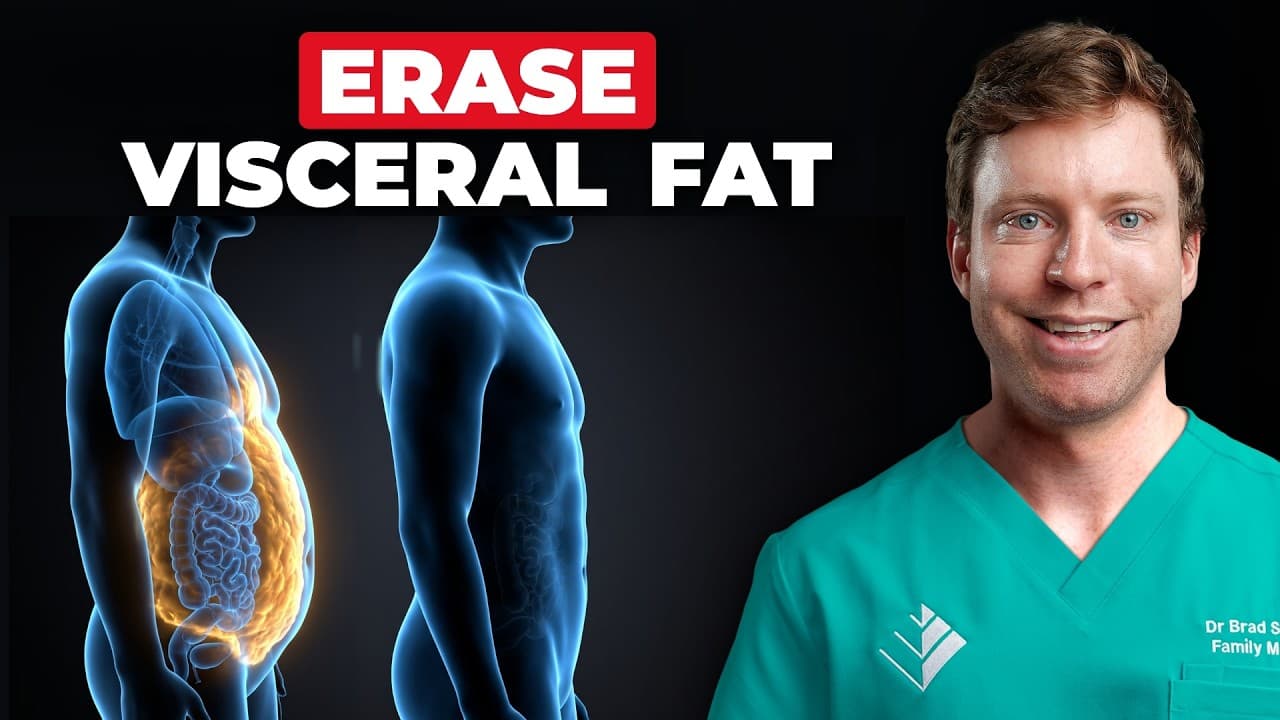
Visceral fat responds to what you eat more than how little you eat. The video emphasizes protein and fiber to increase fullness, cutting ultra processed foods and liquid sugars, and avoiding starvation by choosing nutrient dense, satisfying options. It also highlights coffee effects, plant based patterns, and overall plate composition for fat loss.
Transcript
You've cut back on food. You're hungry all day, but the belly fat still won't budge. Or maybe you eat well and you've even lost some weight, but the belly fat still looks the same. Well, here's the part that no one tells you. Eating less is part of why it won't shift. This is not a willpower problem, and this is the most important part of this vide... Read More
Key Insights
- Visceral fat is a active disruptive fat that affects organs and health, not just appearance.
- Waist to height ratio is a practical, quick screen to monitor visceral fat risk.
- Starvation triggers body defenses that reduce energy use and increase hunger, undermining fat loss.
- Increasing dietary protein to about 30 percent of calories boosts fullness and reduces overall intake.
- Legumes add fiber and protein, supporting fullness and gut health while protecting muscle.
- Eliminating ultra processed foods reduces daily calorie intake and fat gain.
- Liquid sugars are a major lever; replacing them with zero calorie drinks aids fat loss.
- Coffee may modestly reduce visceral fat and liver fat, but effects vary and should not be overestimated.
- A plant rich, colorful plate supports fat loss and improves overall health, aligning with Mediterranean style patterns.
- Exercise and sleep improvements further support visceral fat reduction, per the video’s outlined plan.
Install to Summarize YouTube Videos and Get Transcripts
Explore YouTube Video Summarizer or Get YouTube Transcript Extractor
Questions & Answers
Q: How can I measure my progress in visceral fat without expensive tools
You can start by measuring your waist around the belly button after a normal exhale and compare it to your height. The guideline is to keep your waist under half your height. This simple measure acts as a proxy for visceral fat and can track changes over time without specialized equipment.
Q: Why does simply eating less sometimes fail when losing visceral fat
Eating less can cause the body to defend its fat by lowering energy burn, increasing hunger, and reducing movement. This thermostat like response means you may feel hungrier and burn fewer calories, which often stalls fat loss. The video recommends changing what you eat instead of just eating less to avoid these effects.
Q: What role does protein play in fat loss and muscle preservation
Protein helps fullness so you eat fewer calories without feeling deprived, which can lead to fat loss. Higher protein intake also protects lean muscle during weight loss, which supports metabolism and long term fat reduction. Whole protein foods are preferred over processed options for best results.
Q: How do ultra processed foods affect calorie intake
In a controlled trial, people on ultra processed foods consumed about 500 more calories per day than those on unprocessed foods, even when hunger and fullness were similar. This suggests processed foods promote overconsumption, making fat loss harder, so cutting these foods supports a leaner body.
Q: What is the impact of liquid sugar on visceral fat
Liquid sugars are poorly registered by the fullness signal, so people may overconsume calories from drinks. Replacing sugary drinks with zero calorie options or water leads to greater weight loss and reduces visceral fat buildup compared to staying on sugar drinks.
Q: Does coffee help reduce visceral fat and what should I consider
Coffee consumption can modestly reduce visceral fat and improve liver fat, but the effect is small and one study. It is important to avoid adding sugars and to finish caffeine early in the day to protect sleep quality, as sleep influences fat loss.
Q: Should I follow a plant based or Mediterranean style eating pattern for visceral fat
Yes, a plate rich in plant foods and colorful vegetables supports fat loss and health. The video contrasts healthy patterns including Mediterranean style, which emphasize whole foods, fiber, and variety, helping fullness and nutrient intake while reducing ultra processed foods.
Q: What practical steps can I take to reduce visceral fat quickly
Start by measuring your waist to height ratio and set a goal to reduce it over time. Increase protein from whole foods, add legumes for fiber, cut ultra processed foods and liquid sugars, and build meals around a colorful plant based plate. Pair these with regular exercise and adequate sleep for the best results.
Summary & Key Takeaways
-
The video explains that visceral fat surrounds organs and is linked to health risks, making it more important to address than surface fat. It suggests measuring waist to height as a simple proxy and tracking progress over time. It frames weight loss as a biological process, not a matter of willpower.
-
Healthy proteins and legumes help fullness and protect muscle during fat loss, with evidence from a 12-week study where higher protein intake reduced daily calories and fat mass. Emphasis is placed on whole foods rather than protein powders.
-
Avoiding ultra processed foods and liquid sugars is linked to lower calorie intake and less fat gain, with studies showing processed foods can lead to more calories consumed even when hunger is similar. The video recommends a plant rich, colorful plate for long term fat loss.
Read in Other Languages (beta)
Share This Summary 📚
Summarize YouTube Videos and Get Video Transcripts with 1-Click
Try YouTube Summary with ChatGPT & Claude or YouTube Transcript Generator
Explore More Summaries from Dr Brad Stanfield 📚


Summarize YouTube Videos and Get Video Transcripts with 1-Click
Try YouTube Summary with ChatGPT & Claude or YouTube Transcript Generator