How to profit from nostalgia in startups today
TL;DR
Nostalgia can be monetized by transforming comforting memories into tangible products and experiences. Start by analyzing popular past eras, then create accessible content or goods around those memories, like themed events or collectibles. Build a focused channel or product line that evokes nostalgia while solving current needs, and monetize through events, memberships, and media products.
Transcript
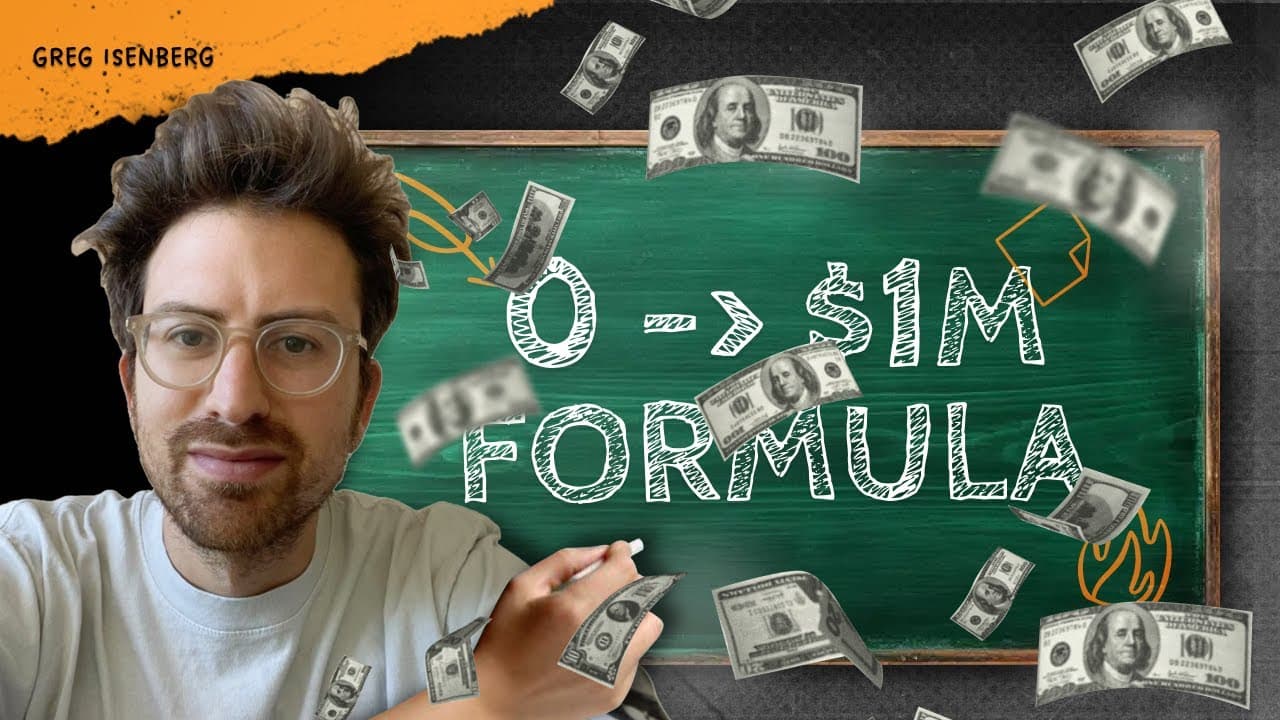
this will make minimum 1 million per year what if we look back to the things that were popular and exciting when we were 14.5 and you try to Milk The Nostalgia out of those things to create new products and I'll give you an example I was obsessed with the video game Halo back when I was like 13 14 uh and I used to do land parties uh a lot back then... Read More
Key Insights
- Nostalgia peaks at a specific age range according to a survey, which can guide product targeting.
- Creating comfort-driven content can attract loyal audiences willing to pay for experiences or collectibles.
- Physical and digital nostalgia can be combined to build multi-channel revenue streams.
- IRL experiences like land parties can be reimagined as modern events or communities.
- Limited edition or high-end nostalgic products can create premium appeal and scarcity.
- Media formats that center on reminiscence, such as podcasts or magazines, can be monetized through ads and subscriptions.
- Nostalgia can inform product design that resonates emotionally, increasing engagement and lifetime value.
- A focused niche within nostalgia, such as a specific game era or console, can reduce competition and improve conversion rate.
- More videos from this channel:
- More from this channel: Greg Isenberg
Install to Summarize YouTube Videos and Get Transcripts
Explore YouTube Video Summarizer or Get YouTube Transcript Extractor
Questions & Answers
Q: A real search query question about the video (e.g. 'How to...', 'What is...', 'Why does...', 'When should...'). Question 1
Nostalgia driven startups can monetize by identifying the most emotionally resonant memories and packaging them into tangible products or experiences. Start by researching which memories hold the strongest pull for your target audience, then design offerings that evoke those feelings while meeting a current practical need. This approach creates repeat engagement and sustainable revenue.
Q: Question 2
To turn nostalgia into a business, focus on creating a sense of comfort and belonging. Build experiences or products that allow people to relive positive memories in a way that feels accessible and shareable. Pair that with a clear monetization path such as subscriptions, limited editions, or event tickets to convert sentiment into revenue.
Q: Question 3
What role do events play in nostalgia-based startups? Events provide a physical anchor for memories, enabling participants to reconnect with friends and familiar experiences. They offer sponsorship and merchandise opportunities, creating multiple revenue streams. A well curated event can become a recurring community hub, increasing customer lifetime value and brand loyalty.
Q: Question 4
How can a founder validate nostalgia ideas before investing heavily? Start with small, testable experiments like a limited run product or a pilot event to gauge interest. Collect feedback on what memories resonate, price sensitivity, and potential willingness to pay for ongoing experiences or content. Use learnings to iterate before scaling.
Q: Question 5
What is a practical path to monetize retro content? Build a focused media product such as a high quality coffee table book or a niche magazine, paired with digital content and community access. Generate revenue through preorders, subscriptions, and ad sponsorships, ensuring the content stays premium and aligned with the nostalgic theme.
Q: Question 6
Which product ideas align with nostalgia for millennials? Hardware recreations, collectible items tied to iconic games, and immersive experiences like retro gaming lounges or pop up events can resonate deeply. Pair these with online content, memberships, or exclusive drops to create multiple touchpoints for fans, increasing overall revenue potential.
Q: Question 7
How can branding leverage nostalgia without feeling gimmicky? Use authentic storytelling rooted in real memories and craft products that genuinely reflect those experiences. Quality design and careful curation help maintain credibility. Transparent communication about provenance and care for the nostalgia theme builds trust and longer-term engagement.
Q: Question 8
What timeframe and milestones are realistic for monetizing nostalgia ideas? Start with a few quick wins such as limited edition items or small scale events within a few weeks. Plan for medium term campaigns like regular content series or subscriptions over a few months, then scale with partnerships, sponsorships, and expanded product lines as demand proves itself.
Summary & Key Takeaways
-
A narrative describes turning nostalgic memories into viable business ideas, emphasizing the appeal of comfort and familiarity.
-
The discussion highlights a strategy of leveraging retro themes to create engaging experiences, content, and products for a modern audience.
-
The speaker outlines concrete examples such as hosting land parties, creating niche magazines, or building branded hardware experiences to monetize nostalgia.
Read in Other Languages (beta)
Share This Summary 📚
Summarize YouTube Videos and Get Video Transcripts with 1-Click
Try YouTube Summary with ChatGPT & Claude or YouTube Transcript Generator
Explore More Summaries from Greg Isenberg 📚





Summarize YouTube Videos and Get Video Transcripts with 1-Click
Try YouTube Summary with ChatGPT & Claude or YouTube Transcript Generator