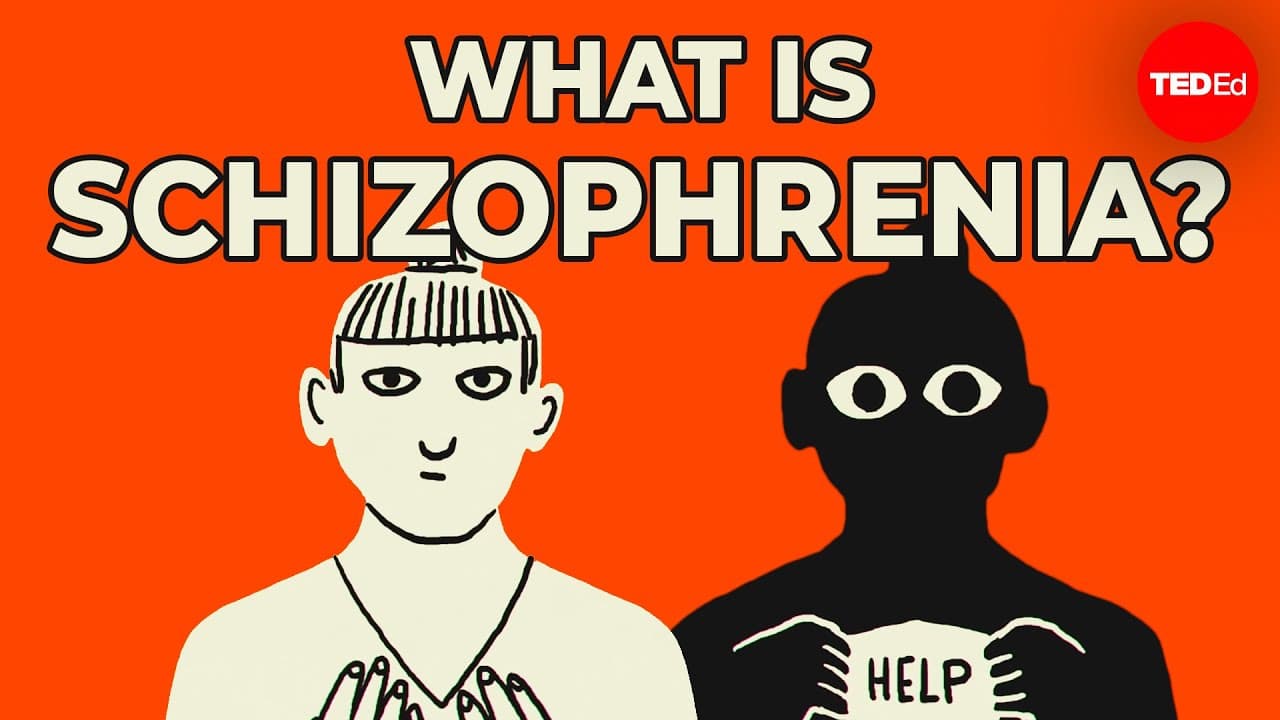
What is schizophrenia? - Anees Bahji
Transcript
Schizophrenia was first identified more than a century ago, but we still don’t know its exact causes. It remains one of the most misunderstood and stigmatized illnesses today. So, let’s walk through what we do know— from symptoms to causes and treatments. Schizophrenia is considered a syndrome, which means it may encompass a number of related d... Read More
Install to Summarize YouTube Videos and Get Transcripts
Explore YouTube Video Summarizer or Get YouTube Transcript Extractor
Summary
Schizophrenia is a complex and misunderstood illness that has been identified for over a century. Its exact causes are still unknown, and it remains stigmatized in society. This article explores the symptoms, causes, and treatments of schizophrenia, highlighting the importance of education and early intervention.
Questions & Answers
Q: What are the common symptoms of schizophrenia?
Every person with schizophrenia exhibits slightly different symptoms, but some common signs include subtle personality changes, irritability, and the emergence of unusual thoughts. Psychosis usually occurs in the late teens or early twenties for men and the late twenties or early thirties for women. It can feature delusions, hallucinations, and disordered speech and behavior.
Q: Do people with schizophrenia have multiple personalities?
No, it is a misconception that people with schizophrenia have multiple personalities. The symptoms of schizophrenia indicate a disruption in thought processes, not the manifestation of different personalities.
Q: What are the negative symptoms of schizophrenia?
Schizophrenia also presents negative symptoms, which are qualities that are reduced in people with the illness. These include reduced motivation, expression of emotion, and speech difficulties.
Q: Are there cognitive symptoms associated with schizophrenia?
Yes, schizophrenia can also cause cognitive symptoms such as difficulty concentrating, remembering information, and making decisions.
Q: What causes the onset of psychosis in schizophrenia?
The onset of psychosis in schizophrenia is likely due to a combination of genetic and environmental risk factors. Schizophrenia has strong genetic links, as children or siblings of individuals with the illness are ten times more likely to develop it. Environmental factors like viral exposure in early infancy and drug use, including marijuana, may also increase the risk.
Q: How do antipsychotic drugs work in treating schizophrenia?
Antipsychotic drugs used in schizophrenia treatment work by blocking dopamine receptors. They are effective in reducing positive symptoms, which are associated with an excess of dopamine in certain brain pathways. However, these drugs can worsen negative symptoms, which may be connected to low dopamine levels in other brain areas.
Q: Do antipsychotic drugs have any side effects?
Yes, antipsychotics can have side effects such as weight gain. They affect signaling throughout the brain and body, and newer generations of drugs aim to target multiple neurotransmitters, including serotonin, to address these issues.
Q: What are some additional interventions used in schizophrenia treatment?
In addition to medication, cognitive-behavioral therapy is often used as a successful intervention in schizophrenia treatment. Electroconvulsive therapy, while providing short-lived relief, is also emerging as an effective option when other treatments have failed.
Q: Why is early intervention crucial in treating schizophrenia?
Untreated psychosis can become deeply ingrained in someone's personality after months or years. Early intervention is important to prevent this and to provide better outcomes for individuals with schizophrenia.
Q: How does education help in addressing the stigma associated with schizophrenia?
Education plays a crucial role in eroding the dehumanizing stigma attached to schizophrenia. By educating patients, their families, and communities, we can break down the misconceptions surrounding the illness and improve access to treatment.
Takeaways
Schizophrenia remains a misunderstood and stigmatized illness, but advancements have been made in understanding its symptoms, causes, and treatment options. While the exact causes of schizophrenia are unknown, a combination of genetic and environmental factors likely contributes to its onset. Antipsychotic drugs, cognitive-behavioral therapy, and early intervention are effective approaches to managing the illness. Education is essential to reduce the stigma associated with schizophrenia and increase access to treatment for those in need.
Read in Other Languages (beta)
Share This Summary 📚
Summarize YouTube Videos and Get Video Transcripts with 1-Click
Try YouTube Summary with ChatGPT & Claude or YouTube Transcript Generator
Explore More Summaries from TED-Ed 📚





Summarize YouTube Videos and Get Video Transcripts with 1-Click
Try YouTube Summary with ChatGPT & Claude or YouTube Transcript Generator