How Does China Withstand Major Oil Supply Shocks?
TL;DR
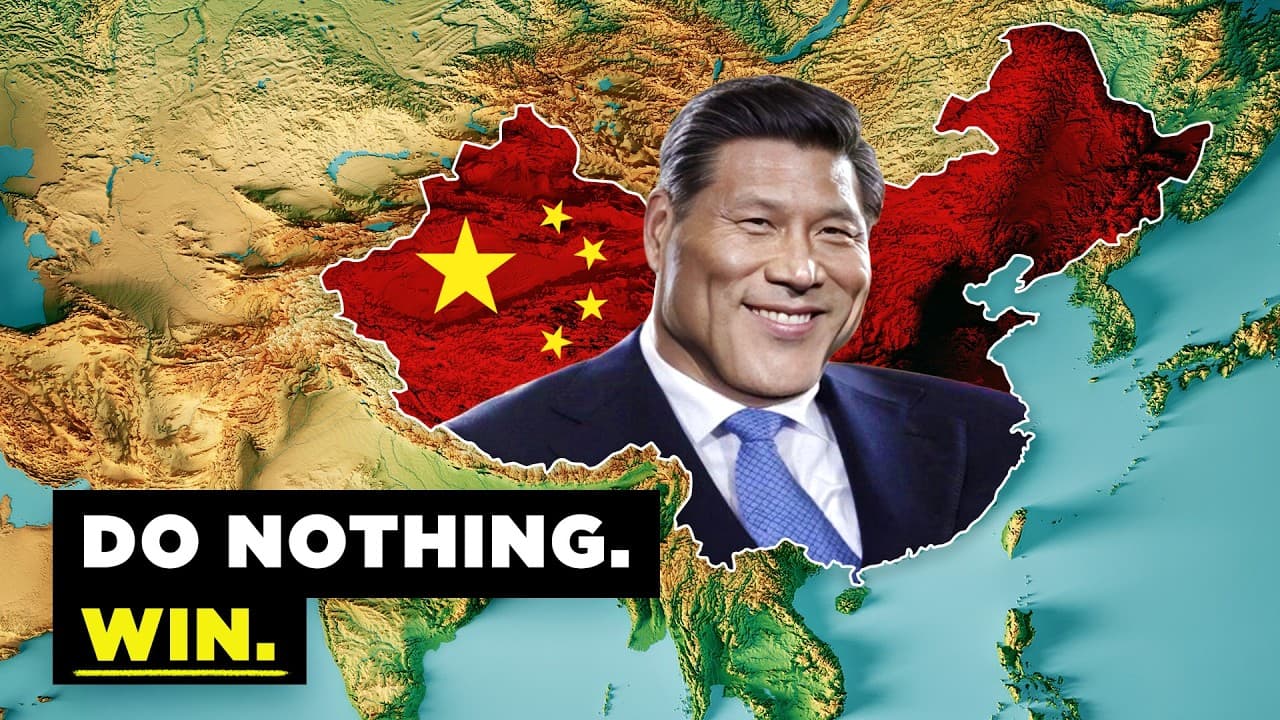
China withstands major oil supply shocks by combining enormous reserves, diversified imports, coal-heavy electricity, renewable and nuclear generation, and growing electric vehicle adoption. These preparations reportedly let it reduce oil purchases by about 4 million barrels per day during the Strait of Hormuz closure, limiting domestic disruption while gaining leverage over the United States through its influence on global demand and prices.
Transcript
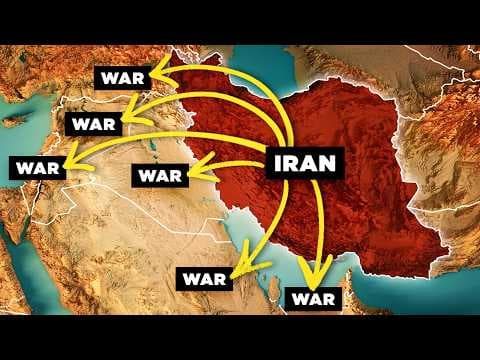
The United States and Israel initiated a major war in the Middle East against Iran. And the biggest winner of this war isn't going to be any of them. It's going to be China instead. Back at the end of February, when the US and Israel decided to launch this war, they did so with the expectation that the exact opposite outcome would follow with China... Read More
Key Insights
- China's central energy vulnerability is its dependence on foreign oil, which supplies about 70% of total consumption. Because around half of those imports come from the Persian Gulf, eliminating Gulf shipments would remove roughly 35% of the oil China normally consumes.
- China's oil-security strategy combines diversified import sources, large stockpiles, and reduced domestic petroleum demand. Although these measures were designed mainly for a possible American blockade of the Strait of Malacca, they also helped China manage Iran's closure of the Strait of Hormuz.
- China's effective strategic oil reserve is larger than its official government inventory suggests because state-owned companies hold much of the country's commercial supply. The transcript says combined holdings exceeded three times the American reserve and could cover more than 100 days of normal Chinese consumption.
- China is less dependent on Persian Gulf oil than several neighboring economies. About half of its imports come from that region, compared with approximately 93% for Japan, 70% for South Korea, and 58% for Taiwan, giving China relatively greater geographic resilience.
- China's electricity system uses very little oil or gas because domestic coal supplies about 60% of generation. Wind, solar, and nuclear contributed more than 22% in 2024, hydropower supplied another 13%, and oil and gas together accounted for only about 3%.
- China's renewable and nuclear investments further reduce its exposure to imported fuels. It installed almost half of global solar and wind capacity in 2024, plans for solar and wind to meet 30% of energy needs by 2030, and targets a 10% nuclear electricity share by 2035.
- China's electric vehicle adoption limits the impact of oil price increases on drivers. By 2024, electric vehicles represented roughly 11% of passenger vehicles on Chinese roads, compared with about 3% in South Korea and the United States and 1% in Japan.
- China's reduction of oil purchases during the war reportedly capped the global price increase. Cutting imports by about 4 million barrels per day reduced market pressure, while the possibility of resuming normal purchases gave Beijing leverage because additional demand could raise prices and worsen American inflation.
Install to Summarize YouTube Videos and Get Transcripts
Explore YouTube Video Summarizer or Get YouTube Transcript Extractor
Questions & Answers
Q: How does China withstand a major oil supply shock?
China withstands an oil shock through several overlapping defenses: it stores large quantities of crude, imports from varied regions, relies heavily on domestic coal for electricity, expands renewable and nuclear generation, and promotes electric vehicles. Together, these measures reduce immediate demand for imported petroleum and allow the country to draw on reserves when important maritime supply routes are disrupted.
Q: Why is imported oil a strategic vulnerability for China?
Imported oil is a strategic vulnerability because China relies on foreign suppliers for about 70% of its total oil consumption. Roughly half of those imports normally come from around the Persian Gulf. A complete loss of Gulf shipments would therefore remove about 35% of the oil China usually consumes, creating substantial exposure to blockades, wars, and shipping interruptions.
Q: What is China's Malacca dilemma?
China's Malacca dilemma is the risk created by sending most of its critical seaborne oil imports through the narrow Strait of Malacca. Chinese planners fear that the United States Navy could blockade this route during a conflict, particularly one involving Taiwan. That concern encouraged China to diversify suppliers, accumulate oil reserves, and reduce domestic dependence on petroleum over several decades.
Q: How large are China's strategic oil reserves?
China officially held 359 million barrels in December 2025, compared with 413 million barrels in the United States. However, much of China's commercial inventory belongs to state-owned oil companies, blurring the distinction between commercial and government reserves. When those holdings are included, the transcript says China's effective reserve exceeded America's by more than three times and covered over 100 days of normal consumption.
Q: How does China's electricity mix reduce oil dependence?
China generates almost all its electricity without relying heavily on oil or gas. Coal provides about 60% of electricity, while wind, solar, and nuclear together contributed more than 22% in 2024 and hydropower added about 13%. Oil and gas combined supplied only about 3%, so interruptions to petroleum imports have a limited direct effect on electricity generation.
Q: Why do electric vehicles improve China's energy security?
Electric vehicles reduce the amount of gasoline Chinese drivers need and therefore weaken the connection between international oil prices and household transportation costs. By 2024, roughly 11% of passenger vehicles on Chinese roads were electric. That share exceeded the approximately 3% recorded in South Korea and the United States and the 1% recorded in Japan.
Q: How did China respond to the Strait of Hormuz closure?
China reportedly reduced imported oil purchases by approximately 4 million barrels per day during the war, an amount described as twice Germany's oil consumption rate. Its large stockpiles, diversified supply sources, coal-based electricity system, renewable and nuclear capacity, and electric vehicle adoption allowed it to sustain that reduction for several months with relatively limited effects on society and the economy.
Q: How can China's oil purchases create leverage over the United States?
China's reduced purchases lowered global demand and reportedly capped the increase in oil prices during the disruption. If China resumed buying at its normal pace while the Strait of Hormuz remained closed, the additional demand could push prices above their earlier wartime peaks and worsen inflation in the United States and elsewhere. Beijing could therefore use its purchasing decisions when seeking concessions from Washington.
Summary & Key Takeaways
-
China identified imported oil as a strategic vulnerability because imports meet about 70% of its consumption, with roughly half arriving from the Persian Gulf. Preparations originally designed for a possible blockade at the Strait of Malacca also helped it manage the disruption caused when Iran closed the Strait of Hormuz during the war.
-
China built extensive oil reserves, diversified suppliers, and limited petroleum use in electricity. Its effective government-controlled inventories reportedly exceeded the American reserve by more than three times and could cover over 100 days of normal consumption. Coal, hydropower, wind, solar, and nuclear power supply nearly all Chinese electricity without significant oil dependence.
-
Electric vehicles further reduce the exposure of Chinese consumers to expensive gasoline. Together, electrification and stored oil allowed China to cut imports by about 4 million barrels per day with relatively limited disruption. The resulting fall in Chinese demand restrained global prices and created bargaining leverage because renewed purchases could intensify inflation abroad.
Read in Other Languages (beta)
Share This Summary 📚
Summarize YouTube Videos and Get Video Transcripts with 1-Click
Try YouTube Summary with ChatGPT & Claude or YouTube Transcript Generator
Explore More Summaries from RealLifeLore 📚
Summarize YouTube Videos and Get Video Transcripts with 1-Click
Try YouTube Summary with ChatGPT & Claude or YouTube Transcript Generator