How to erase anxiety with Nanakorobi Yaoki and Fudosin

TL;DR
The core method is to act despite fear, not wait for confidence. It teaches a system of programmed falls to train the nervous system, so you can show up in meetings, conversations, and new situations. Four ancient concepts underpin this approach and are demonstrated through Austin's story.
Transcript
There's an 800-year-old Japanese technique that can erase your anxiety in 90 days. But it comes at a price. You'll have to fall, fail, get up, fall again and again and again. The least anxious people usually have one thing in common. These people don't avoid discomfort. Sometimes they walk straight into it. While many spend years trying to control ... Read More
Key Insights
- Nanakurobi Yaoki is a fall seven times, stand up eight principle that teaches resilience by training the nervous system.
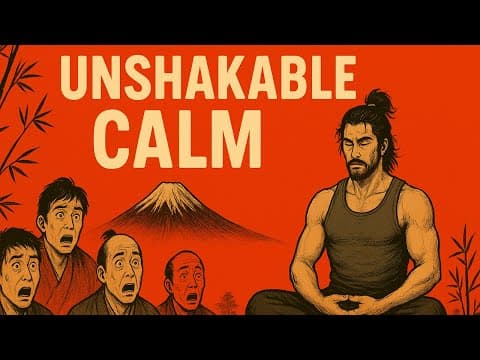
- Fudosin represents an unwavering mind that acts despite fear, enabling actions regardless of internal fear cues.
- Shoshen, or beginner's mind, helps reduce self judging and acknowledges starting as a beginner is normal.
- Gambaru embodies perseverance, replacing fleeting motivation with steady commitment to practice.
- Programmed falls are specific, small, scheduled challenges designed to create safe, repeatable experiences of failure and recovery.
- Repeated exposure to anxiety-provoking tasks strengthens safety signals in the brain, reducing future fear responses.
- The neuroscience cited explains that avoiding fears reinforces the fear circuit, while facing them builds neurological evidence of safety.
- Vulnerability is reframed as honesty and a catalyst for connection in social or professional settings.
Install to Summarize YouTube Videos and Get Transcripts
Explore YouTube Video Summarizer or Get YouTube Transcript Extractor
Questions & Answers
Q: What is Nanakorobi Yaoki and how does it help with anxiety?
Nanakorobi Yaoki is the fall seven times, stand up eight concept. It helps by reframing failure as a training session for the nervous system. Repeated small falls teach the brain that surviving discomfort is possible, reducing the emotional weight of future anxieties and enabling more consistent action in challenging situations.
Q: What does Fudosin mean in this context and why is it important?
Fudosin refers to an unwavering mind that can act despite fear. It is important because it shifts the goal from eliminating fear to acting in spite of it. This mindset allows someone to proceed with tasks, such as meetings or presentations, even when anxiety is present, building a track record of success through action.
Q: How does Shoshen, the beginner's mind, help someone improve social skills?
Shoshen teaches that you should view yourself as a beginner and not demand perfection from the start. By embracing the status of a learner, you reduce self imposed pressure and can practice in social interactions without the crippling expectation of flawless performance, leading to steady improvement over time.
Q: What does Gambaru contribute to the system?
Gambaru stands for perseverance carried into action. It replaces motivation with commitment by keeping a person showing up and practicing, even when progress feels slow. This consistent effort is crucial to long term anxiety reduction and skill development.
Q: What is the role of the programmed falls in this method?
Programmed falls are small, scheduled challenges designed to provoke controlled anxiety. Each fall creates a concrete goal to face, and every recovery reinforces safety neural pathways. Over time, the brain learns that discomfort does not equal danger, increasing overall resilience.
Q: What scientific idea supports this approach?
The approach is supported by neuroscience suggesting the amygdala learns through repetition. When you avoid anxiety provoking situations you reinforce fear, but when you confront and survive it builds neurological safety. This repeated exposure recalibrates the brain to respond with less fear.
Q: How long does the process described in the video aim to take and what is the payoff?
The process is framed as an 800 year old principle applied over 90 days of practice. The payoff is a more unwavering action that continues despite fear, leading to less avoidance of opportunities and stronger inner strength.
Q: What is the main shift in how to handle anxiety according to the video?
The main shift is acting before confidence appears rather than waiting to feel confident. By taking action first, the brain gathers evidence of safety through experience, gradually reducing anxiety and increasing ability to engage in challenging situations.
Summary & Key Takeaways
-
A practical system based on four ancient Japanese concepts helps turn anxiety into actionable steps, using controlled exposure to build confidence over 90 days.
-
The method focuses on action first rather than feeling confident, using falls to train the nervous system and demonstrate safety to the brain.
-
The approach is supported by a neuroscientist's view on how repeated exposure re-calibrates the amygdala, turning fear into manageable courage.
Read in Other Languages (beta)
Share This Summary 📚
Summarize YouTube Videos and Get Video Transcripts with 1-Click
Try YouTube Summary with ChatGPT & Claude or YouTube Transcript Generator
Explore More Summaries from Presence & Path 📚



Summarize YouTube Videos and Get Video Transcripts with 1-Click
Try YouTube Summary with ChatGPT & Claude or YouTube Transcript Generator