How to Find Reciprocal Love in Relationships
TL;DR
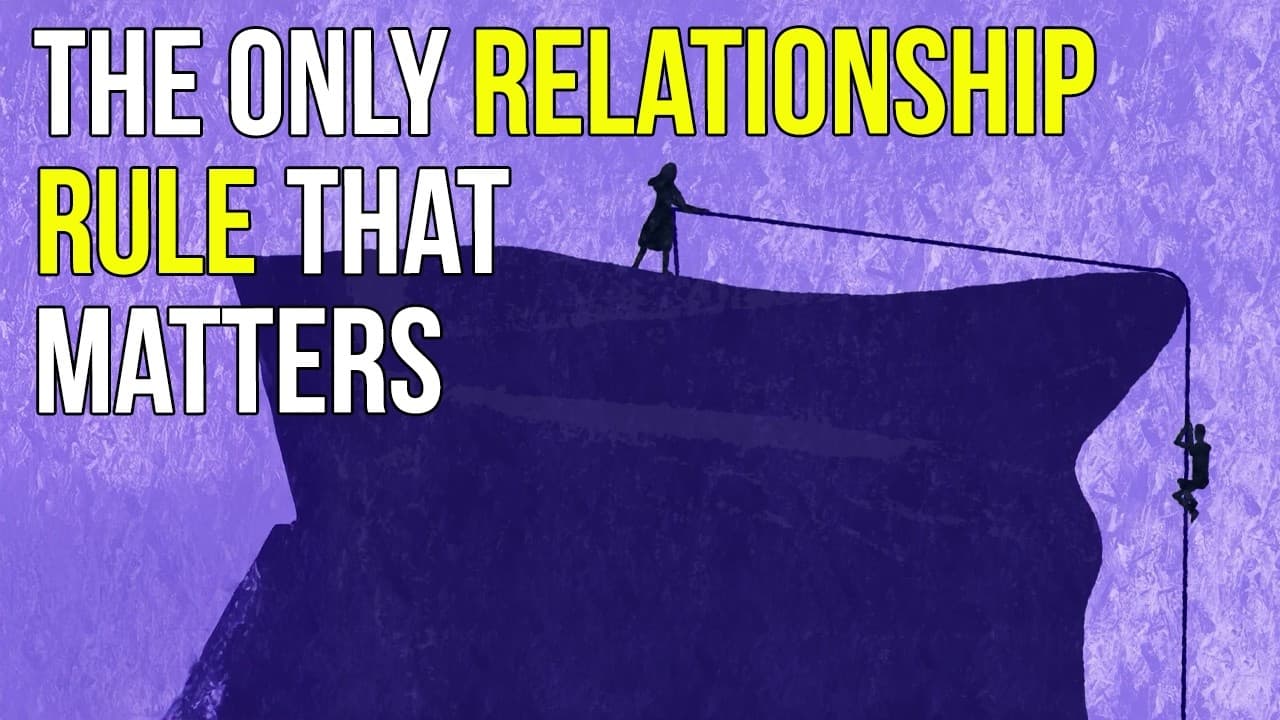
Reciprocal love is the only love worth having, where both partners are equally present, engaged, and grateful. The path to it includes recognizing red flags quickly, leaving relationships that fail to meet basic reciprocity, and healing past self neglect to allow a true ally to emerge. The core rule is clear: love must be mutual, consistent, and empowering for both people involved.
Transcript
Some of us will require the better part of a lifetime to learn a very simple sounding lesson that should have struck us as obvious and urgent from the start: that the only love worthy of the name, the only love we should ever be interested in, is reciprocal love. In other words, a love where another person is entirely as convinced of us a... Read More
Key Insights
- Reciprocal love is the standard by which relationships should be measured and pursued.
- The key to healthy relationships is mutual presence and consistent reliability from both partners.
- Leaving a relationship is appropriate when the other person is indecisive, unresponsive, or emotionally unavailable.
- A person must be infinitely proud of their partner for the relationship to be healthy.
- Self abandonment is incompatible with true love and must be avoided.
- Patterns of longing and self sacrifice often stem from childhood experiences that distort love.
- There is no legitimate complexity in a relationship that refuses mutual respect and effort.
- True love is described as two people who feel blessed to have met and care infinitely for one another.
- More videos from this channel:
- More from this channel: The School of Life
Install to Summarize YouTube Videos and Get Transcripts
Explore YouTube Video Summarizer or Get YouTube Transcript Extractor
Questions & Answers
Q: What is the core rule of love described in the video?
The core rule is that the only love worthy of the name is reciprocal love, meaning both people are entirely convinced of each other, present in the relationship, and not required to persuade or beg. This reciprocity should be steady and mutual, with both partners deeply grateful for their partnership. Any dynamic that fails to meet this standard is not considered true love.
Q: How does the video suggest you should respond to a partner who is indecisive?
If a partner is still deciding and shows any sign of interest in others, the video instructs that you must leave them. The logic is that true reciprocity does not tolerate prolonged indecision or divided attention, and remaining in such a situation only trains self abandonment and tolerates emotional instability.
Q: What marks a relationship as emotionally unavailable according to the talk?
A relationship is emotionally unavailable when the person is taking ages to reply, flirting elsewhere, or cannot be kind or present due to personal issues. In such cases, the recommended action is to leave, protecting your own emotional wellbeing and avoiding extended self sacrifice in pursuit of unreciprocated affection.
Q: What is required for a relationship to be considered healthy and mutual?
A healthy, mutual relationship requires that both people are present and deeply invested, with equal affection and commitment. It is characterized by a sense of blessing and gratitude from both sides, rather than one person constantly trying to persuade or prove themselves. The relationship should feel secure and mutually nourishing.
Q: How does the video address past patterns of pain mistaken for love?
The video argues that many people mistake pain and longing for love due to childhood conditioning and self doubt. It emphasizes recognizing that love is not about enduring suffering or persisting in an unsteady dynamic, but about finding a partner who truly meets you with presence, care, and respect.
Q: What does leaving someone imply in the framework of this video?
Leaving someone means removing them from your life entirely, ensuring they do not occupy your thoughts or space in any way. It is a decisive boundary to protect yourself from emotional poisoning and to preserve the possibility of finding a genuinely reciprocal relationship rather than clinging to an unfulfilling bond.
Q: What role does self worth play in finding reciprocal love?
Self worth is central, as the message is that you deserve to be adored and respected in return for your own care and attention. The guidance encourages healing past self devaluation to recognize when someone truly honors you, and to refuse relationships that fail to meet the reciprocal standard.
Q: What is the long term outcome when a relationship achieves reciprocity?
When reciprocity is achieved, the emotion is not about sacrifice or one sided effort but about two people who feel constantly blessed to have met and care infinitely for one another. This mutual investment creates a stable, fulfilling partnership where both people are fully present and appreciative.
Summary & Key Takeaways
-
Reciprocal love is defined as a relationship where both people are equally present and valued, without the need for persuasion or begging. The video argues that true love is not about self sacrifice or tolerating ambiguity, but about mutual dedication and respect. It emphasizes that many patterns stem from childhood and self worth that must be healed.
-
Once you recognize reciprocal love, you should set non negotiable rules such as leaving if someone is indecisive, unresponsive, or unavailable, and you should protect yourself from emotional poisons. The message is to hold firm boundaries and pursue partnerships where you feel loved and valued every day.
-
Ultimately, the video calls for an internal shift toward self respect, ensuring you are admired and cared for by a partner who is as invested as you are. It frames healthy love as a two person blessing, not a one sided struggle or performance.
Read in Other Languages (beta)
Share This Summary 📚
Summarize YouTube Videos and Get Video Transcripts with 1-Click
Try YouTube Summary with ChatGPT & Claude or YouTube Transcript Generator