What Factors Can Help You Grow Taller?
TL;DR
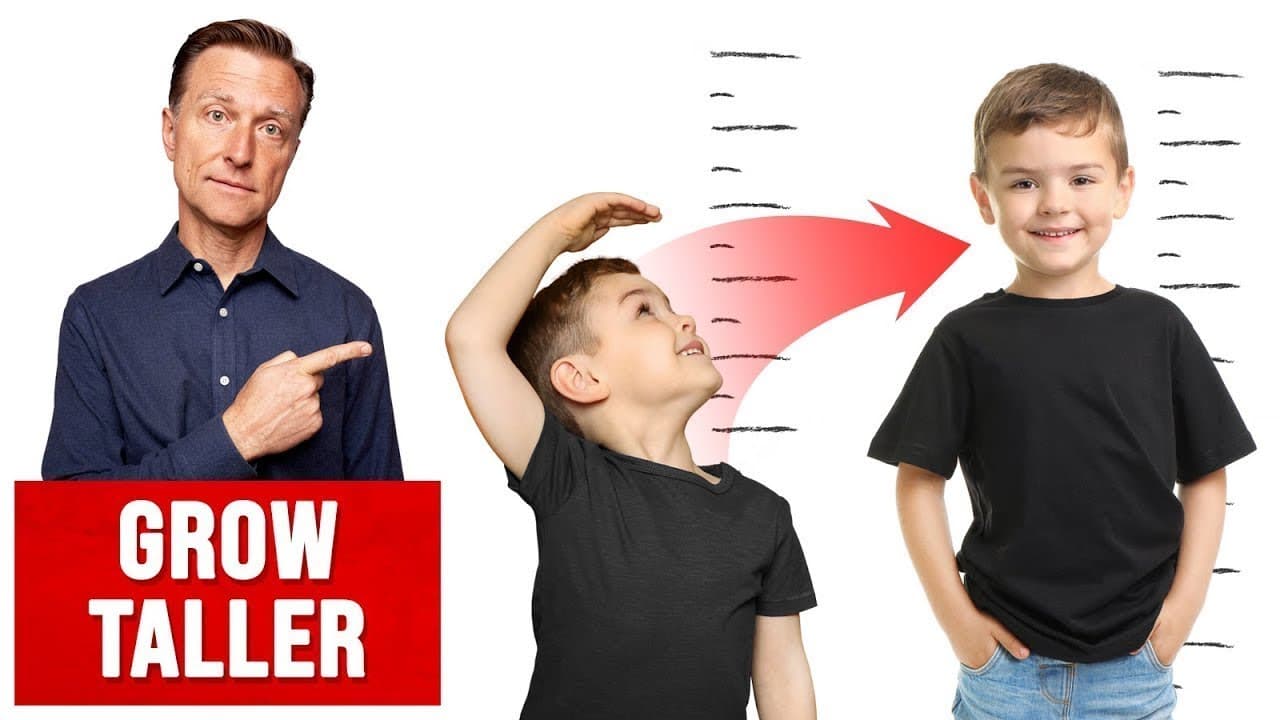
To maximize height growth, focus on proper nutrition, including sufficient zinc and vitamin D, along with adequate sleep. Avoiding processed foods and ensuring a healthy weight are also important to support growth hormone production.
Transcript
let's talk about how to increase your height is it possible yes it sure is in practice over the years i've had a handful of patients who had kids that really were not developing and that certain children in the family were taller but another child really was not growing like they should and so they wanted my advice so i'm gonna tell you what i reco... Read More
Key Insights
- 💤 Lack of sleep can hinder the production of growth hormone, so ensuring quality sleep is essential for maximizing height potential in teenagers.
- 💪 Protein deficiency can inhibit growth hormone production, emphasizing the importance of consuming sufficient protein for optimal growth.
- 🥦 Avoiding ultra-processed junk foods, especially among teenagers, is crucial as these foods can lead to nutritional deficiencies, including zinc deficiency.
- 🚬 Smoking and excessive caffeine consumption can inhibit the activation of growth hormone, impacting overall height potential.
- 🌞 Insufficient vitamin D due to limited exposure to sunlight, particularly common among children spending excessive time indoors, can affect growth hormone production.
- 🦪 Insufficient iodine, mainly found in seafood and shellfish, can significantly stunt growth, making it crucial to include foods rich in iodine in the diet.
- 💊 Using a trace mineral supplement with zinc and other essential trace minerals can be beneficial for maximizing height potential.
- 🍽️ Adopting a healthy ketogenic diet, focusing on limited carbohydrates, saturated fats, and avoiding vegetable oils, can support overall growth and development, contrary to traditional dietary recommendations.
Install to Summarize YouTube Videos and Get Transcripts
Explore YouTube Video Summarizer or Get YouTube Transcript Extractor
Questions & Answers
Q: Can nutrient deficiencies affect height growth?
Yes, nutrient deficiencies, particularly in zinc and vitamin D, can significantly impact growth hormone production and hinder height growth. Consuming a diet lacking in red meat, shellfish, and foods high in zinc, as well as insufficient exposure to sunlight for vitamin D production, can contribute to these deficiencies.
Q: How does sleep affect height growth?
Growth hormone works most effectively during sleep. Poor or inadequate sleep, especially during the teenage years, can interfere with the production and actions of growth hormone, potentially affecting height growth.
Q: Can obesity affect height potential?
Yes, excess fat can inhibit the activation of growth hormone, leading to reduced height potential. Maintaining a healthy weight through proper nutrition and regular physical activity is crucial for optimal height growth.
Q: Are lifestyle choices like smoking and caffeine consumption linked to height growth?
Yes, smoking, both firsthand and secondhand, as well as excessive caffeine consumption, can inhibit growth hormone production. Teenagers, who often consume high amounts of caffeine and processed junk foods, may be particularly susceptible to nutrient deficiencies that can affect height growth.
Q: How can a healthy ketogenic diet help maximize height potential?
A healthy ketogenic diet, rich in essential nutrients like zinc from red meat and low in grains and starchy carbohydrates, can support growth hormone production and optimize height potential. By avoiding foods that block zinc absorption, such as grains, individuals can improve their nutrient intake for healthy growth.
Q: Can intermittent fasting help with height growth?
Intermittent fasting, which includes periods of fasting and eating within a restricted window, can stimulate growth hormone production. However, it is essential to ensure that nutrient needs are met during eating periods to support overall growth and development.
Q: How can a pituitary gland support product help with height growth?
Pituotrophin PMG, a product by Standard Process, can support the function of the pituitary gland responsible for growth hormone production. Taking one tablet before bed for about three months may help enhance height growth in individuals with growth hormone deficiencies.
Q: How important is iodine for height growth?
Adequate iodine intake is crucial for thyroid hormone production, which plays a role in height growth. Seafood, shellfish, and seaweed-based foods like kelp are excellent sources of iodine. However, if inland-grown foods are consumed, they may lack iodine, potentially impacting height growth.
Summary & Key Takeaways
-
Between the ages of one and puberty, individuals should grow roughly two inches a year, increasing to about four inches a year during puberty.
-
Growth hormone, insulin-like growth factor 1 (IGF-1), and thyroid hormones play a crucial role in height growth.
-
Nutrient deficiencies, especially in zinc and vitamin D, along with factors like obesity, insufficient sleep, and certain lifestyle choices, can inhibit growth hormone production and stunt growth.
Read in Other Languages (beta)
Share This Summary 📚
Summarize YouTube Videos and Get Video Transcripts with 1-Click
Try YouTube Summary with ChatGPT & Claude or YouTube Transcript Generator
Explore More Summaries from Dr. Eric Berg DC 📚





Summarize YouTube Videos and Get Video Transcripts with 1-Click
Try YouTube Summary with ChatGPT & Claude or YouTube Transcript Generator