How to Stay Hydrated Without Overdrinking Water
TL;DR
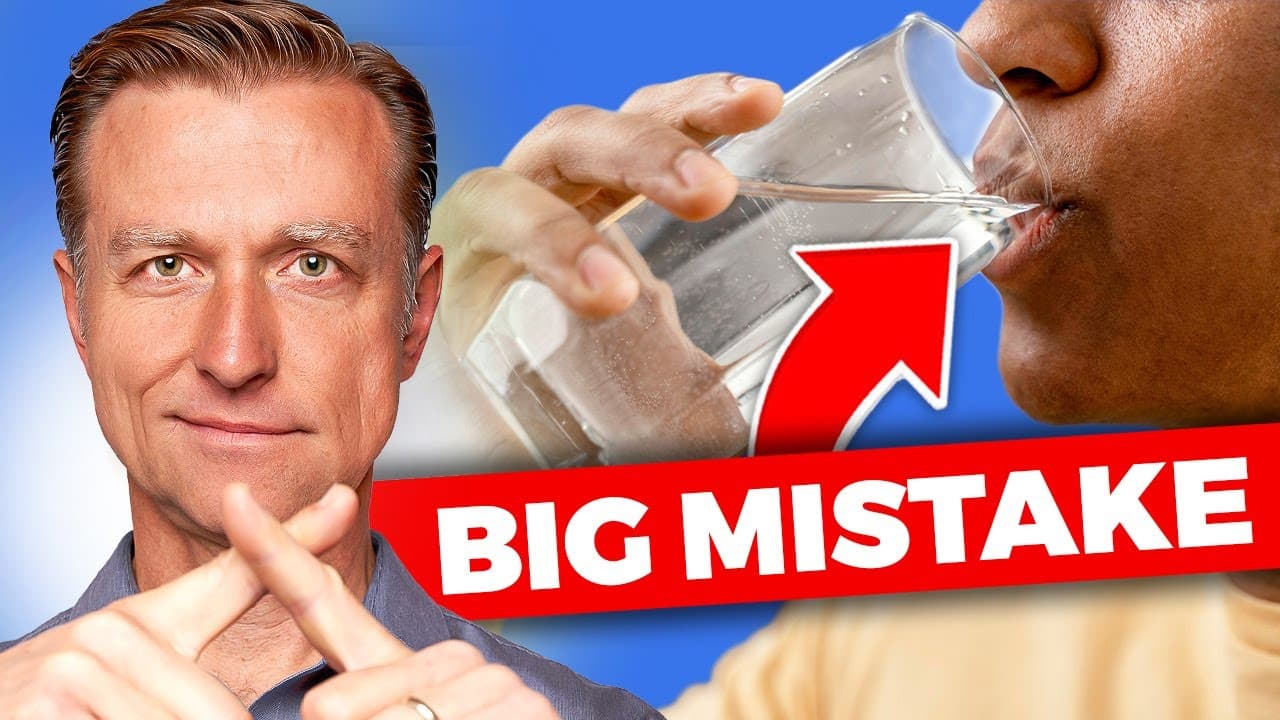
Drink according to thirst and pair water with electrolytes when higher fluid intake is needed, especially during exercise or hot weather. Hydration depends on the balance of fluid, sodium, potassium, chloride, calcium, and magnesium, not water alone. Excessive plain water can dilute sodium, while caffeine, alcohol, and sugary drinks may contribute to fluid or electrolyte problems.
Transcript
you know some years ago i did a video on this whole water myth that everyone needed to drink a certain amount of water or else they're going to be dehydrated and it kind of shook up quite a few people because everyone knows that eight glasses of water is like the law you have to drink at least eight glasses of water because your body is mostly wate... Read More
Key Insights
- Hydration is a balance of fluid and electrolytes, not merely the presence of water inside cells. Electrically charged minerals help water move through cellular channels, and imbalances between fluid and electrolyte concentrations can leave cells inadequately hydrated even when a person consumes substantial amounts of water.
- Excessive plain water can dilute sodium and other electrolytes. The transcript identifies hyponatremia as low sodium in the blood and warns that severe cases can cause brain inflammation or coma, particularly when people repeatedly drink beyond thirst without replacing electrolytes.
- Thirst is presented as the primary guide for fluid intake in generally healthy people who are not exercising heavily or experiencing hot weather. The recommended approach is to avoid forcing a fixed volume of water when the body is not signaling a need for it.
- Fluid requirements vary with exercise, heat, metabolism, and individual health conditions. The transcript says active people in hot environments may need considerably more water, while people prone to kidney stones should consume at least two and a half liters of fluid daily and add electrolytes.
- Caffeine and alcohol are described as diuretics that may contribute to dehydration. The transcript associates substantial alcohol consumption with next-morning headache and dry lips, while coffee, tea, soda, and other caffeinated beverages are presented as fluids that can increase water loss.
- Sugary beverages are described as potentially dehydrating because higher blood sugar is associated with increased urination and thirst. Fruit juice, soda, and sugar-containing sports drinks are therefore presented as poor default hydration choices, despite marketing that may position some products as electrolyte replacements.
- Sports drink serving size can conceal the total amount of sugar consumed. The transcript cites findings in which regular daily soda consumption was associated with two additional pounds, while daily sports drink consumption was associated with three and a half additional pounds, possibly because sports drinks often come in larger containers.
- Urine specific gravity strips are presented as a rough method for assessing urine concentration. The transcript says normal urine density ranges from 1.0 to 1.030 and characterizes a result below 1.010 as a sign that water intake may be diluting electrolytes, suggesting less water or more electrolytes.
Install to Summarize YouTube Videos and Get Transcripts
Explore YouTube Video Summarizer or Get YouTube Transcript Extractor
Questions & Answers
Q: How should you drink water to stay hydrated?
Drink when you are thirsty and adjust your intake for exercise, heat, metabolism, and relevant health conditions. When circumstances require substantially more water, the transcript recommends consuming electrolytes as well. It identifies sodium, potassium, chloride, calcium, and magnesium as important components of cellular hydration and cautions against routinely forcing large amounts of plain water after thirst has been satisfied.
Q: Why is water alone not enough for cellular hydration?
Water moves into and out of cells through small channels with assistance from electrically charged minerals called electrolytes. According to the transcript, a hydrated cell contains an appropriate balance of fluid and electrolytes inside and outside its membrane. Dehydration can therefore reflect an imbalance of these components, rather than simply an insufficient quantity of water within the body.
Q: Can drinking too much water be dangerous?
Drinking excessive plain water can dilute sodium and other electrolytes, especially when a person continues drinking despite not feeling thirsty. The transcript identifies low blood sodium as hyponatremia and describes it as potentially dangerous, with possible brain inflammation or coma. It specifically warns that endurance athletes can encounter problems when they drink large amounts without following thirst.
Q: Should everyone drink eight glasses of water every day?
The transcript rejects a single fixed amount as the right target for every person. Fluid needs depend on variables such as physical activity, outdoor heat, metabolism, and health circumstances. Its general recommendation for people who are not exercising much and are not in summer heat is to follow thirst rather than force a predetermined daily volume of water.
Q: Which electrolytes are needed for hydration?
The transcript identifies sodium, potassium, chloride, calcium, and magnesium as the electrolytes needed to support cellular hydration. It says many electrolytes can come from healthy food, although higher water intake during exercise or hot weather may require additional replacement. It also warns that refined sugar, alcohol, caffeine, and excessive plain water can contribute to fluid or electrolyte problems.
Q: Are sports drinks better than water for hydration?
Sports drinks are not automatically better because many contain added sugar and may be sold in large containers with multiple servings. The transcript argues that glucose can pull water from cells and interfere with fat burning. It distinguishes normal hydration from oral rehydration therapy for diarrhea, where glucose may be combined with minerals to help the intestine retain sodium.
Q: Do caffeine, alcohol, and sugar cause dehydration?
The transcript describes caffeine and alcohol as diuretics that can increase water loss. It also links high sugar levels with frequent urination and greater thirst, arguing that fruit juice, soda, and sugary sports drinks may worsen dehydration. Alcohol-related headache and dry lips the following morning are presented as recognizable signs of the fluid loss associated with drinking alcohol.
Q: How can urine specific gravity help assess hydration?
Urine specific gravity strips compare the density and concentration of urine with water, which has a value of 1.000. The transcript gives a normal urine range of 1.0 to 1.030 and says a reading below 1.010 can indicate that the urine is very diluted. It suggests responding by considering less water or more electrolytes, while treating the strip as a rough estimate.
Summary & Key Takeaways
-
Hydration requires both fluid and an appropriate electrolyte balance inside and outside cells. Water moves through cellular channels with help from electrically charged minerals. Drinking excessive plain water may dilute sodium and other electrolytes, potentially causing hyponatremia, which the transcript describes as a dangerous condition that can involve brain inflammation or coma.
-
The recommended general principle is to drink when thirsty instead of forcing a predetermined daily amount. Fluid needs vary with exercise, weather, metabolism, and health circumstances. People prone to kidney stones are advised in the transcript to consume at least two and a half liters of fluid daily and to include electrolytes.
-
Caffeine, alcohol, refined sugar, and sugary drinks are presented as factors that can worsen dehydration or electrolyte depletion. Many sports drinks and electrolyte powders contain added sugar, sometimes 11 grams per serving. The transcript recommends checking serving sizes and obtaining sodium, potassium, chloride, calcium, and magnesium through food or suitable electrolyte products.
Read in Other Languages (beta)
Share This Summary 📚
Summarize YouTube Videos and Get Video Transcripts with 1-Click
Try YouTube Summary with ChatGPT & Claude or YouTube Transcript Generator
Explore More Summaries from Dr. Eric Berg DC 📚




Summarize YouTube Videos and Get Video Transcripts with 1-Click
Try YouTube Summary with ChatGPT & Claude or YouTube Transcript Generator