Why Was Dr. Bradley Garrett Arrested for Exploring London’s Forbidden Underworld?
TL;DR
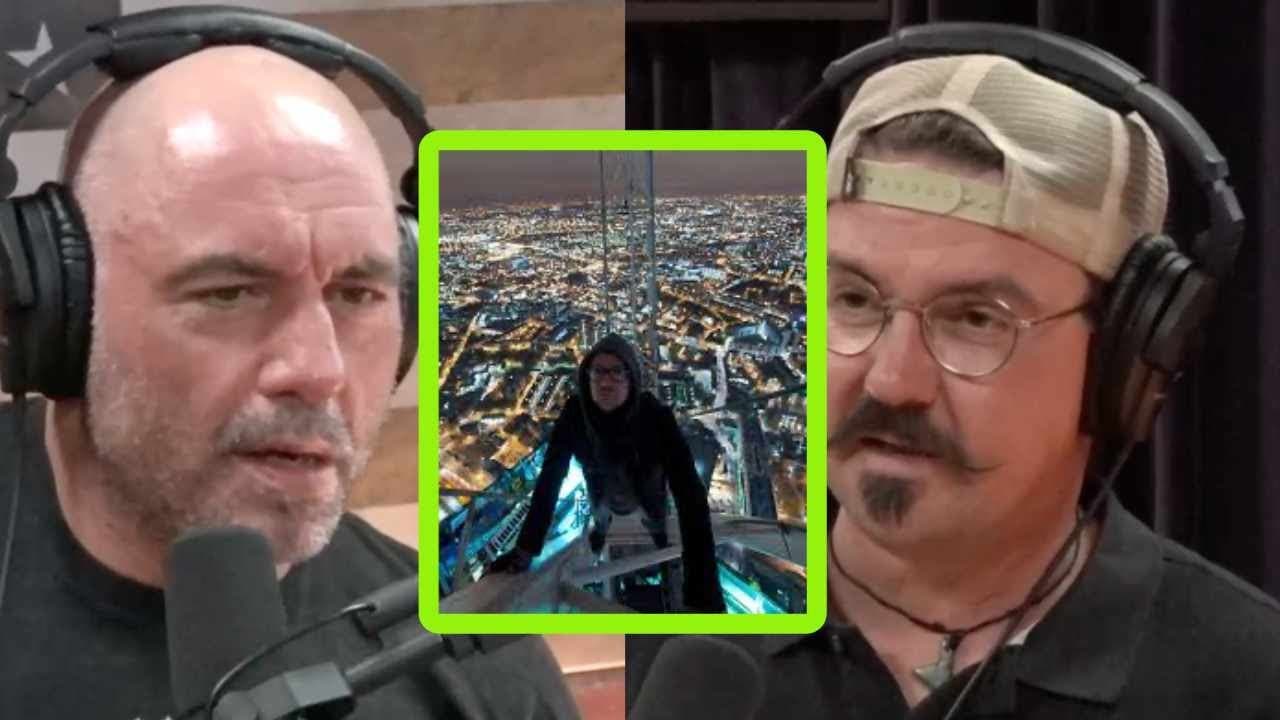
Dr. Bradley Garrett was arrested because police connected his research to urban explorers entering restricted infrastructure beneath London, then pursued conspiracy to commit criminal damage because ordinary trespass was generally not criminal in England. After years of investigation, he pleaded guilty to four criminal-damage counts so the other explorers could avoid prosecution. Read on to understand the underground project, the evidence, and how the case ended.
Transcript
The Joe Rogan Experience work that I've done in the past, particularly with the Urban Explorers, has got me into a lot of trouble. I I mean, I got arrested. Um, my all of the people that I worked with ended up getting arrested because the police got my [ __ ] notes and uh I mean, it was a it was a terrible How' the police get your notes? It was a t... Read More
Key Insights
- Research escalated by layers: The exploration did not begin with the most sensitive locations. Garrett’s group moved progressively from sewers into electricity tunnels, bunkers, infrastructure systems, and finally deep-level networks. This sequence matters because it shows how accumulated research and practical experience enabled access to places that initially appeared unreachable.
- Access required sustained investigation: Garrett said reaching the serious critical infrastructure took years. The explorers researched possible routes, crossed between separate tunnel systems, and squeezed through tiny openings. Their eventual presence deep beneath London resulted from prolonged route-finding rather than an easy entrance through a publicly accessible location.
- Depth did not eliminate exposure: While walking roughly 100 feet underground, an explorer noticed a manhole above them. When they opened it, a camera turned and looked toward them. The moment showed that even within London’s deepest infrastructure, surveillance could reveal their presence and confirm that they had reached a sensitive area.
- Telecommunications were physically concentrated: The British Telecommunications deep-level tunnels contained hubs for fiber optics and telephone lines serving the United Kingdom. Garrett described the location as the country’s telecommunications trunk. Its significance came from the infrastructure passing through it, even though reaching the tunnel required difficult movement through interconnected underground passages.
- Old maps exposed missing stations: The group’s search began by placing a 2008 Tube map over a map from 1932. More than 40 stations appeared on the older map but not the newer one. That discrepancy provided an initial list, which research reduced to at least 14 stations likely to retain ticket offices, platforms, or other remains.
- Train schedules shaped their entries: The explorers waited until trains stopped around 2 in the morning before entering the rail environment. They climbed from a bridge onto the tracks and ran through tunnels to reach abandoned stations. Their method depended on timing, physical access, and prior knowledge of where surviving station structures might be located.
- Objects created historical immediacy: Posters, platforms, ticket offices, and tickets left for about 40 years made the stations feel like time capsules. World War II damage added another visible historical layer. Garrett valued these discoveries because physical artifacts created a direct sense of standing inside history, consistent with his archaeological perspective.
- Publicity narrowed their options: At first, the group posted each newly entered station on their blogs and celebrated discoveries including Mark Lane and Down Street. Every post also reduced uncertainty about their remaining targets. Near the end, they concluded that British Transport Police could predict the next destination because only a few stations remained.
- Silence protected the final target: The explorers stopped publishing before attempting the last station beneath the British Museum. They entered it at Christmas in 2012 and completed the 14-station project without being caught at the site. Ending the blog updates separated their final movements from the public trail they had previously created.
- The arrest came later: Police did not catch Garrett while he was beneath London. They boarded his plane after it landed at Heathrow following his return from Cambodia through Singapore, identified him by seat 42K, and handcuffed him. The delayed arrest shows that completing the exploration did not end the possibility of prosecution.
- Research notes affected the group: After Garrett’s arrest, police searched his apartment and obtained computers, hard drives, notebooks, and other research materials. Garrett said his notes became important evidence involving the people who had explored with him. Materials created for research therefore became central to a case extending beyond his own conduct.
- The plea protected other explorers: Prosecutors had little evidence of serious destruction, yet the case continued for years. Garrett accepted four criminal-damage counts, including conduct involving a vent-shaft board and opening a window for someone, so the other explorers could avoid further prosecution. The outcome left him with an English criminal record and followed three years without his passport.
Install to Summarize YouTube Videos and Get Transcripts
Explore YouTube Video Summarizer or Get YouTube Transcript Extractor
Questions & Answers
Q: Why was Dr. Bradley Garrett arrested in London?
Police arrested Dr. Bradley Garrett because they connected his research and communications to urban explorers who had entered restricted tunnels, infrastructure, and abandoned Underground stations beneath London. Ordinary trespass was generally not criminal in England, so prosecutors pursued conspiracy to commit criminal damage. That charge focused on alleged intention and agreement rather than simply unauthorized entry. Police also obtained Garrett’s notes and other research materials, which linked the investigation to his fellow explorers.
Q: How did Bradley Garrett explore London’s forbidden underworld?
Garrett worked with urban explorers who moved through successive underground layers, beginning with sewers and electricity tunnels before reaching bunkers and deep-level systems. The group spent years researching routes and sometimes moved between tunnels through tiny crevices. They eventually entered British Telecommunications tunnels roughly 100 to 120 feet underground. This gradual process gave them the knowledge needed to reach increasingly sensitive infrastructure.
Q: How were London’s abandoned Underground stations identified?
The explorers overlaid a London Underground map from 1932 with one from 2008. More than 40 stations shown on the older map were absent from the newer version, providing an initial set of possibilities. Further research indicated that at least 14 still contained discoverable remains such as platforms or ticket offices. The comparison worked because removed stations left historical and physical traces even after disappearing from the operating map.
Q: What did the explorers find inside the abandoned stations?
They found surviving platforms, ticket offices, posters, artifacts, and tickets that had reportedly remained on the ground for 40 years. Many stations also showed damage from World War II. Garrett described the locations as time capsules because their objects preserved earlier periods of London’s history. For him, encountering those materials produced a visceral connection that was different from merely reading about the past.
Q: Why did the group stop posting its discoveries online?
The explorers initially announced each successful station entry on their blogs, including Mark Lane and Down Street. As they approached the end of their 14-station list, only a few possible targets remained. They believed British Transport Police could use the posts to predict their next destination. Stopping the updates reduced that exposure before they entered the final station beneath the British Museum at Christmas in 2012.
Q: How did police arrest Bradley Garrett at Heathrow?
Garrett was returning from Cambodia through Singapore after moving to another research project. When the plane landed at Heathrow, passengers were told to sit down again, and police boarded looking for Dr. Garrett in seat 42K. Officers handcuffed him, retrieved his luggage, and escorted him through passport control. The arrest occurred after the underground project had ended, not while he was entering one of the sites.
Q: What evidence did police obtain from Garrett?
Police searched Garrett’s apartment and confiscated computers, hard drives, notebooks, and other research materials. Garrett said the police obtained his notes, which became a central part of the evidence involving the other urban explorers. The group’s earlier blog posts also publicly documented successful station entries. Together, the private research records and public accounts allowed the investigation to extend beyond Garrett alone.
Q: How did the criminal case against Bradley Garrett end?
The prosecution continued for years despite having little evidence that the explorers had seriously broken or damaged anything. Garrett agreed to plead guilty to four criminal-damage counts so the other explorers could avoid further prosecution. The cited conduct included handling a vent-shaft board and opening a window for someone. He received a criminal record in England, while the government’s retention of his passport prevented him from leaving the United Kingdom for three years.
Summary & Key Takeaways
-
Descending through London’s layers: Garrett joined urban explorers entering increasingly sensitive spaces beneath London. Their route progressed from sewer systems and electricity tunnels to infrastructure networks, bunkers, and deep-level systems. Reaching these locations was neither quick nor straightforward. The group spent years researching routes and sometimes squeezed through tiny crevices between tunnels. In the British Telecommunications deep-level tunnels, roughly 100 to 120 feet underground, they found telecommunications hubs carrying fiber-optic and telephone infrastructure across the United Kingdom.
-
Mapping abandoned Underground stations: Alongside the infrastructure exploration, the group searched for stations missing from London’s modern Underground network. They overlaid a Tube map from 1932 with one from 2008, identifying more than 40 stations that no longer appeared. Further research suggested at least 14 still retained something discoverable, such as ticket offices or platforms. After trains stopped around 2 in the morning, the explorers climbed onto the tracks, ran through tunnels, and located the surviving spaces one after another.
-
Encountering material urban history: Inside the abandoned stations, the explorers found platforms, posters, artifacts, and tickets that had reportedly remained on the ground for 40 years. Many stations had been damaged during World War II. Garrett approached these discoveries as an archaeologist, describing the experience as a visceral connection to history through surviving material objects. The group initially celebrated each successful entry on their blogs, naming stations such as Mark Lane and Down Street as they worked through their list of targets.
-
Finishing under growing scrutiny: As the explorers approached the last of the 14 stations, they believed British Transport Police could infer where they would go next from their public posts. They stopped publishing updates and entered the final station beneath the British Museum at Christmas in 2012 without being caught. Garrett considered the research project complete, had written his PhD, and was preparing his book, Explore Everything. He then traveled to Cambodia to begin an unrelated research project.
-
Arrest, prosecution and resolution: Returning from Cambodia through Singapore, Garrett was arrested aboard his plane at Heathrow. Police handcuffed him, took him through passport control, searched his apartment, and confiscated computers, hard drives, notebooks, and research materials. Because ordinary trespass was generally not criminal in England, prosecutors alleged conspiracy to commit criminal damage. Garrett eventually pleaded guilty to four criminal-damage counts so the other explorers could avoid prosecution, received a criminal record, and spent three years unable to leave the United Kingdom while his passport was retained.
Read in Other Languages (beta)
Share This Summary 📚
Summarize YouTube Videos and Get Video Transcripts with 1-Click
Try YouTube Summary with ChatGPT & Claude or YouTube Transcript Generator
Explore More Summaries from JRE Clips 📚






Summarize YouTube Videos and Get Video Transcripts with 1-Click
Try YouTube Summary with ChatGPT & Claude or YouTube Transcript Generator