How Does Yale Professor Nicholas Christakis Tell Joe Rogan AI Robots Could Change Human Social Behavior?
TL;DR
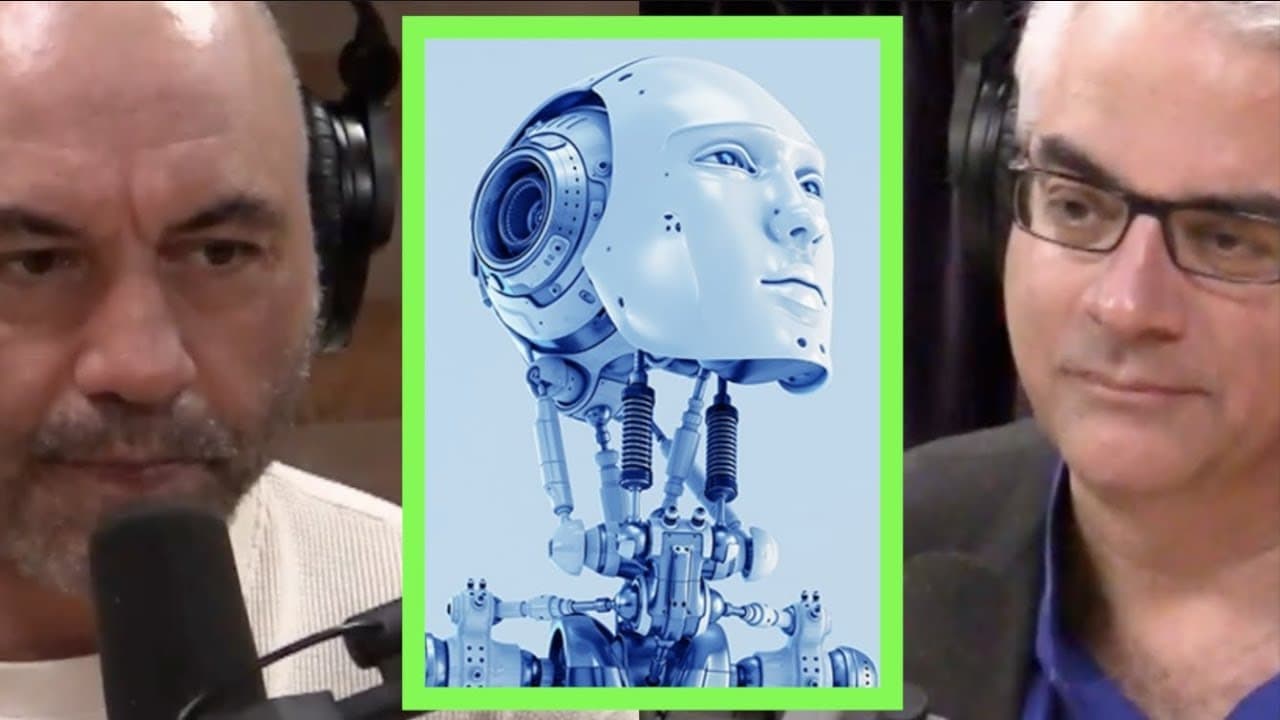
AI robots could change human social behavior by teaching habits that spill over into relationships with other people, Yale professor Nicholas Christakis tells Joe Rogan. He argues that a child’s rudeness to Alexa may reach the playground, while sex robots could shape expectations of human partners and predictable autonomous cars could reduce drivers’ vigilance. Read on to understand these externalities, competing arguments, and possible safeguards.
Transcript
how much time have you put into artificial intelligence and a lot we do a lot of work in my lab on AI what about sex robots like what rules should they give for sex robot yeah how much could that damage interpersonal relations yes that's a great question that's exactly the right question in my view so our concern with sex robots from a liberty poin... Read More
Key Insights
- The core concern with AI is not the direct human-robot interaction but the externalities and cascade effects, meaning how interacting with a robot changes the way you subsequently treat other human beings around you.
- Children who can be as rude as they want to Alexa, which never requires 'please,' may carry that rudeness to the playground, so Alexa can corrode the social fabric by making children rude to each other.
- Asimov-style laws focus on stopping robots from harming their user, but the deeper worry is different: how a robot interacting with you might cause you to harm others through cascade effects.
- Sex robots are framed as a liberty issue where private enjoyment is your own business, but the legitimate concern is how that experience changes how you later interact with real human partners.
- Arguments for sex robots include safe experimentation with same-sex or group scenarios, becoming a better lover, avoiding venereal diseases, and not hurting a partner's feelings.
- Arguments against sex robots hold they are symbolically vile, reduce sex to a machine function, and may train people to expect anonymous, impersonal, or obedient partners in real life.
- Autonomous vehicles that drive perfectly predictably could lull human drivers into a false sense of security, making them inattentive and causing more collisions when they return to human-only roads.
- Christakis suggests programming autonomous cars to occasionally behave erratically, slowing or speeding slightly, to keep nearby human drivers vigilant and preserve that attention on human-only stretches.
Install to Summarize YouTube Videos and Get Transcripts
Explore YouTube Video Summarizer or Get YouTube Transcript Extractor
Questions & Answers
Q: What is Nicholas Christakis’s main concern about how AI robots affect human behavior?
His main concern is not the private interaction between a person and a robot, but how that experience changes the person’s later behavior toward other people. He describes these wider consequences as externalities and cascade effects that can damage the social fabric.
Q: How could Alexa teach children to be rude?
Alexa acts as an obedient servant even when a child does not say “please” or speaks rudely. Christakis argues that the child may carry the behavior learned from Alexa to the playground and become rude to other children, although he says Alexa would contribute to the behavior rather than necessarily cause it alone.
Q: Why might devices that speak to children need regulation?
Christakis suggests regulating their programming because interactions with those devices may influence how children treat other people. The purpose would not be to deprive a child of the right to speak freely, but to protect others from harmful behavior learned through repeated interactions with an obedient AI.
Q: Why does Christakis say the concern with sex robots is not primarily about private behavior?
From a liberty perspective, he says a person’s private enjoyment of a sex robot is their own business. His concern begins when that experience changes how the person subsequently treats human partners, much like pollution on private land becomes a public concern when it runs onto someone else’s land.
Q: What benefits do supporters claim sex robots could provide?
Supporters argue that people could experiment with same-sex relationships or group sex and practice becoming better lovers. They also say users could not contract venereal diseases from the robots or hurt the robots’ feelings.
Q: What harms do opponents associate with sex robots?
Opponents consider sex with robots symbolically and conceptually vile because it converts sex into a machine-like function. They also worry that it could train people to pursue anonymous or impersonal human interactions and expect an obedient partner.
Q: How could autonomous vehicles reduce human drivers’ vigilance?
Christakis warns that perfectly predictable autonomous cars could lull nearby human drivers into a false sense of security and make them less attentive. When those drivers later enter human-only stretches of road, their reduced vigilance could lead to more collisions.
Q: What autonomous-car design could help human drivers remain attentive?
Christakis suggests that autonomous vehicles might occasionally behave less predictably, such as slowing down or speeding up slightly. This could oblige nearby human drivers to keep paying attention and preserve their vigilance for later interactions with human-driven cars.
Summary & Key Takeaways
-
Nicholas Christakis argues the key AI question is not whether you enjoy a sex robot or how a child treats Alexa in private, but how these interactions spill over and change how people treat one another, creating externalities and cascade effects across society.
-
Using Alexa and children as an example, he says a child who is rude to an obedient AI may become rude to other children, so we might regulate devices that speak to children not to limit the child but to protect the wider social fabric.
-
He applies the same logic to sex robots and autonomous vehicles, warning that predictable self-driving cars could lull drivers into inattention, and that genetic engineering via CRISPR will likely move from curing single-gene diseases toward enhancing offspring.
Read in Other Languages (beta)
Share This Summary 📚
Summarize YouTube Videos and Get Video Transcripts with 1-Click
Try YouTube Summary with ChatGPT & Claude or YouTube Transcript Generator
Explore More Summaries from JRE Clips 📚





Summarize YouTube Videos and Get Video Transcripts with 1-Click
Try YouTube Summary with ChatGPT & Claude or YouTube Transcript Generator