How Did Taylor Kitsch Train for Lone Survivor?
TL;DR
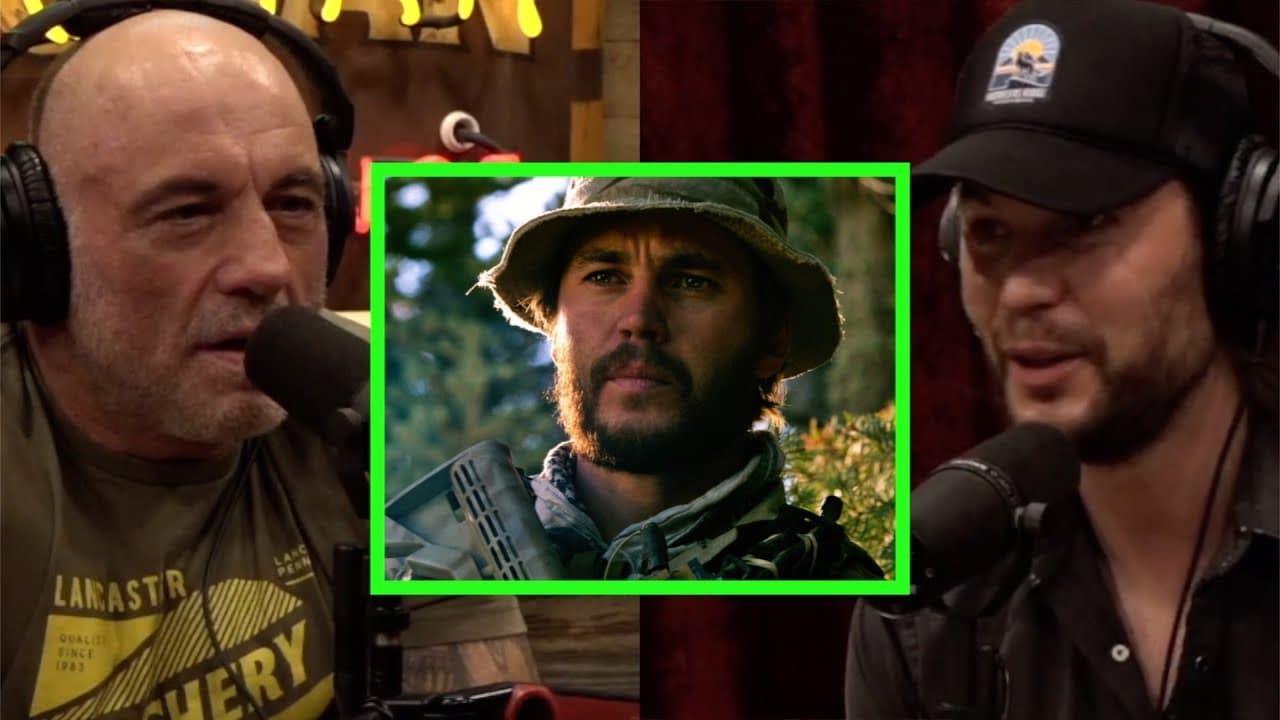
Taylor Kitsch trained for Lone Survivor with live-fire drills, simunition ambushes, 50-pound runs, weighted vests, and extensive mental preparation for playing Mike Murphy. The tactical exercises taught him to seek cover, communicate decisively, and take responsibility for his team, while meeting Murphy’s family deepened the role’s emotional stakes. Read on for specific lessons from Marcus Luttrell and the demanding exercises that shaped Kitsch’s performance.
Transcript
the Joe Rogan Experience. First day was live fire and that [ __ ] gets you right. That does you do not [ __ ] around and uh they make sure of it. And then uh I haven't I hadn't met Marcus yet and Foster uh had drove down I think from Texas to uh New Mexico with with Latrell. I was pretty jealous of that. I was like, "Ah, you got to spend some real ... Read More
Key Insights
- The tactical training was designed to demand immediate discipline. The actors began with live fire and practiced upside-down reloads, combat reloads, weapon jams, and blindfolded exercises, creating an environment where casual behavior and inattention could carry obvious consequences.
- The simunition exercises recreated the pressure of an ambush. SEALs dressed in Taliban gear, positioned themselves on a mountain, and attacked the actors with hard plastic, paint-tipped rounds while observing how well the group applied its previous week of training.
- Leadership required decisive communication during the simulated firefight. Kitsch, portraying Mike, had to determine whether the team should push left, push right, engage, withdraw, or buy time, and he learned that giving an order was insufficient if a teammate did not act.
- Marcus Luttrell treated hesitation as a life-or-death failure. After the actors were overwhelmed during an exercise, he held Kitsch responsible for failing to make a teammate move and emphasized that the entire group would have died under equivalent real-world circumstances.
- The training demonstrated the SEALs' ability to approach without detection. During one exercise, Kitsch believed his group was still successfully fighting from a ditch until sniper SEAL Mark Semos unexpectedly grabbed his shoulder, showing that their position had already been penetrated.
- Physical preparation included 50-pound runs and weighted-vest training. Kitsch performed this conditioning on the Skirwink Trail in Newfoundland while filming a comedy, and he said his body visibly changed from the beginning of that production to its end.
- Extensive preparation was Kitsch's method for reducing self-doubt. Before meeting Dan Murphy, he felt intensely nervous and questioned whether he had done enough, but he viewed preparation like fight training that creates confidence before a high-pressure performance.
- Character preparation made improvisation and sudden production changes easier. Kitsch believed an actor who is deeply rooted in the person can respond when Pete follows an instinct or introduces an idea on the day, including unexpected choices about where an important scene will be filmed.
Install to Summarize YouTube Videos and Get Transcripts
Explore YouTube Video Summarizer or Get YouTube Transcript Extractor
Questions & Answers
Q: How did Taylor Kitsch train for Lone Survivor?
Taylor Kitsch combined tactical exercises, physical conditioning, and mental preparation. He practiced live-fire reloads and weapon jams, faced simulated ambushes with paint-tipped rounds, and completed 50-pound runs and weighted-vest training while preparing to play Mike Murphy.
Q: What live-fire drills did Taylor Kitsch complete?
His first day included live fire, upside-down reloads, combat reloads, weapon-jam exercises, and blindfolded work. Kitsch described the training as full-on and said its seriousness immediately stopped the actors from treating it casually.
Q: How were simunitions used during the Lone Survivor training?
SEALs dressed in Taliban gear positioned themselves on a mountain and ambushed the actors with hard plastic, paint-tipped rounds that could hurt and break skin. The actors had to locate the incoming fire, find cover, communicate, and apply what they had learned during the previous week.
Q: What did Marcus Luttrell teach Kitsch about leadership?
During an ambush exercise, Kitsch ordered Emile to push right toward cover, but the movement did not happen quickly enough. Luttrell held Kitsch responsible, stressing that a leader must make the teammate move because the entire team would have died in a real engagement.
Q: What happened when sniper SEAL Mark Semos reached Kitsch’s position?
Kitsch believed his group was still successfully fighting from a ditch when Mark Semos suddenly grabbed his shoulder. The surprise showed Kitsch that the SEAL had penetrated their position without being detected.
Q: What physical conditioning did Taylor Kitsch do for Lone Survivor?
Kitsch performed 50-pound runs and trained with weighted vests on the Skirwink Trail in Newfoundland. He did this while filming a comedy in Canada and said his body became visibly more muscular from the beginning of that production to the end.
Q: Why did Taylor Kitsch consider the training mostly mental?
Kitsch said that 90% of the preparation was mental despite the demanding physical work. He wanted enough preparation to feel deeply rooted in Mike Murphy, particularly because he considered the role’s stakes so high.
Q: How did meeting Dan Murphy affect Taylor Kitsch’s preparation?
Kitsch said he was nervous enough to feel like throwing up before meeting Dan Murphy. He questioned whether he had prepared enough, whether he was ready, and whether he was worthy of portraying Mike Murphy, making the responsibility of the role intensely personal.
Summary & Key Takeaways
-
Kitsch's tactical preparation began with demanding live-fire exercises involving combat reloads, weapon jams, blindfolded work, and unconventional shooting positions. Later simunition scenarios forced the actors to react to ambushes, seek cover, communicate clearly, and confront the consequences of hesitation while experienced SEALs evaluated their decisions.
-
Physical conditioning included weighted runs, 50-pound loads, and weighted vests while Kitsch was filming a comedy in Newfoundland. He considered physical development important, but believed most of the challenge was mental. Extensive preparation helped him manage pressure, overcome doubts about his readiness, and become more deeply rooted in Mike Murphy.
-
Kitsch's emotional preparation centered on responsibility to Murphy, Marcus Luttrell, and the families connected to the operation. Personal stories, Murphy's firefighter patch, music, and specific remembered details shaped his performance. That foundation also helped him remain adaptable when Pete changed staging or introduced ideas during filming.
Read in Other Languages (beta)
Share This Summary 📚
Summarize YouTube Videos and Get Video Transcripts with 1-Click
Try YouTube Summary with ChatGPT & Claude or YouTube Transcript Generator
Explore More Summaries from JRE Clips 📚


Summarize YouTube Videos and Get Video Transcripts with 1-Click
Try YouTube Summary with ChatGPT & Claude or YouTube Transcript Generator