Why Was the 9/11 Commission Set Up to Fail?
TL;DR
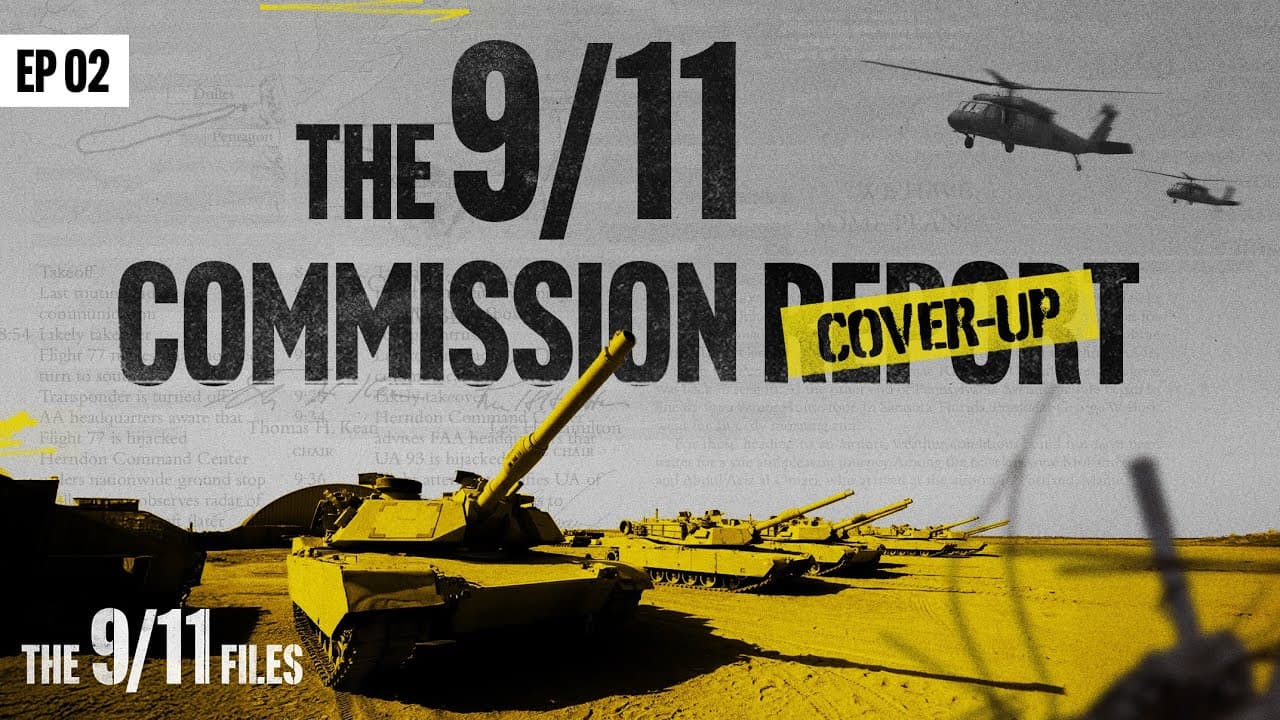
The 9/11 Commission was deliberately weakened, according to the documentary, through limited funding, weak subpoena power, a strict 18-month deadline, and White House influence over its leadership. It argues that pressure from victims’ families forced the investigation into existence, while the Bush administration resisted scrutiny and redirected attention toward a global war on terror and an invasion of Iraq.
Transcript
In January 2000, as the CIA was tracking two future hijackers as they journeyed to Los Angeles, George W. Bush was seven months into his presidential campaign. What we're gonna do is we're gonna do something no other presidential candidate has been able to do... The near impossible. Remember what it was the near impossible. Turn like that. One of t... Read More
Key Insights
- The official account discussed in the documentary rests heavily on the 9/11 Commission’s final report. The documentary challenges that report’s authority by arguing that the commission was intentionally underfunded, poorly structured, politically controlled, and later described by its own chairman as having been set up to fail.
- The Bush administration initially opposed efforts to investigate how the attacks occurred, according to the documentary. It attributes this resistance partly to concerns about exposing administration failures and damaging President Bush’s political standing while his approval rating and plans for reelection remained important considerations.
- The administration shifted attention toward Iraq soon after the attacks, according to Richard Clarke’s account cited in the documentary. Donald Rumsfeld reportedly wanted to consider striking Saddam Hussein alongside Osama bin Laden, while Bush asked Clarke to investigate whether Saddam had any involvement.
- Kristen Breitweiser’s advocacy grew from the loss of her husband, Ron, who called her from the World Trade Center shortly before his building was struck. She says her regret and unanswered questions motivated her to fight for an investigation that could explain how the attacks were allowed to happen.
- The Jersey Girls were four 9/11 widows who publicly questioned the official narrative and demanded accountability from government officials. Their sustained advocacy helped transform public concern about intelligence failures into political pressure for an independent investigation, even though the documentary says their concerns were ultimately ignored.
- The joint congressional inquiry discovered that the NSA had intercepted al-Qaeda messages before the attacks stating that the match would begin the next day and that the next day was zero hour. After those messages reached CNN, the FBI investigated committee members, creating what one account describes as intimidation.
- The independent commission was constrained by weak subpoena power, an 18-month deadline, and a $3 million budget. The documentary compares that appropriation with investigations of the Monica Lewinsky scandal and Russiagate, which it says received 13 times and 11 times more funding, respectively.
- The White House influenced the commission through its authority to select the chairman, according to the documentary. President Bush initially chose Henry Kissinger, a former National Security Advisor and Secretary of State, raising concerns among Breitweiser and other advocates about whether the investigation would be genuinely independent.
Install to Summarize YouTube Videos and Get Transcripts
Explore YouTube Video Summarizer or Get YouTube Transcript Extractor
Questions & Answers
Q: Why does the documentary call the 9/11 Commission a cover-up?
The documentary argues that the commission was structured to prevent a complete and independent investigation. It cites the commission’s $3 million budget, weak subpoena power, strict 18-month deadline, and White House influence over the selection of its chairman. It also says the Bush administration had previously opposed investigations, pressured congressional leaders, and focused on protecting the president’s reputation and advancing military action.
Q: How did the Jersey Girls help create the 9/11 Commission?
The Jersey Girls, including Kristen Breitweiser, were four widows who persistently demanded answers about the deaths of their husbands and possible government failures. They appeared publicly, challenged the administration’s account, and pressed for an independent investigation after becoming dissatisfied with the congressional inquiry. Their advocacy helped sustain political pressure until President Bush signed legislation establishing the commission on November 27, 2002.
Q: Why did Kristen Breitweiser become a 9/11 accountability advocate?
Breitweiser’s husband, Ron, called her from the World Trade Center on the morning of September 11 and assured her that he was safe because the explosion was in the neighboring building. His building was struck minutes after their final conversation. Breitweiser says her regret about not telling him to leave, combined with unanswered questions about the attacks, motivated her campaign for an investigation.
Q: How did the Bush administration respond to demands for a 9/11 investigation?
According to the documentary, the administration strongly resisted outside scrutiny. Dick Cheney reportedly warned Senate Majority Leader Tom Daschle that officials leading the war on terror were too busy to prepare for hearings or testify. The documentary interprets this as an implied accusation that investigators would interfere with the war effort. Bush later signed the commission legislation while accepting restrictions that weakened its authority and resources.
Q: What restrictions were placed on the 9/11 Commission?
The commission received weak subpoena power, a strict 18-month timeline, and a total appropriation of $3 million. The documentary says this was far less than the funding provided for other prominent investigations, including 13 times more for the Monica Lewinsky matter and 11 times more for Robert Mueller’s Russiagate investigation. It argues that these constraints made a comprehensive examination of the attacks extremely difficult.
Q: What warning messages did the NSA intercept before September 11?
The joint congressional inquiry learned on June 19, 2002, that the NSA had intercepted messages from al-Qaeda operatives on the day before the attacks. The messages said that the match would begin the next day and that the next day was zero hour. After someone on the committee leaked the messages and CNN broadcast them, the FBI investigated and polygraphed committee personnel, according to the documentary.
Q: Why does Iraq feature in the documentary’s account of the 9/11 response?
The documentary argues that senior Bush administration officials quickly treated the attacks as an opportunity to pursue military action against Iraq. It cites Richard Clarke’s account that Rumsfeld and Wolfowitz promoted their Iraq agenda, Rumsfeld’s stated instinct to strike Saddam Hussein alongside bin Laden, Bush’s request to examine Saddam’s possible involvement, and Wolfowitz’s argument at Camp David that Iraq was the source of the terrorist problem.
Q: How did the White House influence the 9/11 Commission’s leadership?
The documentary says the White House controlled the initial selection of the commission chairman. President Bush’s first choice was Henry Kissinger, who had served as National Security Advisor and Secretary of State under Richard Nixon. Breitweiser viewed that choice with concern, and the documentary presents it as further evidence that the administration could shape an investigation intended to examine its own actions and failures.
Summary & Key Takeaways
-
The documentary argues that the Bush administration resisted a thorough investigation of the September 11 attacks while quickly using the crisis to advance a global war on terror. Richard Clarke’s account is cited to support the claim that senior officials began considering Iraq almost immediately, despite the initial evidence pointing toward al-Qaeda.
-
Kristen Breitweiser describes losing her husband, Ron, in the World Trade Center and turning her grief into advocacy. Alongside three other widows known as the Jersey Girls, she demanded answers about government failures. Their public pressure helped build support for an independent commission after the initial congressional inquiry encountered resistance and intimidation.
-
Congress authorized an independent commission in November 2002, but the documentary says its design prevented a complete investigation. It received a strict 18-month schedule, weak subpoena authority, and only $3 million. The White House also selected its first chairman, Henry Kissinger, reinforcing concerns that the administration could influence the investigation’s direction.
Read in Other Languages (beta)
Share This Summary 📚
Summarize YouTube Videos and Get Video Transcripts with 1-Click
Try YouTube Summary with ChatGPT & Claude or YouTube Transcript Generator
Explore More Summaries from Tucker Carlson 📚




Summarize YouTube Videos and Get Video Transcripts with 1-Click
Try YouTube Summary with ChatGPT & Claude or YouTube Transcript Generator