How To Deal With Suffering In Your Life - Buddha (Buddhism)
TL;DR
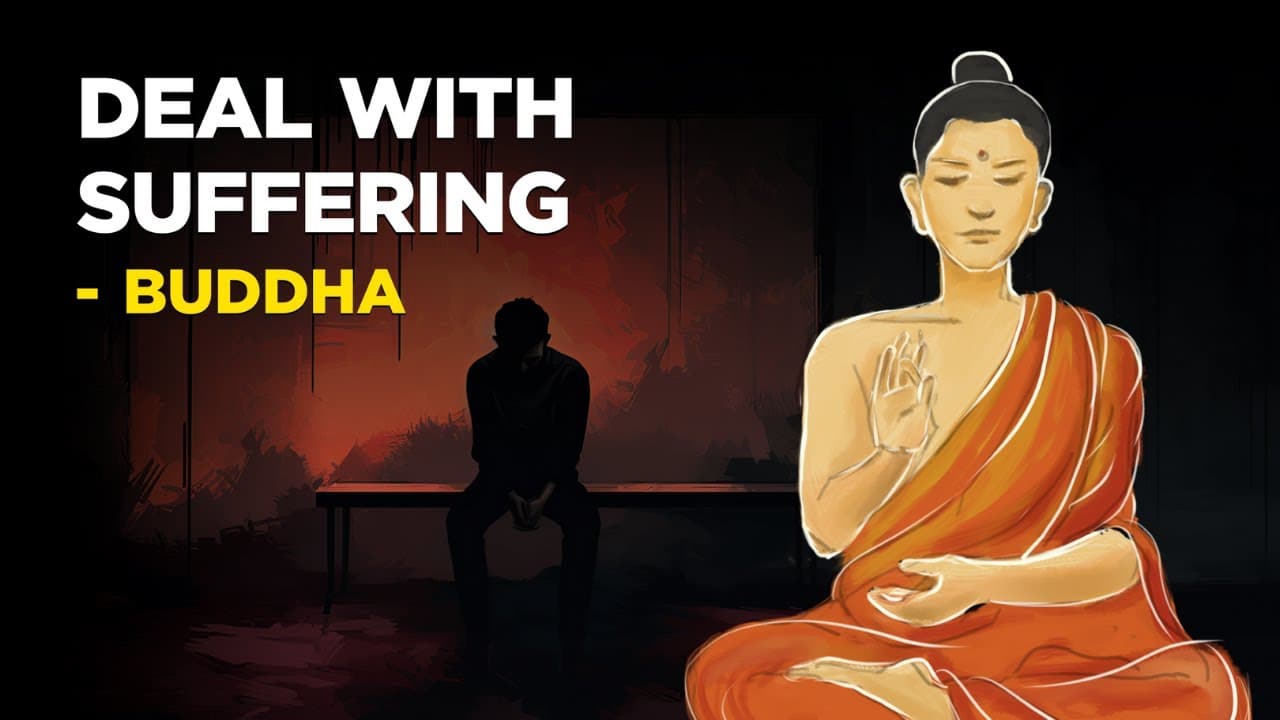
Buddha’s teachings suggest dealing with suffering by acknowledging it as a natural part of existence, examining the cravings and mental states that cause it, and following the Four Noble Truths toward its cessation. The Three Poisons, craving, aversion, and ignorance, perpetuate dissatisfaction, while mindfulness, ethical conduct, wisdom, and mental discipline offer a path toward Nirvana. Read on for a practical breakdown of this framework.
Transcript
Buddha was a philosopher, a spiritual leader and is credited as the founder of Buddhism. He was born as Siddhartha Gautama into an aristocratic family in Lumbini, Nepal, in 566 BC, and when he was twenty-nine years old, he left the comforts of his home to seek the meaning of the suffering he saw around him, to search for a life beyond life and deat... Read More
Key Insights
- ❤️🩹 Buddha's teachings focus on understanding suffering and the means to end it through self-realization.
- ❓ The Four Noble Truths provide a framework for addressing the nature of suffering and finding liberation.
- 🏍️ The Three Poisons of cravings, aversion, and ignorance contribute to the cycle of suffering in individuals.
- ❤️🩹 The Eightfold Path offers a comprehensive guide to ending suffering through wisdom, ethical behavior, and mental discipline.
- 💨 Balancing desires and embracing a sustainable lifestyle is integral to following Buddha's middle way.
- 🤳 The practice of mindfulness and self-reflection helps individuals gain insights into the root causes of suffering.
- ❓ Buddha's teachings emphasize personal effort and the path to true happiness through ethical conduct and wisdom.
Install to Summarize YouTube Videos and Get Transcripts
Explore YouTube Video Summarizer or Get YouTube Transcript Extractor
Questions & Answers
Q: How can Buddha’s teachings help you deal with suffering in your life?
Begin by acknowledging that suffering is a natural part of existence instead of suppressing it, blaming yourself, or taking it personally. Then examine its mental causes and follow the Four Noble Truths, including the path of wisdom, ethical behavior, and mental discipline that leads toward its end.
Q: What are the Four Noble Truths in Buddhism?
The Four Noble Truths address suffering, its origin, its cessation, and the path to liberation from it. They provide a framework for recognizing Dukkha, identifying why it arises, understanding that it can end, and taking steps toward that end.
Q: What does Dukkha mean in Buddha’s teachings?
Dukkha means suffering and is the second of the Three Marks of Existence. It includes severe pain, illness, and trauma as well as common experiences such as frustration, disappointment, boredom, unease, and the fear of aging.
Q: Why does acknowledging suffering help during difficult times?
Buddha’s teaching presents suffering as an unavoidable part of a life that contains both happiness and pain. Acknowledging this can make hardship feel less shocking or personal and support peace during difficulty, with the understanding that suffering changes over time.
Q: What is Samudaya, the Second Noble Truth?
Samudaya refers to the cause or origin of suffering and dissatisfaction. The teaching says suffering arises from one’s mental state, particularly craving for sensual desires, being, and non-being, rather than simply from external events.
Q: What are the Three Poisons that cause suffering?
The Three Poisons are craving, aversion, and ignorance. These negative qualities of the mind fuel desire, hatred, and delusion, perpetuating suffering and dissatisfaction.
Q: How does the Eightfold Path help end suffering?
The Eightfold Path guides people through three broad disciplines: wisdom, ethics, and mental discipline. By cultivating insight, ethical behavior, and mindful awareness, a person follows the path toward liberation from suffering and Nirvana.
Q: What are the Three Marks of Existence according to Buddha?
The Three Marks of Existence are Annica, Dukkha, and Anatta. Annica means life is in constant flux, Dukkha means life is painful and causes suffering, and Anatta means the self is always changing.
Summary & Key Takeaways
-
Buddha, a spiritual leader and founder of Buddhism, sought to understand suffering and the nature of existence.
-
His teachings revolve around Dukkha (suffering), its causes, and the path to end it through the Four Noble Truths.
-
The Four Noble Truths address suffering, its origin in desires, the end of suffering, and the path to liberation.
Read in Other Languages (beta)
Share This Summary 📚
Summarize YouTube Videos and Get Video Transcripts with 1-Click
Try YouTube Summary with ChatGPT & Claude or YouTube Transcript Generator
Explore More Summaries from Philosophies for Life 📚


Summarize YouTube Videos and Get Video Transcripts with 1-Click
Try YouTube Summary with ChatGPT & Claude or YouTube Transcript Generator