How to Find Happiness Through Confucian Wisdom
TL;DR
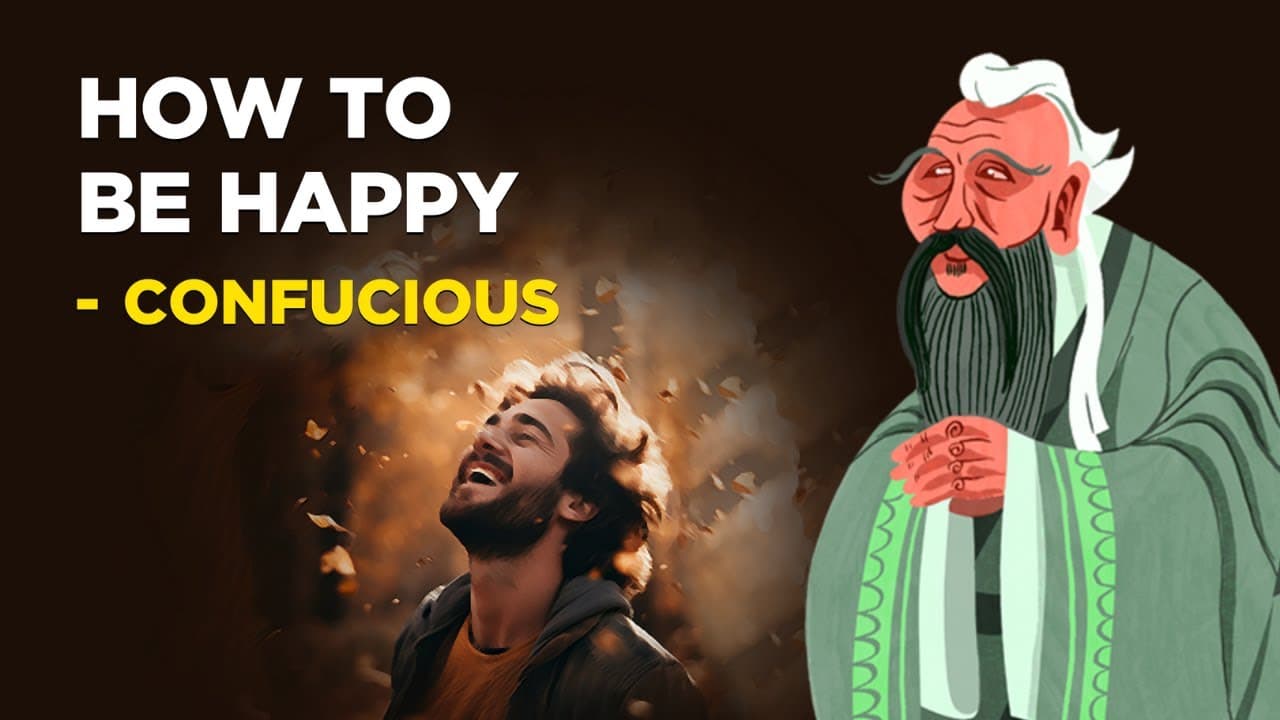
Happiness comes from fulfilling desires through moral methods, cultivating compassionate relationships, controlling anger, simplifying life, and progressing steadily toward meaningful goals. Confucian wisdom also emphasizes learning through reflection, imitation, and experience, while treating sincerity, righteousness, kindness, and moral awareness as foundations for a satisfying life.
Transcript
This video is brought to you by Babbel. Babel is an ad free and the number 1 language learning app used by over 10 million users worldwide. We will talk more about Babbel at the end of the video but for now let’s get on with how to be happy from the wisdom of Confucius. Confucius was a Chinese philosopher, political figure and a teacher, and who st... Read More
Key Insights
- Happiness is both the satisfaction of fulfilling desires and the knowledge that those desires were achieved through moral methods. Confucian happiness therefore evaluates not only what a person obtains, but also whether the conduct used to obtain it reflects morality.
- Confucianism revolves around benevolence, righteousness, fulfillment of rights, and moral wisdom. A fifth virtue, faith, was later added in Chinese culture and associated with the five elements of earth, water, fire, wood, and metal.
- Benevolence, or ren, is respect for human dignity, humanity toward others, and self-esteem. It guides human action and relationships by asking people to avoid doing to others what they would not want done to themselves.
- Intimate relationships are the starting point for cultivating compassion and harmony. Smiling, greeting loved ones warmly, asking about their well-being, listening carefully, speaking honestly, and treating everyone fairly can strengthen mutual respect and happiness.
- Anger is a poor guide because an impulsive reaction can create increasingly serious consequences. Considering immediate effects, retaliation, physical conflict, broken friendships, lost respect, or workplace damage makes it easier to respond gently and protect long-term relationships.
- Simplicity is the practice of focusing on what matters most and releasing concerns that do not deserve major attention. Asking which three things matter most, what action matters now, and whether life is being kept simple can reduce overthinking.
- Consistent progress matters more than speed when pursuing an important goal. Unrealistic deadlines and excessive focus on rewards can encourage people to quit, while daily effort, skill development, revised plans, and persistence help them continue through obstacles and failure.
- Wisdom can be learned through reflection, imitation, and experience. Reflection is described as the noblest method, imitation as the easiest, and experience as the bitterest, while continued learning is presented as important rather than becoming satisfied with existing knowledge.
Install to Summarize YouTube Videos and Get Transcripts
Explore YouTube Video Summarizer or Get YouTube Transcript Extractor
Questions & Answers
Q: What does Confucius say happiness is?
Happiness is not simply getting everything a person desires. It also includes the satisfaction of knowing that the methods used to fulfill those desires were moral. This view connects happiness with conduct, requiring people to pursue meaningful results through loyalty, morality, kindness, sincerity, and respect instead of judging life only by possessions or completed goals.
Q: How can relationships create happiness in Confucianism?
Relationships create happiness when people practice benevolence, sincerity, fairness, morality, and compassion without treating kindness as a transaction. The process begins with oneself and close family, then extends to friends, community, nation, and humanity. Warm greetings, honest speech, careful listening, and concern for another person’s well-being can create harmony, respect, affection, and stronger bonds.
Q: What is ren in Confucian thought?
Ren is benevolence, described as respect for the dignity of human life, humanity toward other people, and self-esteem. It is presented as a guide for human action and a foundation for relationships. Its practical expression follows the golden rule: people should not do to others what they would not want others to do to them.
Q: How should someone control anger according to Confucius?
A person should pause when anger rises and consider the consequences before acting. That means looking beyond immediate emotional satisfaction to possible retaliation, conflict, injury, damaged friendships, lost respect, or workplace problems. Taking a breath and presenting disagreement more gently protects the other person’s feelings and self-esteem while supporting better relationships and long-term happiness.
Q: How can someone simplify life to become happier?
A simpler life comes from concentrating on what is genuinely important and letting go of concerns that should not dominate attention. Overthinking, imagined judgments, and fixation on what is missing can create unnecessary distress. Helpful questions include identifying the three most important things in life, choosing the most important action now, and checking whether the current approach remains simple.
Q: Why does slow progress still matter when pursuing goals?
Slow progress matters because continuing to move forward is more important than meeting an artificial timetable. High expectations and socially imposed deadlines can make an early obstacle feel like complete failure. Confucian advice favors changing ineffective plans and actions, developing knowledge and skills, applying daily effort, and finding ways around obstacles instead of abandoning an important goal.
Q: How should someone respond to failure according to Confucian wisdom?
Failure should prompt adjustment and renewed effort, not immediate surrender. If a previous plan does not work, the person should change the plan or actions while continuing toward the goal. Success depends on repeatedly recovering after setbacks, maintaining motivation, practicing consistently, developing personal skills, and treating each obstacle as a problem that can be crossed or overcome.
Q: What are the three ways to learn wisdom?
Wisdom may be learned through reflection, imitation, and experience. Reflection is described as the noblest approach because it involves thoughtful consideration. Imitation is called the easiest because a person can follow an example. Experience is described as the bitterest because direct lessons can be difficult. Continued learning remains important instead of becoming satisfied with current knowledge.
Summary & Key Takeaways
-
Confucian happiness combines personal satisfaction with moral conduct. The central virtues include benevolence, righteousness, fulfillment of rights, and moral wisdom, with faith added later in Chinese culture. A meaningful life therefore depends not merely on obtaining desired results, but also on reaching them through methods that respect morality, kindness, loyalty, and humanity.
-
Compassionate relationships begin with benevolence, or ren, expressed through respect for human dignity, concern for others, and self-esteem. Confucian practice starts with kindness toward oneself and one’s family, then expands to friends, community, nation, and humanity. Sincerity, fairness, attentive listening, and warm greetings help create harmony and reciprocal respect.
-
Happiness also requires self-control, simplicity, persistence, and continued learning. Thinking through long-term consequences can prevent anger from damaging relationships or work. Focusing on what matters reduces unnecessary complications, while steady daily effort sustains progress through setbacks. Wisdom develops through reflection, imitation, and the sometimes bitter lessons provided by direct personal experience.
Read in Other Languages (beta)
Share This Summary 📚
Summarize YouTube Videos and Get Video Transcripts with 1-Click
Try YouTube Summary with ChatGPT & Claude or YouTube Transcript Generator
Explore More Summaries from Philosophies for Life 📚



Summarize YouTube Videos and Get Video Transcripts with 1-Click
Try YouTube Summary with ChatGPT & Claude or YouTube Transcript Generator