How to spot valuable car and bike treasures in a stacked garage
TL;DR
A good pick hinges on spotting genuine interest, potential, and story behind items. Look for pieces with documented history, original parts, and negotiable condition where repairs could restore value. Strong intuition, careful inspection, and respectful negotiation often turn obscure finds into viable keepsakes or sales.
Transcript
MIKE: Hey, you John? JOHN L: Yeah. MIKE: Hey, I'm Mike. Talked to Dani? JOHN L: Yeah, hi. MIKE: Hey, good to see ya. FRANK: Hey John, how you doing? My name's Frank. JOHN: Oh, good for... FRANK: Pleasure. MIKE: What you got? JOHN L: Well, I was just looking through the drawers, and I found this model of a car that my father designed for Citroen. FR... Read More
Key Insights
- The key to a successful pick is recognizing genuine provenance, such as a father’s career in automotive design and links to iconic models.
- The Rivera replica and Corvette-related items illustrate how design heritage can elevate value beyond mere novelty.
- Original or period-correct modifications, like the Mini Cooper’s twin gas tanks and English upgrades, can enhance desirability for specific collectors.
- Rust, structural integrity, and missing components dramatically affect a vehicle’s market value and sale viability.
- Effective negotiating often centers on a clear price that reflects both current condition and potential restoration costs.
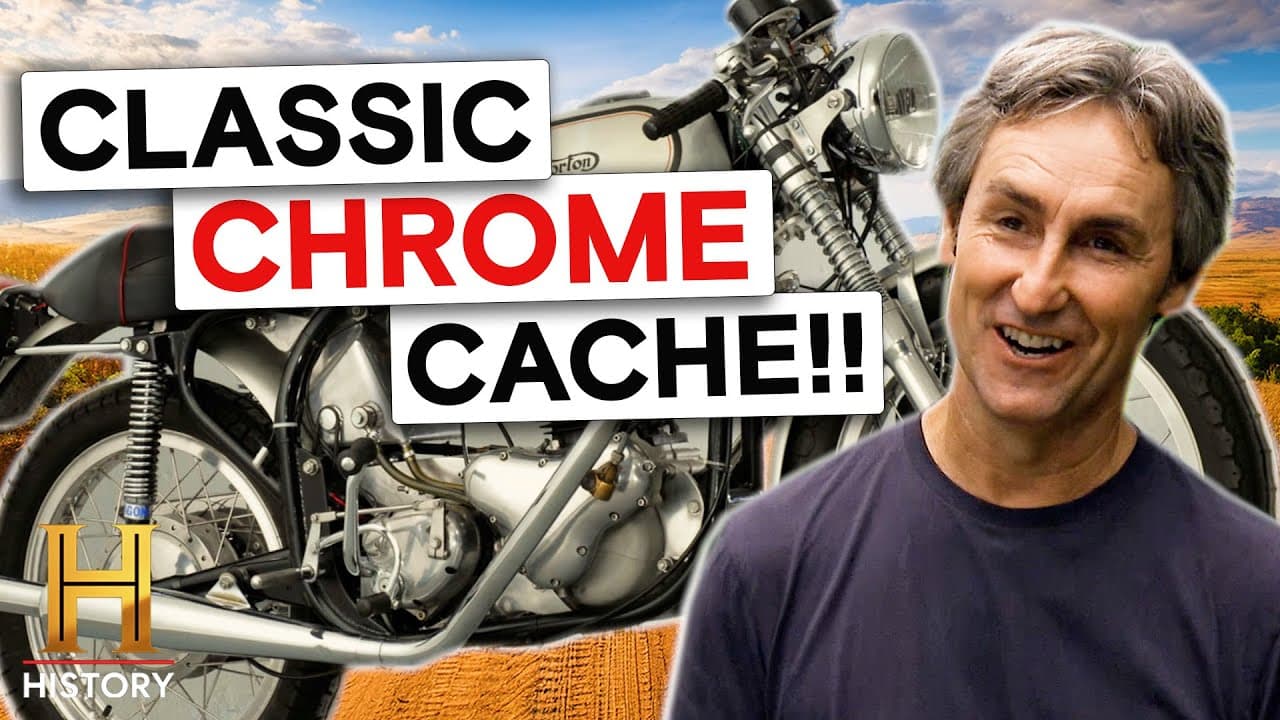
- A dealer’s ability to identify and retrieve hard-to-find parts, like Norton tank components, creates added value for buyers and sellers alike.
- The emotional dimension of passing treasures to future generations is a recurring theme that informs how items are selected for sale or display.
- The episode demonstrates that high risk can yield high rewards when a seller’s story aligns with a buyer’s interests and resources.
- More videos from this channel:
- More from this channel: HISTORY
Install to Summarize YouTube Videos and Get Transcripts
Explore YouTube Video Summarizer or Get YouTube Transcript Extractor
Questions & Answers
Q: A real search query question about the video (e.g. 'How to...', 'What is...', 'Why does...'). Question 1
To spot valuable car and bike treasures, start by understanding the owner’s story and provenance, such as a father who worked for Citroen and GM and contributed to iconic designs. Look for documentation, period modifications, and signs of original parts. Then assess condition, potential repairs, and what a buyer would value in restoration projects.
Q: Question 2
Evaluate a project car like the 1968 Mini Cooper S Mark II by examining its customization history, how it was sourced from England, and the availability of rare components. Consider the cost of bringing it back to roadworthy status, including engine work, rust, and top condition of key parts before negotiating a price.
Q: Question 3
When deciding whether to buy, listen for items with genuine stories and connections to automotive legends, such as a father who influenced Corvette design. Provenance adds intrinsic value beyond appearance, and buyers are often willing to pay more for items tied to celebrated histories and respected designers.
Q: Question 4
How do rust and missing components affect value? Structural rust, especially where the floor meets the wheel well, lowers value by signaling costly repairs. Missing or repainted pieces, like a Norton gas tank, can complicate resale but may still appeal to specialized collectors if the core item is solid and complete in other aspects.
Q: Question 5
What makes a good negotiation price? A fair starting point considers the current repair needs and the cost to restore, while allowing room for the seller to acknowledge the item’s historic value. In this scene, a practical offer is balanced with respect for the owner’s attachment and the collector’s budget.
Q: Question 6
Why are vintage bikes and cars valuable to collectors? They represent engineering milestones, unique design languages, and a link to a specific era. Collectors seek originality, authenticity, and rare configurations such as dual gas tanks or European upgrades that differentiate a piece from modern replicas.
Q: Question 7
How does emotional connection influence buying decisions? Shared history with the item or family legacy can guide which pieces to acquire or pass on, and it often shapes whether a buyer chooses to keep an item for personal collection or place it with a new owner who will appreciate its story.
Q: Question 8
What is the overall takeaway about Risks and Rewards in collecting? Taking calculated risks on fascinating artifacts with strong backstories can yield meaningful rewards, but success relies on careful evaluation, patience, and aligning the purchase with long term goals and available resources.
Summary & Key Takeaways
-
A collector discusses finding valuable pieces in a cluttered garage and how provenance and condition influence value, including a Corvette connection and the Riviera replica. The segment emphasizes collecting with respect for the owner's history and the potential for authentic restoration projects.
-
The episode showcases a Mini Cooper S Mark II from 1968, its customization in England, and the challenges of transporting and evaluating such a car, highlighting how vintage bikes and cars appeal to specialists and collectors.
-
The narrative underscores the emotional aspect of collecting, the care taken to preserve family legacy, and the joy of pairing pieces with new homes while recognizing when items may be worth keeping versus selling for a fair price.
Read in Other Languages (beta)
Share This Summary 📚
Summarize YouTube Videos and Get Video Transcripts with 1-Click
Try YouTube Summary with ChatGPT & Claude or YouTube Transcript Generator
Explore More Summaries from HISTORY 📚


Summarize YouTube Videos and Get Video Transcripts with 1-Click
Try YouTube Summary with ChatGPT & Claude or YouTube Transcript Generator