How to CNC Cut Glass Plates and Mirrors Safely
TL;DR
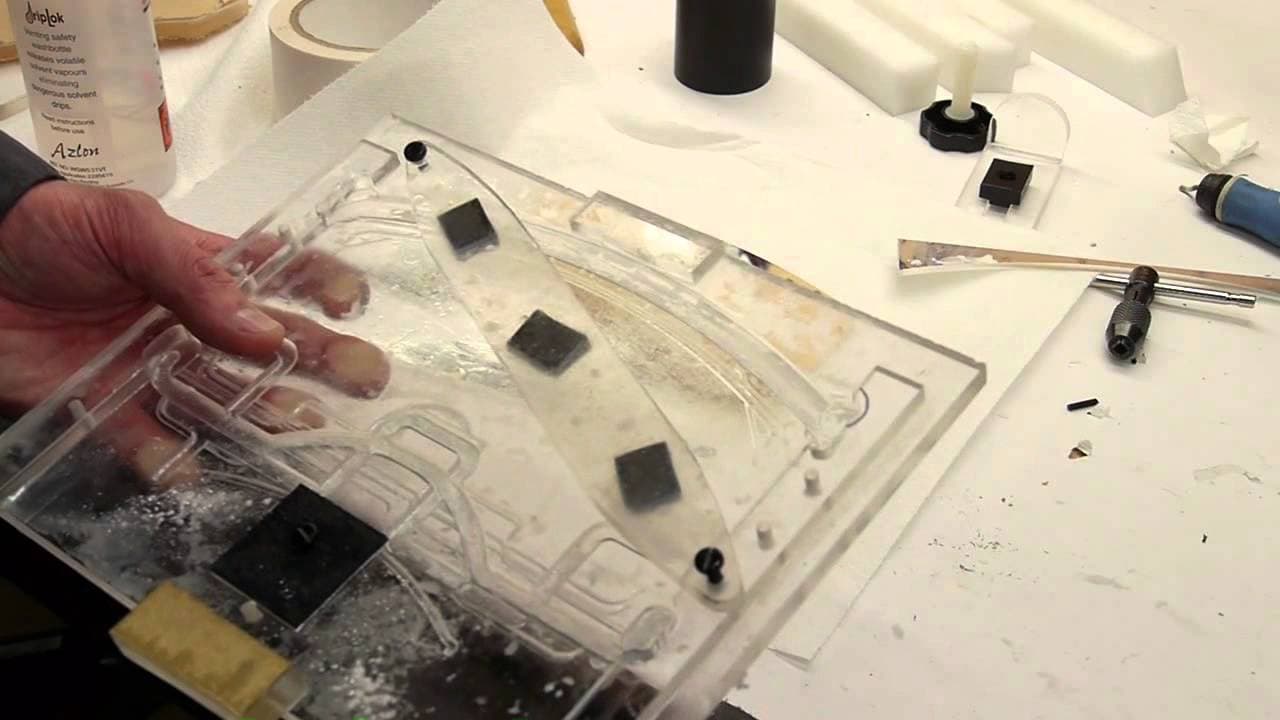
To CNC cut glass plates and mirrors successfully, use a jig with rubber pads for secure clamping and avoid direct plunging into the material. Employ cutting fluid such as soluble oil to keep the cutter cool and prevent breakage due to thermal expansion. Opt for the slowest feed rate possible to reduce the risk of damaging expensive glass pieces.
Transcript
here's a technique that I use every once in a while that doesn't have much documentation on the net I CNC cut glass and mirrors if you need a piece of glass or a mirror in a shape especially if it has curves involved you will not be able to cut it with a typical score and break type method I mean at least not for curves like this so this piece of g... Read More
Key Insights
- 😎 Clamping glass and mirrors during CNC cutting is challenging, but using a jig with rubber pads provides secure support.
- 😎 Cutting fluid, such as a soluble oil, is crucial for maintaining a cool cutter tool and preventing thermal expansion-induced breakage.
- 😒 It is best to use the slowest feed rate possible when CNC cutting expensive glass or mirror pieces to avoid costly mistakes.
- 😎 Plunging directly into glass or mirrors should be avoided, and instead, a pocket can be used for safer cutting.
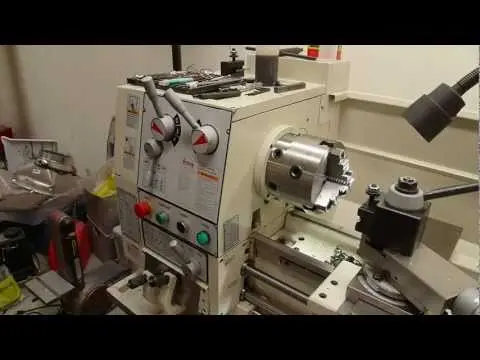
- 🛟 The mentioned CNC machine, Bridgeport series 1r2 III with a boss 8 controller, is reliable and has served well for years.
- 🏅 The machine is controlled via a serial port and uses old CAD CAM software, although an upgrade is being considered.
- 😎 Cutting glass and mirrors with a CNC machine allows for precise shapes and finishes, without sharp edges or chipping.
Install to Summarize YouTube Videos and Get Transcripts
Explore YouTube Video Summarizer or Get YouTube Transcript Extractor
Questions & Answers
Q: What challenges are involved in CNC cutting glass and mirrors?
One of the main challenges is clamping the glass without breaking it. Traditional hold-down clamps cannot be used, so a jig with rubber pads is recommended to provide secure horizontal and vertical support.
Q: How should cutting fluid be used when CNC cutting glass and mirrors?
It is important to use a cutting fluid, such as a soluble oil, to keep the cutter tool cool and prevent the glass from heating up and breaking due to thermal expansion. This fluid should be applied consistently during the cutting process.
Q: What is the ideal feed rate for CNC cutting glass and mirrors?
It is recommended to initially program the feed rate for around three inches per minute and then slow it down to one inch per minute on the control panel. The feed rate can be adjusted using the dial on the machine to ensure precise cutting.
Q: Can a CNC machine plunge directly into glass or mirrors?
Plunging directly into glass or mirrors is not recommended. Instead, set up the jig to have a pocket outside of the cut so that the cutter tool can go down into the pocket, cut across, and then come back up. This method reduces the risk of damage to the glass or mirror.
Summary & Key Takeaways
-
CNC cutting glass and mirrors requires special techniques, especially for curved shapes that cannot be cut using traditional methods.
-
Clamping the glass is crucial, and using a jig with rubber pads helps securely hold it without breaking.
-
Cutting fluid, particularly a soluble oil, is essential for keeping the cutter cool and preventing the glass from breaking due to thermal expansion.
Read in Other Languages (beta)
Share This Summary 📚
Summarize YouTube Videos and Get Video Transcripts with 1-Click
Try YouTube Summary with ChatGPT & Claude or YouTube Transcript Generator
Explore More Summaries from Applied Science 📚

Summarize YouTube Videos and Get Video Transcripts with 1-Click
Try YouTube Summary with ChatGPT & Claude or YouTube Transcript Generator