Molecular gastronomy (playing with food): "reverse" spherification maraschino cherries
TL;DR
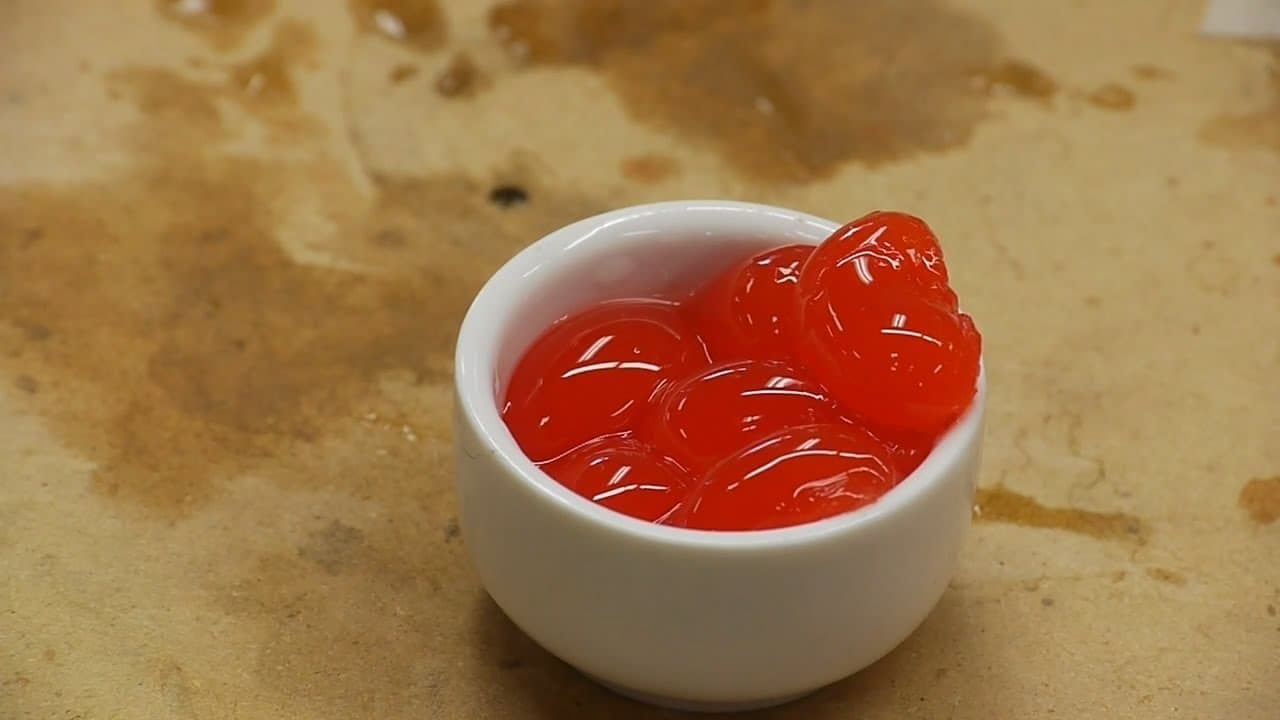
Learn how to use the process of spherification to create cherry spheres using a reverse method, resulting in a juicy cherry with a gel-like skin.
Transcript
hey everyone I got another food hack for you some of them in the comments section suggested this purification or molecular gastronomy via ever-popular term to describe playing with food in the comments of one of my last videos so I bought this silly little kit here originally I was interested in this process they call spherification where you make ... Read More
Key Insights
- 🥘 Spherification is a popular technique in molecular gastronomy, allowing for the creation of unique food forms.
- 😇 Reverse spherification is an alternative approach that can successfully create gel-like spheres with a variety of fillings.
- ℹ️ The choice of calcium source in the spherification process can impact the flavor of the final product.
- 🧑🏭 Spherification requires careful control of various factors, such as the concentration of sodium alginate, calcium source, and time of exposure.
- 💋 The reverse spherification method can result in spheres that stick together, requiring rinsing in water to prevent clumping.
- 🔪 Additional experimentation and exploration can be done using the various chemicals included in the molecular gastronomy kit.
- 🌸 The texture and robustness of the cherry spheres may vary depending on the specific ingredients used.
Install to Summarize YouTube Videos and Get Transcripts
Explore YouTube Video Summarizer or Get YouTube Transcript Extractor
Questions & Answers
Q: How does spherification work?
Spherification is a technique that involves using a sodium alginate solution and a substance containing calcium to form a gel-like sphere. As the sodium alginate solution is dripped into the calcium mixture, an alginate shell forms around the substance, creating a sphere.
Q: Why did the traditional spherification method not work with the cherry mixture?
The cherries used in the traditional spherification process already contained excess calcium, causing premature gelling of the sodium alginate solution. This prevented the formation of a gel-like shell during the process.
Q: What is the purpose of degassing the sodium alginate solution and cherry puree?
Degassing is necessary to remove air bubbles from the solutions, as they can affect the texture and appearance of the resulting spheres. By applying a vacuum, the air bubbles rise to the surface and are eliminated.
Q: How can the thickness of the gel-like skin on the cherry spheres be adjusted?
The thickness of the skin can be controlled by adjusting the time the droplet of cherry mixture sits in the sodium alginate solution. Longer exposure results in a thicker skin, while shorter exposure results in a thinner skin.
Summary & Key Takeaways
-
The content explores the process of spherification, specifically the reverse method, where a sodium alginate solution is combined with a cherry mixture containing calcium lactate gluconate to form cherry spheres.
-
The initial attempt using the traditional spherification method failed due to the cherries already containing excess calcium.
-
The reverse spherification method successfully creates robust cherry spheres that burst with cherry puree when bitten into.
Read in Other Languages (beta)
Share This Summary 📚
Summarize YouTube Videos and Get Video Transcripts with 1-Click
Try YouTube Summary with ChatGPT & Claude or YouTube Transcript Generator
Explore More Summaries from Applied Science 📚

Summarize YouTube Videos and Get Video Transcripts with 1-Click
Try YouTube Summary with ChatGPT & Claude or YouTube Transcript Generator