How to Do Pull-Ups for a Wider, Stronger Back
TL;DR
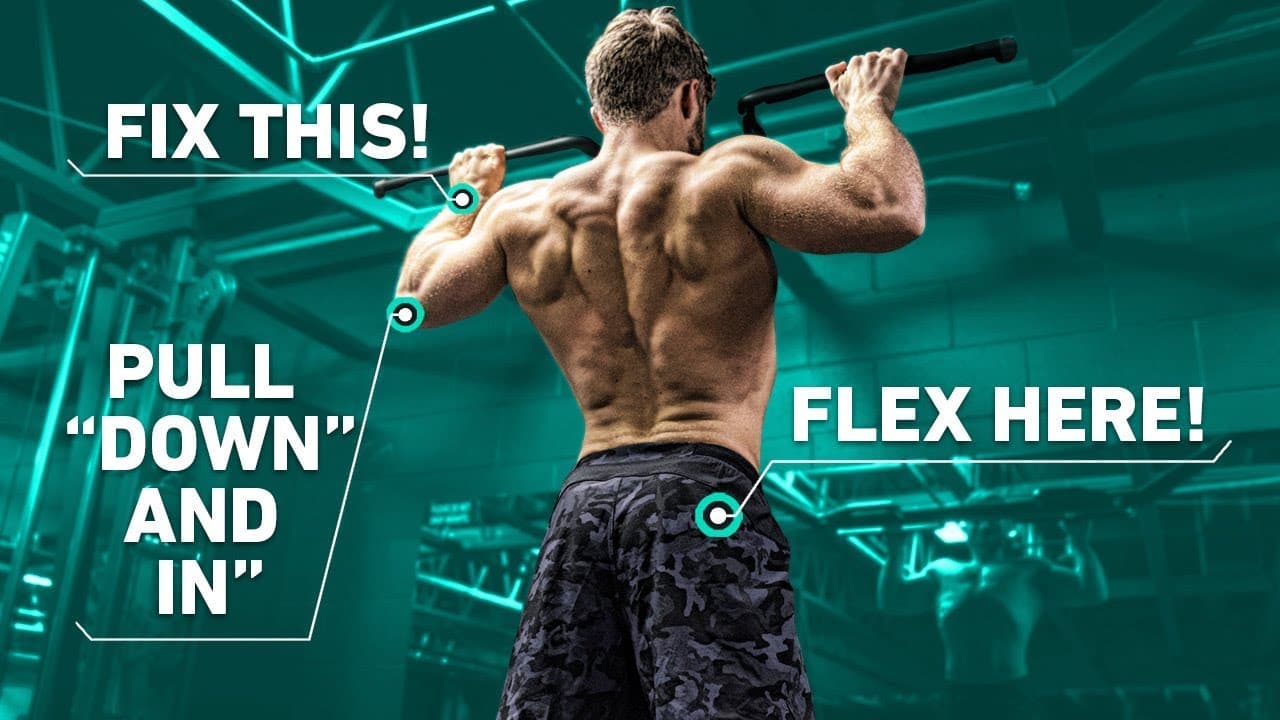
Use a pronated grip about 1.5 times shoulder width, begin each pull-up by depressing the shoulder blades, and pull the elbows down and inward until the chin clears the bar. Keep the glutes tight, hips extended, and body rigid, then lower under control through a full range of motion. Master this technique before progressively adding repetitions or external weight.
Transcript
okay welcome everyone to a new episode of technique Tuesday this week we're gonna be looking at how to use the pull-up exercise to maximize development of the back muscles so with the pull up we're gonna be primarily targeting the lats rhomboids and teres muscles through shoulder adduction basically bringing your arm down to your side the brachiali... Read More
Key Insights
- Pull-ups train more total musculature than lat pulldowns while producing no significant difference in lat activation, according to the research cited. Pull-ups showed greater involvement of the biceps and spinal erectors, making them a comprehensive pulling exercise for the back and arms.
- The primary back-building action in a pull-up is shoulder adduction, which brings the arms toward the sides and targets the lats, rhomboids, and teres muscles. The biceps, brachialis, and brachioradialis assist through elbow flexion, while the lower traps depress the shoulder blades.
- A pronated grip about 1.5 times shoulder width provides an effective balance of muscular involvement, loading potential, and range of motion. A cited comparison found similar activation across four variations, although the pronated wide grip was slightly better for the middle traps.
- A grip wider than 1.5 times shoulder width reduces range of motion, makes progressive loading harder, and often causes wrist pain. Narrow or underhand grips are not necessarily incorrect, but they may allow the biceps to dominate the movement for some trainees.
- Proper pull-up motion begins by depressing the shoulder blades and pulling the elbows toward the back pockets. The chest should rise slightly toward the bar without turning the exercise into an inverted row, and the elbows should finish as close to the sides as possible.
- Full-body rigidity prevents momentum from replacing muscular effort. Squeezing the glutes, extending the hips, and keeping the legs controlled stops kipping and swinging. The legs may remain straight or be crossed and tucked behind the body if the hips stay extended.
- Progressive overload should follow technical mastery. Trainees can begin with an assisted pull-up machine, reduce assistance until they perform five bodyweight repetitions, build to ten repetitions, and then add resistance with a weighted belt or a dumbbell secured between the legs.
- A complete repetition requires sufficient movement at both ends of the range. A slight elbow bend may remain at the bottom, but each ascent should finish with the chin above the bar and the elbows pulled toward the sides before a controlled descent.
Install to Summarize YouTube Videos and Get Transcripts
Explore YouTube Video Summarizer or Get YouTube Transcript Extractor
Questions & Answers
Q: How should you perform pull-ups to build a wider back?
Use a pronated grip about 1.5 times shoulder width and begin from a hanging position. Depress the shoulder blades, raise the chest slightly, and pull the elbows down and inward as if directing them toward the back pockets. Continue until the chin clears the bar and the elbows approach the sides. Keep the glutes squeezed and hips extended, then lower under control while allowing the lats to stretch.
Q: What muscles do pull-ups train?
Pull-ups primarily train the lats, rhomboids, and teres muscles through shoulder adduction. The brachialis, biceps, and brachioradialis contribute by bending the elbows, while the lower traps help depress the shoulder blades. The spinal erectors also participate, and the rectus abdominis creates an isometric contraction that helps prevent the spine from bending backward during the movement.
Q: What is the best grip width for pull-ups?
A useful grip is a pronated, double-overhand position about 1.5 times shoulder width. Another way to estimate it is to form a 90-degree angle between the upper arm and forearm, raise the arms overhead, and place the hands where they naturally land. Going wider reduces range of motion, complicates loading, and often causes wrist discomfort, while narrower or underhand grips may increase biceps involvement.
Q: How do beginners progress from assisted to weighted pull-ups?
Beginners who cannot complete five repetitions can use an assisted pull-up machine while learning proper technique. Assistance should gradually decrease until five bodyweight repetitions are possible. From there, the trainee can add repetitions until reaching ten clean bodyweight pull-ups. External resistance can then be introduced with a weighted belt or a dumbbell placed between the legs by a training partner.
Q: How many repetitions should you do for weighted pull-ups?
Pull-ups are recommended in a relatively heavy range of 5 to 10 repetitions because they offer strong potential for progressive overload. Bodyweight alone may bring many trainees close to failure within that range, while others may need assistance. The priority is completing every repetition with consistent technique and a full range of motion before adding repetitions or external resistance.
Q: How can you prevent swinging and kipping during pull-ups?
Create full-body rigidity by squeezing the glutes, extending the hips, and keeping the torso and legs locked in position. The legs may remain straight or be crossed and tucked behind the body, but they should not move forward or upward to generate momentum. Maintaining this tension becomes especially important as repetitions grow difficult, when uncontrolled swinging and compensatory movement are most likely to appear.
Q: Should every pull-up begin from a complete dead hang?
A complete dead hang is not mandatory because a slight bend can remain in the elbows at the bottom. However, the descent should still provide a substantial range of motion and an active stretch in the lats. At the top, every repetition should finish with the chin above the bar, the chest leading upward, and the elbows pulled inward toward the sides.
Q: Are lat pulldowns a good alternative to pull-ups?
Wide-grip lat pulldowns are a reasonable alternative, particularly for beginners, because the cited research found virtually the same level of lat activation as pull-ups. Pull the elbows down and inward, bring the bar to the upper chest, and let the lats stretch during the controlled return. Pull-ups still have an overall advantage because they involve more musculature and require substantially more core participation.
Summary & Key Takeaways
-
Pull-ups train the lats, rhomboids, teres muscles, lower traps, elbow flexors, spinal erectors, and abdominals. They provide similar lat activation to pulldowns while involving more total musculature. Their capacity for progressive loading makes them especially useful for developing strength and muscular growth throughout the back and arms.
-
The recommended setup uses a straight or slightly angled bar, a pronated grip about 1.5 times shoulder width, and a bench for reaching the bar consistently. Begin from a hanging position, depress the shoulder blades, raise the chest slightly, and pull the elbows down and inward until the chin clears the bar.
-
Effective progression begins with assistance if five bodyweight repetitions are not yet possible. Reduce assistance until five bodyweight repetitions are achievable, then build toward ten. After reaching ten technically sound repetitions, add external resistance. Every repetition should preserve body rigidity, controlled lowering, adequate depth, and consistent grip placement.
Read in Other Languages (beta)
Share This Summary 📚
Summarize YouTube Videos and Get Video Transcripts with 1-Click
Try YouTube Summary with ChatGPT & Claude or YouTube Transcript Generator
Explore More Summaries from Jeff Nippard 📚


Summarize YouTube Videos and Get Video Transcripts with 1-Click
Try YouTube Summary with ChatGPT & Claude or YouTube Transcript Generator