What Are the Types of Burnout and How to Avoid Them?
TL;DR
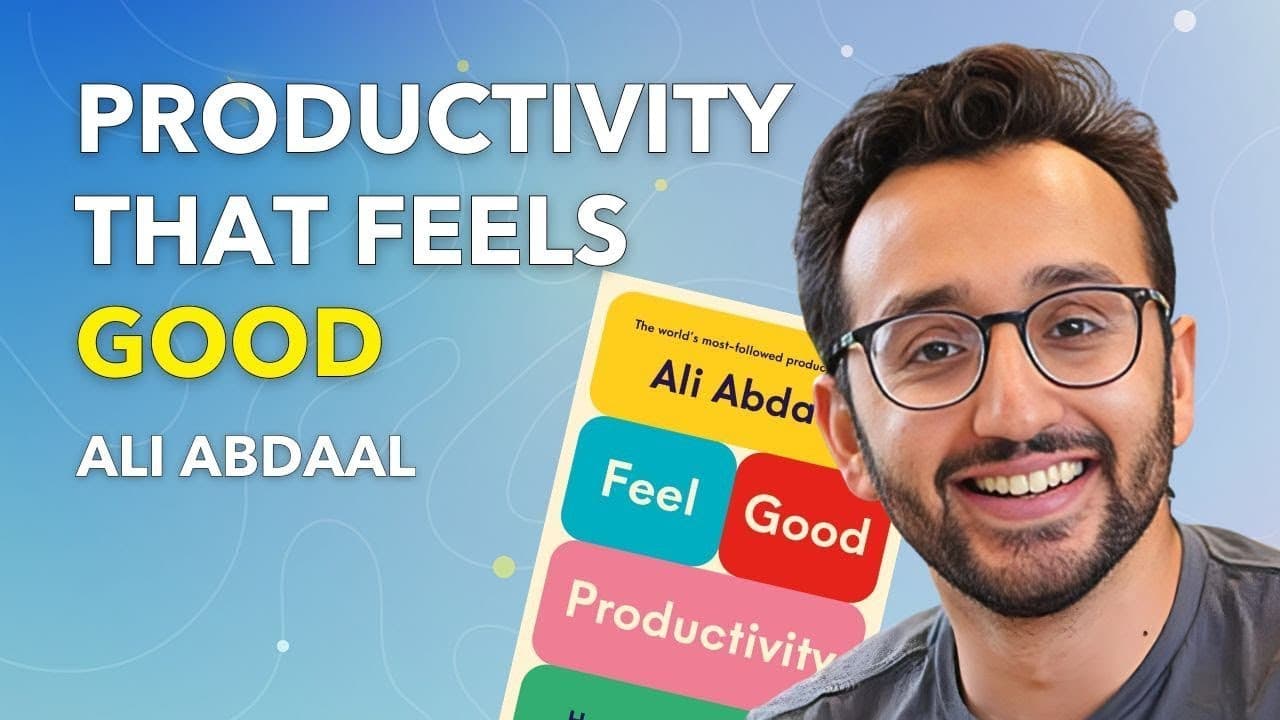
There are three types of burnout: overexertion burnout from excessive work, depletion burnout from neglecting breaks, and misalignment burnout when your work feels disconnected from your passions. To avoid burnout, it's crucial to recognize these signs early and schedule regular breaks while ensuring your activities align with your long-term goals.
Transcript
there's two questions I I really like to think about one of them is what would I do if I knew I couldn't fail but the other one is what would I do even if I knew I would fail which is really nice because that's the thing that you would do the thing anyway so I I just love collecting these sorts of journaling prompts that help us figure out what to ... Read More
Key Insights
- 🛟 Journaling prompts, such as exploring what one would do if they couldn't fail or even if they knew they would fail, can help individuals gain clarity on their passions and direction in life.
- 💨 Burnout can manifest in three ways: overexertion burnout, depletion burnout, and misalignment burnout. Recognizing the signs and taking breaks is crucial to avoid burnout.
- ☺️ The "wrof principle" encourages individuals to give themselves permission to relax and take time off, recognizing that breaks and downtime are essential for productivity and well-being.
Install to Summarize YouTube Videos and Get Transcripts
Explore YouTube Video Summarizer or Get YouTube Transcript Extractor
Questions & Answers
Q: What are some key journaling prompts that Ali Abdal recommends for self-reflection?
Ali suggests two key questions for self-reflection: "What would I do if I knew I couldn't fail?" and "What would I do even if I knew I would fail?" These prompts can help individuals identify their true passions and align their actions with their desires.
Q: How does Ali Abdal describe the three types of burnout?
Ali explains that the three types of burnout are overexertion burnout, depletion burnout, and misalignment burnout. Overexertion burnout occurs when one is working too hard, while depletion burnout is characterized by working excessively without taking breaks. Misalignment burnout, on the other hand, is when what one is doing is not aligned with their personal values and aspirations.
Q: What is the "wrof principle" that Ali Abdal mentions?
The "wrof principle" is a term coined by Ali Abdal as a playful reference to a German sociologist. It encourages individuals to give themselves permission to take breaks and have "write-off" days where they can relax and rejuvenate, without feeling guilty or obligated to be productive.
Q: How does Ali Abdal suggest making work more enjoyable and adventurous?
Ali advises framing work as an adventure and asking oneself, "What would this look like if it were fun?" Adding elements of novelty, such as working in different environments or incorporating small fun elements like background music or animations, can make work more enjoyable and energizing.
Summary & Key Takeaways
-
Ali Abdal emphasizes the value of exploring journaling prompts to help determine one's purpose and align their actions with their future goals.
-
He discusses the three types of burnout: overexertion, depletion, and misalignment, highlighting the importance of recognizing the signs and taking necessary breaks.
-
Ali mentions the "wrof principle," a term he humorously coined, which encourages individuals to take time off and give themselves permission to relax and rejuvenate.
Read in Other Languages (beta)
Share This Summary 📚
Summarize YouTube Videos and Get Video Transcripts with 1-Click
Try YouTube Summary with ChatGPT & Claude or YouTube Transcript Generator
Explore More Summaries from How I Think 📚





Summarize YouTube Videos and Get Video Transcripts with 1-Click
Try YouTube Summary with ChatGPT & Claude or YouTube Transcript Generator