How to avoid common mistakes in college life
TL;DR
Avoid common college missteps by first meeting new people in the first weeks, then prioritizing health and consistent class attendance. Keep a budget, limit overspending, and use campus resources to stay organized. The key is proactive planning and building habits that support academics and social success.
Transcript
you're going to move into college one day and once you unpack those boxes wave your parents goodbye and walk back into your room it's going to hit you you are all alone for some this might sound like the greatest thing in the world and for others it might be a bit nerve-wracking nobody's going to tell you when to wake up when to go to class when to... Read More
Key Insights
- College introduces independence and rapid social integration, and meeting many freshmen early can shape lifelong friendships and opportunities.
- Healthy lifestyle choices during freshman year are crucial to avoiding weight gain and burnout, including balanced meals, hydration, probiotics, and regular gym activity.
- The first weeks are critical for forming study habits and social circles, and trying new clubs or activities helps identify compatible friends and communities.
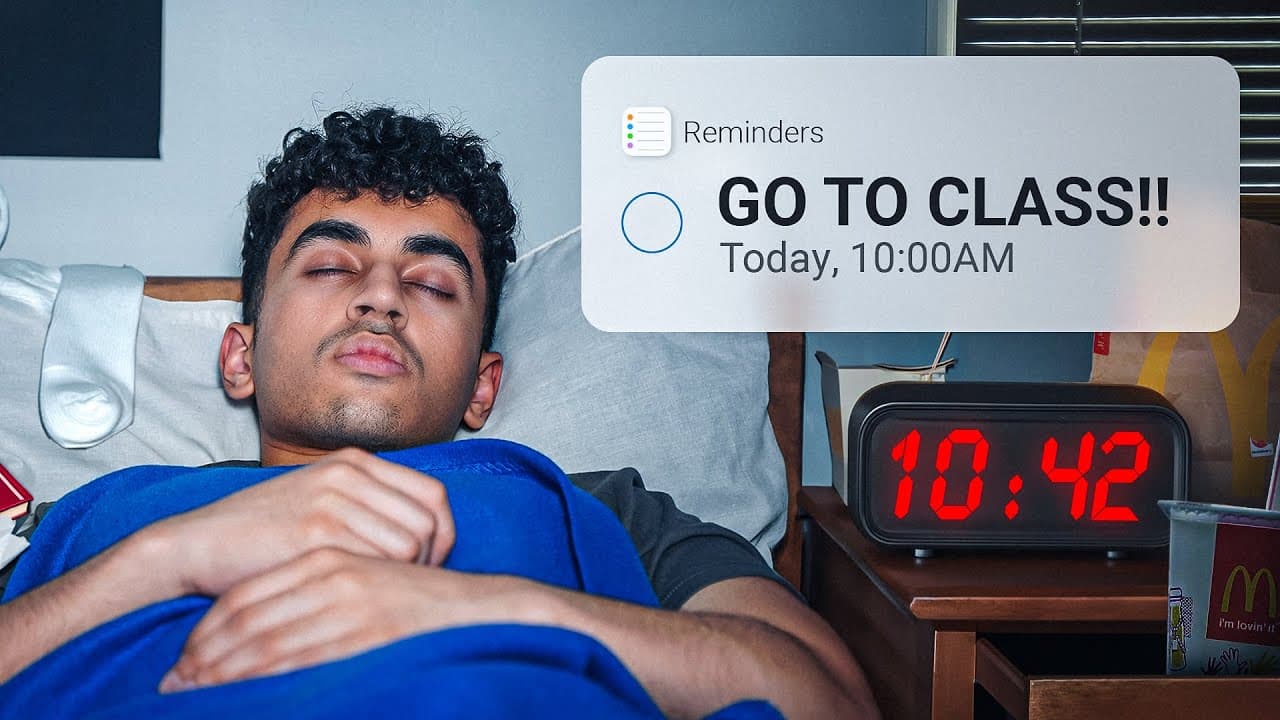
- Skipping classes is a slippery slope; attending lectures and engaging with professors improves understanding, accountability, and future references.
- Accountability partners can help maintain routine and guard against procrastination or missed classes, reinforcing the habit of showing up.
- Budgeting and mindful spending are essential in college, especially in expensive urban settings, with strategies to constrain discretionary purchases.
- Moving logistics can be simplified using services like Ship to School for dorm moves and storage, reducing stress during transitions.
- Networking and social capital in college exceed academics, as peers can become future collaborators or job references if engaged early.
Install to Summarize YouTube Videos and Get Transcripts
Explore YouTube Video Summarizer or Get YouTube Transcript Extractor
Questions & Answers
Q: How can I start college on the right track and meet people quickly?
To start on the right track, focus on putting yourself out there during the first weeks of college. Attend dorm lounges and clubs, introduce yourself to freshmen, and join groups that align with your interests. This helps you form a broad social network quickly, which can lead to new friendships, study partners, and potential future referrals. It also supports confidence as you adapt to campus life.
Q: Why is attending classes important even if lectures are recorded?
Attending classes matters because you can ask questions in real time, engage with instructors, and build relationships that can be valuable for references later. Regular attendance helps you stay on top of material, reduces the likelihood of falling behind, and creates accountability through routine, which supports long term academic success.
Q: What strategies help prevent freshman year weight gain and unhealthy patterns?
Strategies include planning balanced meals, prioritizing protein, staying hydrated, and limiting frequent ordering of takeout. Regular gym activity makes healthy habits easier to sustain, while avoiding diet extremes and ensuring adequate sleep can prevent stress eating. Establishing a routine for meals and workouts supports consistent energy levels and overall well being.
Q: How can I manage my finances effectively in college?
Create a simple budget and track expenses to prevent overspending in a high cost campus environment. Use practical limits on discretionary spending and consider low risk controls like keeping a capped debit balance. Plan ahead for meals, materials, and social activities to avoid surprise costs, while still allowing occasional fun within limits.
Q: What role does early social interaction play in long term college success?
Early social interaction forms the foundation for lasting friendships and future opportunities, including job referrals and collaboration with peers. By meeting many people in the first weeks, you identify compatible friends and study partners, establish a support network, and gain confidence that can influence your academic and career trajectory well beyond freshman year.
Q: What is a practical approach to avoid skipping classes?
Use an accountability partner or reminder system to ensure you attend lectures. Set clear goals, plan study sessions, and build a routine around class times. Attending class consistently reduces the need to catch up later and improves retention, while also enabling direct access to professors and in person help when needed.
Q: How can storage services ease the moving process for freshmen?
Storage services like Ship to School simplify moving by handling the packing, shipping, and delivery of dorm belongings to the correct room. They provide notifications and proofs of delivery, saving you from heavy lifting and multiple trips. The service also supports move out and storage during breaks, making transitions smoother and less stressful.
Q: What should I do if I feel overwhelmed by college life?
If overwhelmed, seek structure through routines and campus resources, such as clubs, study groups, or counseling, and consider an accountability network to keep you on track. Prioritize sleep, nutrition, and gym time to maintain mental health, and break tasks into smaller steps to reduce anxiety. Reach out to mentors or peers for guidance and support.
Summary & Key Takeaways
-
A student moves into college and learns that independence comes with responsibility, especially in social interactions, health, and time management. Building a supportive network early helps with future referrals and friendships while avoiding loneliness. The video emphasizes the importance of engaging with others and not isolating yourself.
-
Health and routine are central themes, including balanced eating, exercise, and hydration to prevent unhealthy shifts like the Freshman 15. It advises using gym routines, increasing protein intake, and choosing stable meals over impulsive ordering, alongside the role of consistent sleep and stress management.
-
Active planning and accountability are recommended to prevent skipping classes and overspending. The advice covers attending lectures, finding an accountability partner, and creating a realistic budget, with practical tips like using campus dining and mindful spending and leveraging resources to stay on track.
Read in Other Languages (beta)
Share This Summary 📚
Summarize YouTube Videos and Get Video Transcripts with 1-Click
Try YouTube Summary with ChatGPT & Claude or YouTube Transcript Generator
Explore More Summaries from Gohar Khan 📚






Summarize YouTube Videos and Get Video Transcripts with 1-Click
Try YouTube Summary with ChatGPT & Claude or YouTube Transcript Generator