How to Improve Your Grades Before Semester Ends
TL;DR
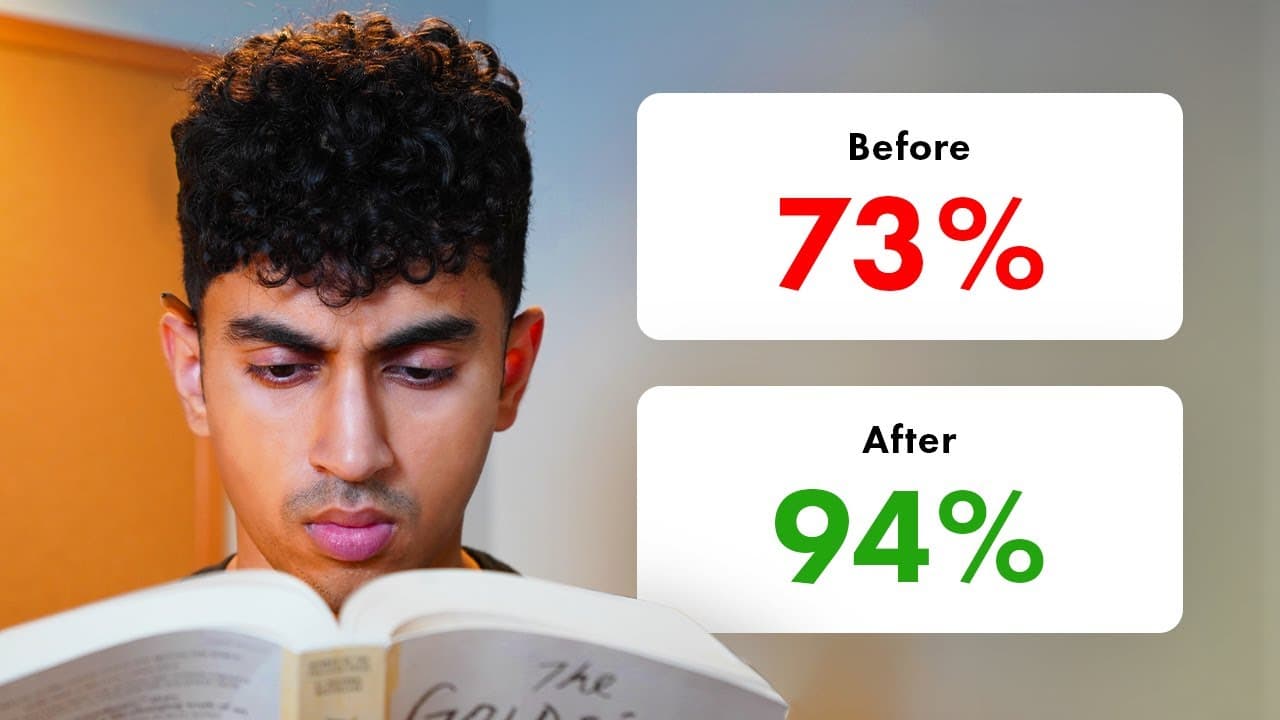
Identify whether poor grades come from being overwhelmed, struggling with material, getting distracted, or giving insufficient effort, then choose a targeted response. Reduce unnecessary commitments, request accommodations early, use tutoring and study partners, restrict phone access, simplify your study space, and replace passive review with practice questions, self-explanation, and rewriting concepts in your own words.
Transcript
thanks to Surf shark for sponsoring this video you rush to the mailbox right after school and there it is your report card you bring it home tear it open and realize your grades aren't where you want them to be but you know you have it in you you know you could do better you know you could get straight A if you just lock in for the rest of the seme... Read More
Key Insights
- Academic improvement begins with identifying the actual obstacle. The four presented causes are being overwhelmed, struggling to understand content, becoming distracted, and giving insufficient effort. A student may experience one cause or several, and an honest diagnosis determines which practical response is appropriate.
- Being overwhelmed means excessive courses, extracurriculars, tests, or other commitments prevent sufficient academic attention. Reducing the workload can create time for studying and life outside school, as shown by replacing AP European History with a study hall during a demanding junior year.
- Early communication can make an unchangeable workload more manageable. Students should request assignment accommodations several days before a deadline and notify club leaders in advance about scheduling conflicts. The central mistake is either remaining silent or waiting until it is too late to ask.
- Struggling with content is compatible with working hard. Students who cannot make information stick should let go of the expectation that learning must always feel easy, accept difficulty as part of the process, and use every available source of explanation and guided practice.
- Office hours and tutoring centers provide more than homework answers. They can supply step-by-step explanations and strengthen understanding of fundamentals. High school students without these resources can use study partners and AI for simple explanations, practice-question generation, and study schedules.
- Study partners are most useful when employed selectively. Meeting before a major exam to address a difficult concept or unit allows students to solve problems together and explain ideas to one another, a strategy identified in the transcript as the Feynman technique.
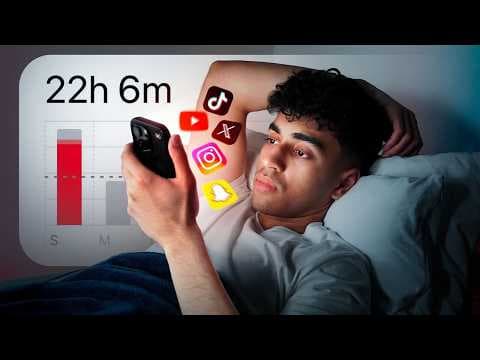
- Phone distraction requires stronger barriers as the problem becomes more severe. Options progress from silencing notifications and placing the phone face down, to setting limits and moving it to another room, to asking a family member or roommate to hold it during work.
- Active studying assesses and develops knowledge through practice questions, teaching concepts, and rewriting key ideas or diagrams in original words. Passive activities such as rereading, rewatching lectures, and highlighting can feel productive, but the transcript describes them as much less effective.
Install to Summarize YouTube Videos and Get Transcripts
Explore YouTube Video Summarizer or Get YouTube Transcript Extractor
Questions & Answers
Q: How can I improve my grades before the semester ends?
Start by honestly determining whether you are overwhelmed, struggling with the material, distracted, or giving the work insufficient effort. Then match the solution to the cause. Reduce optional commitments, ask teachers for accommodations early, use office hours or study partners, remove your phone while working, and prioritize active methods such as practice questions and self-explanation.
Q: What should I do if too many commitments are hurting my grades?
Review your courses, electives, clubs, and other responsibilities, then identify commitments that can be dropped without sacrificing what matters most. The transcript gives the example of dropping AP European History for a study hall. If changing commitments is no longer possible, contact teachers or club leaders several days or weeks ahead to request flexibility.
Q: When should I ask a teacher for an assignment extension?
Ask several days before the assignment is due, not the day before the deadline. Explain that you have too much on your plate and cannot complete the work on time. The advice emphasizes planning ahead and making special requests early because teachers are more likely to accommodate a clear, advance request than a last-minute appeal.
Q: How can I study when I work hard but still do not understand?
Accept that struggle is a normal part of learning and use every resource available. College students can attend office hours or visit tutoring centers for step-by-step explanations and help with fundamentals. Other options include studying with a partner, asking AI to explain a concept simply, generating practice questions, and creating a study schedule.
Q: How should I use a study partner effectively?
Use a study partner selectively when a concept or unit remains unclear, especially before a major exam. Work through the difficult material together and take turns explaining it to each other. The transcript connects this approach with the Feynman technique. Constant collaboration is not required, because the recommendation is to meet when focused support would be useful.
Q: How can I stop checking my phone while studying?
Choose a barrier that matches the severity of your distraction. If the problem is occasional, silence notifications and place the phone face down. If resisting is harder, set time limits and leave it in another room. If self-control is not enough, ask a family member or roommate to keep it while you work. Grayscale mode may also help.
Q: How can I create a less distracting study environment?
Declutter both your physical space and your mind. Remove garbage and unnecessary objects from the study area, and keep the setup relatively minimal. Ambient sounds may also support concentration. The transcript mentions white, pink, and brown noise, with the presenter personally preferring brown noise because pink and white noise seemed somewhat harsh.
Q: What is the difference between active and passive studying?
Passive studying includes rereading textbooks, rewatching lectures, and highlighting notes. Active studying requires engaging with the content and checking your knowledge through practice questions, pretending to teach someone, or rewriting important concepts and diagrams in your own words. Passive review can feel as productive as active work, but the transcript says it is much less effective.
Summary & Key Takeaways
-
Improving grades starts with an honest diagnosis. Students may be overwhelmed by excessive commitments, unable to understand the material despite working, distracted by phones and entertainment, or unwilling to give assignments and studying sufficient effort. Each cause requires a different response, so generic motivation alone is unlikely to address every academic problem.
-
Overwhelmed students should consider dropping unnecessary courses, electives, or clubs and protecting time for their most important priorities. When commitments cannot be changed, they should contact teachers or club leaders several days or weeks ahead. Early requests for extensions, accommodations, or scheduling flexibility are more likely to help than last-minute requests.
-
Students who cannot grasp material should accept struggle as part of learning and use available resources, including office hours, tutoring centers, study partners, and AI-generated explanations or practice questions. Distracted students should increase barriers to phone use. Unmotivated students should replace passive rereading, highlighting, and lecture rewatching with active practice and self-explanation.
Read in Other Languages (beta)
Share This Summary 📚
Summarize YouTube Videos and Get Video Transcripts with 1-Click
Try YouTube Summary with ChatGPT & Claude or YouTube Transcript Generator
Explore More Summaries from Gohar Khan 📚


Summarize YouTube Videos and Get Video Transcripts with 1-Click
Try YouTube Summary with ChatGPT & Claude or YouTube Transcript Generator