How to Grow a Business Without Venture Capital

TL;DR
Succeeding in business without venture capital involves strategic self-funding, understanding customer needs, and building a strong company culture. Entrepreneurs share their journeys of organic growth, emphasizing the importance of discipline, reinvestment, and aligning values with employees.
Transcript
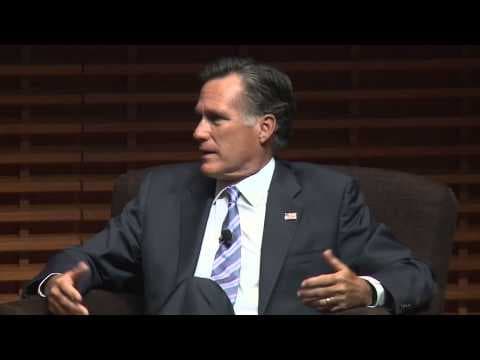
[MUSIC] I am really excited about this panel here in Silicon Valley. And I will admit even here at Stanford, we can get awfully fixated on the idea that you have to grow a company by taking capital from a venture capital company. But of course, very few companies actually take VC money. It's less than 0.1% of all companies in the United States that... Read More
Key Insights
- 👨💼 Building a successful company without VC funding requires discipline, consistency, and reinvestment of profits into the business.
- 🉐 Deep customer insights and understanding cultural nuances can provide a competitive advantage in crowded markets.
- ❓ People are attracted to companies that offer purpose, personal growth, and a sense of belonging.
- ☄️ Recognition and validation can come from customer satisfaction, revenue generation, and partnerships with reputable organizations.
Install to Summarize YouTube Videos and Get Transcripts
Explore YouTube Video Summarizer or Get YouTube Transcript Extractor
Questions & Answers
Q: How did you manage to attract great talent without the validation of raising VC money?
Attractive elements included offering equity or performance-based compensation, providing a sense of purpose and mission, and emphasizing alignment of values. By offering opportunities for personal growth and showing a commitment to employee well-being, companies can attract top talent.
Q: How did you validate your companies without VC funding?
Validation came through customer satisfaction and revenue generation. Building a strong customer base, getting recognition through awards and local councils, and showcasing partnerships with reputable companies can help validate a company's success.
Q: How did diversity play a role in your companies?
Each entrepreneur emphasized the importance of embracing diversity and building inclusive cultures. By focusing on hiring based on values and performance, offering equal opportunities to people from diverse backgrounds, and creating a culture of welcome, their companies have thrived with diverse teams.
Summary & Key Takeaways
-
Arjun Nair, CEO of Great Learning, and his co-founders started the company to provide high-quality education in India, focusing on data science and AI. They initially operated in a physical center, gradually expanding to different cities and eventually offering online courses.
-
Jevon McCormick, CEO of Scribe Media, joined the company to help authors write, market, and publish their books. Their unique approach allows authors to speak their stories and have them structured and edited, challenging the traditional writing process.
-
Nina Vaca, CEO of Pinnacle Group, started her company as a one-woman IT consulting firm. She built the business through discipline, reinvesting profits, and developing a strong company culture. Pinnacle Group is now the largest Latina-owned workforce solutions company in the US.
Read in Other Languages (beta)
Share This Summary 📚
Summarize YouTube Videos and Get Video Transcripts with 1-Click
Try YouTube Summary with ChatGPT & Claude or YouTube Transcript Generator
Explore More Summaries from Stanford Graduate School of Business 📚





Summarize YouTube Videos and Get Video Transcripts with 1-Click
Try YouTube Summary with ChatGPT & Claude or YouTube Transcript Generator