What Can You See During a Virtual Star Party?
TL;DR
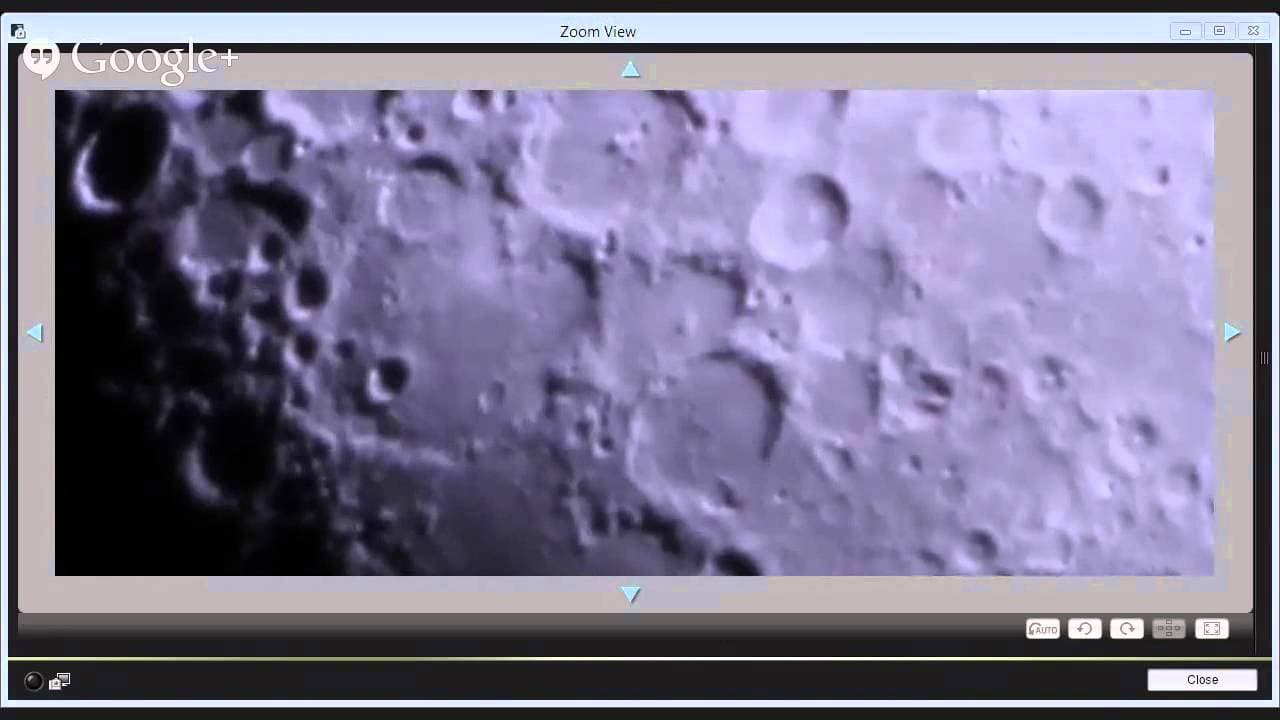
A virtual star party allows enthusiasts to view the moon and engage in discussions about astronomy in real-time. Participants use telescopes to share live views of celestial objects, including nebulas and galaxies, while contributing astrophotography, enhancing community engagement and collaboration in astronomy.
Transcript
okay there we are here now we're luck I would even said anything up tonight so my internet hello internet right so let me just hey everyone my name is Fraser Cain publisher of Universe Today you know the drill this is a virtual star party with a couple bunch of telescopes except we only have one telescope and that's James McGee's beautiful view of ... Read More
Key Insights
- 🤩 Virtual star parties facilitate community engagement and amateur astronomy collaboration.
- 🎥 Amateurs leverage advanced technology, like CCD cameras, to capture intricate celestial images.
- 📽️ Citizen science projects empower individuals to contribute valuable scientific data and insights.
- 🫵 Telescope accessibility and online platforms enable astronomers to share live views of the cosmos.
- 💖 Astrophotography showcases the beauty and diversity of celestial objects, sparking interest in astronomy.
- 👨🔬 Collaborative efforts between amateur and professional astronomers drive astronomical discoveries and research advancements.
- 🔬 Carl Sagan's influence continues to inspire astronomers and science enthusiasts to explore the universe.
Install to Summarize YouTube Videos and Get Transcripts
Explore YouTube Video Summarizer or Get YouTube Transcript Extractor
Questions & Answers
Q: What inspired James and Russell to pursue astronomy?
James was introduced to astronomy through an astronomy club in Alabama, influenced by Carl Sagan's work. Russell credits his eighth-grade science teacher, captivating him with a nature preserve visit.
Q: How do astronomers contribute to citizen science and amateur collaboration?
Amateur astronomers engage in citizen science projects, like tracking comets, contributing valuable data to professional astronomers. Such collaborations enhance scientific knowledge and discovery.
Q: What technological advancements have revolutionized astrophotography?
CCD and CMOS cameras have transformed astrophotography, providing instant results with enhanced image quality and clarity over traditional film photography. These advancements enable amateurs to capture stunning celestial images.
Q: What is the significance of capturing celestial images, like the Horsehead Nebula?
By photographing astronomical targets, amateurs reveal the beauty and complexity of celestial objects, fostering scientific exploration and inspiring others to appreciate the cosmos.
Summary & Key Takeaways
-
Virtual star party showcases live moon views and astronomy enthusiasts' discussions.
-
Telescopes offer detailed views of the moon, nebulas, and galaxies, fostering community interaction.
-
Amateurs contribute stunning astrophotography images, sparking astronomical conversations.
Read in Other Languages (beta)
Share This Summary 📚
Summarize YouTube Videos and Get Video Transcripts with 1-Click
Try YouTube Summary with ChatGPT & Claude or YouTube Transcript Generator
Explore More Summaries from Fraser Cain 📚




Summarize YouTube Videos and Get Video Transcripts with 1-Click
Try YouTube Summary with ChatGPT & Claude or YouTube Transcript Generator