What Is the CTMU and Stratified Identity?
TL;DR
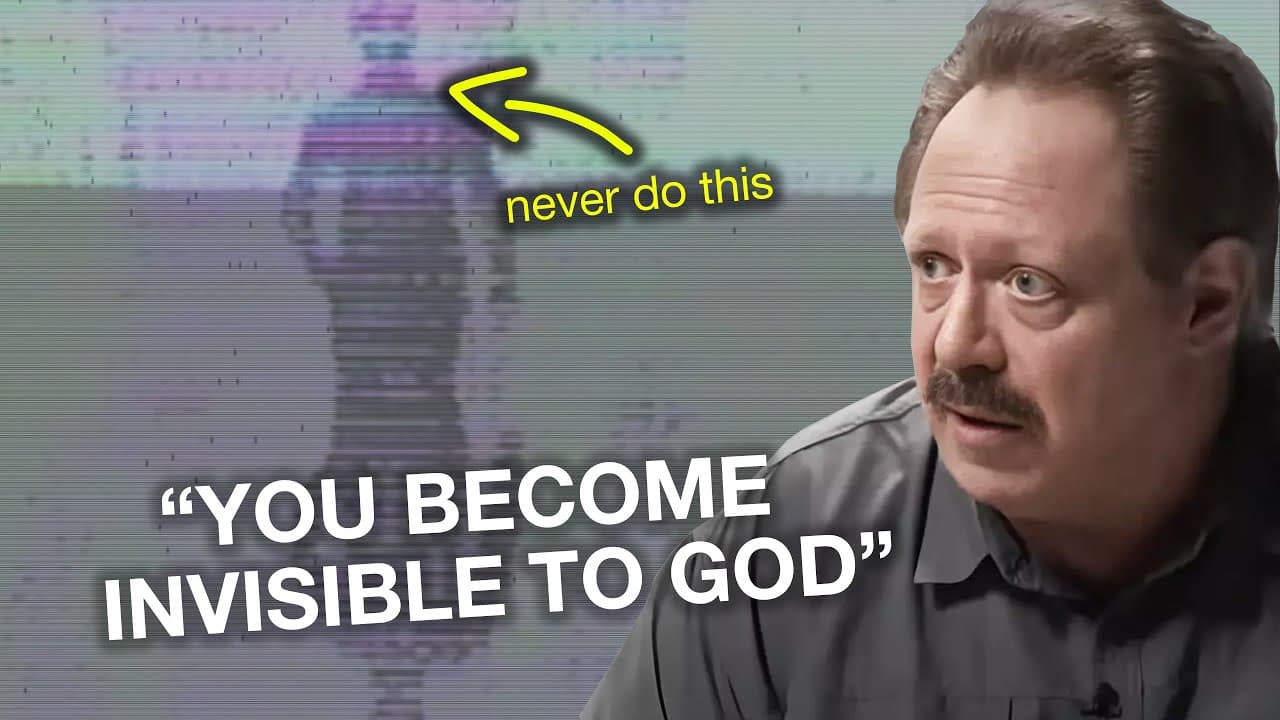
The CTMU frames reality as a self-processing language, where identity is layered from physical to spiritual. God appears as the highest level of identity, and severing that connection collapses meaning and coherence, not forever punishment but a logical outcome. Understanding this structure explains why imperfection and denial disrupt the self and reality.
Transcript
If people understand this and they understand this stratified identity and they understand what God is, namely their own highest level of identity, they won't punish themselves. Basically, you're cutting your line of communication with God. Then God can no longer see you, no longer wants to see you and can no longer accept you into himself because ... Read More
Key Insights
- CTMU posits reality as a self-processing, self-referential system.
- Identity in CTMU is hierarchical, from physical to spiritual.
- God is defined as the highest level of identity in CTMU.
- Severing the highest identity line causes loss of coherence and self-alignment.
- The soul is the aggregate of layered identities.
- Good and evil are intrinsic logical realities within existence.
- Reality is governed by an underlying logical structure, not randomness.
- Perfection entails excluding imperfection to preserve identity coherence.
- More videos from this channel:
- More from this channel: Be Inspired
Install to Summarize YouTube Videos and Get Transcripts
Explore YouTube Video Summarizer or Get YouTube Transcript Extractor
Questions & Answers
Q: A real search query question about the video (e.g. 'How to...', 'What is...', 'Why does...', 'When should...'). Question 1
What is the CTMU and how does it redefine reality as a self-processing language? The CTMU describes reality as a living logical framework that describes and contains itself, not just a set of external objects. Identity is layered from physical to mental to spiritual, culminating in a highest level that ties all conscious beings to God. This model argues that the universe preserves coherence by treating logic as the governing structure, making consciousness and identity inseparable from the fabric of existence.
Q: Question 2
What does CTMU say about God and the highest level of identity? In this framework, God is the ultimate level of identity that unites all layers of reality. He is not a distant ruler but the source of meaning and coherence. Denying or severing the connection to this highest level leads to the loss of communication with the self and with God, resulting in a collapse of sense and direction.
Q: Question 3
How does severing the highest identity affect an individual according to the CTMU? Severing the highest identity line disrupts the self, erodes coherence, and creates a self-imposed exile where the highest reality can no longer see or accept you. This is framed not as punishment but as a logical consequence of disconnecting from the fundamental structure that holds reality together.
Q: Question 4
What is meant by the soul in the CTMU, and how is it related to stratified identity? The soul is described as the sum of the layered identities, physical, mental, and spiritual. The spiritual level anchors the other layers, and when it remains connected, the person experiences unity and meaning. Loss of this anchor leads to fragmentation and a sense of isolation from both God and the deepest part of the self.
Q: Question 5
How does the CTMU describe reality’s organization and the role of logic? The CTMU posits reality as a self-configuring, self-processing language where logic governs existence. Everything from matter to consciousness participates in this universal language, which explains coherence and avoidable chaos. The implication is that understanding the structure is key to understanding both the universe and ourselves.
Q: Question 6
What is the CTMU view on good and evil? Good and evil are described as logical realities embedded in existence. Good aligns with the logical order of reality, while evil represents the willful denial of that order. The framework argues that God cannot tolerate fundamental denial because it would undermine the logical integrity of the system.
Q: Question 7
How is identity connected to God in CTMU? Identity is a layered construct that culminates in the spiritual level, which connects us to God, the universal self. This connection creates coherence and meaning, and maintaining it is essential for existence itself. Denial of this connection disrupts the unity of the self and reality.
Q: Question 8
Does the CTMU address imperfection and human experience? Yes, it acknowledges imperfection as a part of life but stresses that fundamental denial of reality or rejection of the highest identity disrupts coherence. Imperfections can be tolerated when they do not threaten the logical structure that sustains existence and identity.
Summary & Key Takeaways
-
The CTMU presents reality as a self-processing, self-referential system where language and logic define existence. Identity spans physical, mental, and spiritual levels, with God as the ultimate level that unites all layers. Denying or severing this connection leads to a loss of coherence and meaning.
-
God is redefined as the highest level of identity, the universal reference point that cannot tolerate fundamental denial. Reality is structured by logical rules that preserve coherence, so evil is the willful rejection of this order.
-
The model suggests the soul is the sum of layered identities, and keeping the highest level connected safeguards purpose and unity. Imperfections are tolerated only up to the point of not compromising the overarching logical structure.
Read in Other Languages (beta)
Share This Summary 📚
Summarize YouTube Videos and Get Video Transcripts with 1-Click
Try YouTube Summary with ChatGPT & Claude or YouTube Transcript Generator
Explore More Summaries from Be Inspired 📚





Summarize YouTube Videos and Get Video Transcripts with 1-Click
Try YouTube Summary with ChatGPT & Claude or YouTube Transcript Generator